Streamlining Project Management: The Role of GPS Tracking for Contractors
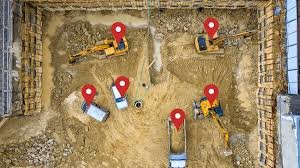
In today’s fast-paced construction and contracting industry, efficiency, accountability, and transparency are more crucial than ever. Contractors face numerous challenges, from keeping track of equipment and personnel to managing multiple job sites simultaneously. One technology that has emerged as a game-changer is GPS tracking for contractors. By providing real-time location data, enhanced visibility, and actionable insights, GPS tracking is transforming project management in ways that streamline operations and improve overall productivity.
The Growing Need for Efficiency in Contracting Projects
Contractors often juggle multiple projects with varying deadlines, resources, and workforce requirements. Traditional methods of project management, which rely on manual updates, spreadsheets, and phone calls, can lead to miscommunication, delays, and cost overruns. GPS tracking for contractors addresses these issues by offering an automated, real-time solution to monitor workforce movements, equipment usage, and project timelines. This level of oversight ensures that resources are utilized optimally, and decisions are made based on accurate, current data.
Enhancing Workforce Management with GPS Tracking
Managing a workforce spread across multiple locations can be challenging. GPS tracking for contractors allows project managers to monitor employee locations, working hours, and route efficiency. This technology provides insight into whether employees are spending time effectively on-site or facing delays due to traffic, site issues, or other obstacles. By having access to real-time data, contractors can reallocate staff, adjust schedules, and make informed decisions that prevent delays and reduce labor costs.
Moreover, GPS tracking fosters accountability among employees. When workers know that their movements and time on the job site are being monitored, it encourages punctuality and productivity. Contractors can also use the data to evaluate performance, identify training needs, and reward high-performing employees, creating a culture of efficiency and responsibility.
Optimizing Equipment Utilization
Construction equipment represents a significant investment for contractors. Underutilized machinery can lead to wasted resources, while improper use or unauthorized movement can result in costly repairs and theft. GPS tracking for contractors allows project managers to monitor the location and usage of equipment in real time. By understanding how and where machinery is being used, contractors can schedule maintenance proactively, prevent equipment downtime, and ensure that machines are deployed effectively across different job sites.
Additionally, GPS tracking reduces the risk of theft or unauthorized usage. If a piece of equipment leaves its designated location, alerts can be triggered immediately, allowing for prompt action. This level of protection not only saves money but also ensures that projects continue without interruptions caused by missing or malfunctioning equipment.
Improving Project Planning and Scheduling
Accurate project planning and scheduling are critical for meeting deadlines and staying within budget. GPS tracking for contractors provides detailed data on workforce and equipment movements, allowing managers to analyze patterns, identify bottlenecks, and optimize workflows. For instance, if GPS data shows that certain routes to job sites consistently cause delays, contractors can adjust schedules or recommend alternative paths to maintain productivity.
Moreover, historical GPS data can inform future project planning. By analyzing past projects, contractors can predict resource needs, estimate completion times more accurately, and create schedules that minimize downtime. This predictive capability improves efficiency and strengthens client trust, as projects are more likely to be completed on time and within budget.
Enhancing Communication and Coordination
Effective communication is essential for any project’s success. GPS tracking for contractors facilitates seamless communication between field teams and project managers. Real-time location data allows managers to provide timely instructions, redirect resources as needed, and coordinate multiple teams efficiently. This reduces the need for constant phone calls or in-person check-ins, freeing up time for more strategic decision-making.
Furthermore, GPS tracking can be integrated with project management software, allowing all stakeholders, including subcontractors, suppliers, and clients, to stay informed about project progress. Transparent communication and data sharing enhance collaboration and minimize misunderstandings that can lead to delays or cost overruns.
Reducing Costs and Improving Profitability
One of the most compelling benefits of GPS tracking for contractors is its impact on the bottom line. By optimizing workforce management, equipment utilization, and project scheduling, contractors can significantly reduce operational costs. Less time wasted on inefficient routes, reduced equipment downtime, and improved workforce productivity all contribute to lower expenses and higher profitability.
Additionally, GPS tracking helps prevent costly errors, such as duplicate work, missed deadlines, or misplaced equipment. The ability to track and analyze data in real time ensures that projects stay on course, mitigating risks that can erode profit margins. Contractors who adopt GPS tracking gain a competitive edge by delivering projects more efficiently and reliably, enhancing their reputation and client satisfaction.
Compliance, Safety, and Risk Management
Safety and regulatory compliance are paramount in contracting and construction projects. GPS tracking for contractors can enhance safety by monitoring employee locations, ensuring that workers are in designated safe zones, and alerting managers to potential hazards. In case of emergencies, GPS data provides precise information about the location of personnel and equipment, facilitating rapid response and minimizing risks.
Additionally, GPS tracking helps contractors maintain compliance with labor laws, transportation regulations, and safety standards. Accurate tracking of working hours, routes, and equipment usage ensures that contractors can demonstrate adherence to legal and industry requirements, reducing liability and protecting the business from penalties.
The Future of Project Management with GPS Technology
As technology continues to advance, GPS tracking for contractors is becoming increasingly sophisticated. Integration with Internet of Things (IoT) devices, artificial intelligence, and machine learning enables predictive analytics, automated reporting, and smart decision-making. Contractors can anticipate potential issues before they arise, optimize operations continuously, and adapt to changing project conditions with unprecedented agility.
Moreover, mobile apps and cloud-based platforms make GPS tracking accessible from anywhere, allowing contractors to manage projects remotely and in real time. This level of connectivity is particularly valuable for large-scale projects with multiple sites or remote locations, ensuring that every aspect of the project is monitored and controlled efficiently.
Conclusion
In the competitive world of contracting and construction, efficiency, accountability, and strategic decision-making are key to success. GPS tracking for contractors offers a powerful solution to streamline project management by enhancing workforce management, optimizing equipment use, improving project scheduling, and ensuring safety and compliance. By leveraging this technology, contractors can reduce costs, increase productivity, and deliver projects on time and within budget. As GPS tracking systems continue to evolve, they will play an increasingly central role in shaping the future of project management, empowering contractors to work smarter, not harder, and achieve sustainable growth in a demanding industry.