GLP-1 Peptides: How They Regulate Appetite, Glucose, and Metabolic Function
Understanding GLP-1 Peptides and Their Biological Role
GLP-1 peptides, short for glucagon-like peptide-1 compounds, are naturally occurring incretin hormones that play a major role in regulating metabolism. They are released in the gut after food intake and act as key signaling molecules between the digestive system, pancreas, brain, and liver. The primary function of GLP-1 peptides is to help the body maintain stable blood sugar levels while also influencing appetite and energy balance.
When we talk about GLP-1 peptides, we are referring to a class of bioactive molecules that interact with GLP-1 receptors found in multiple tissues. These receptors are especially concentrated in the pancreas and brain, which explains why GLP-1 peptides have such a powerful effect on both glucose control and hunger regulation.
How GLP-1 Peptides Regulate Appetite
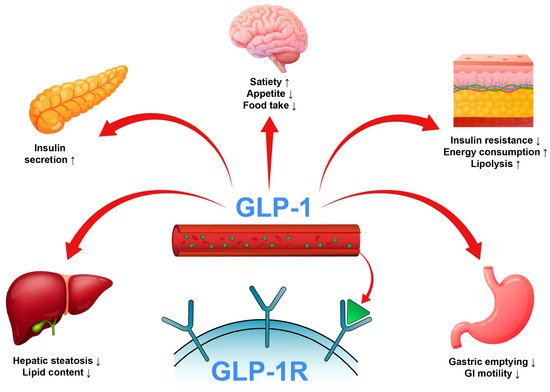
One of the most well-known effects of GLP-1 peptides is appetite suppression. After eating, GLP-1 peptides are released from intestinal L-cells and travel through the bloodstream to the brain, particularly the hypothalamus, which controls hunger and satiety signals.
Once GLP-1 peptides bind to receptors in the brain, they enhance the feeling of fullness and reduce the desire to continue eating. This leads to a natural decrease in calorie intake without forcing restriction. Unlike simple appetite suppressants, GLP-1 peptides work through biological feedback systems, making their effect more sustainable and balanced.
GLP-1 peptides also slow gastric emptying, meaning food stays in the stomach longer. This extended digestion process helps individuals feel satisfied for a longer period after meals, reducing snacking and overeating. This dual mechanism—brain signaling and digestive slowing—makes GLP-1 peptides highly effective in appetite regulation.
GLP-1 Peptides and Blood Glucose Control
Another critical role of GLP-1 peptides is their ability to regulate blood sugar levels. They achieve this by stimulating insulin secretion from pancreatic beta cells in response to elevated glucose levels. Importantly, GLP-1 peptides only enhance insulin release when glucose is present, which reduces the risk of hypoglycemia.
At the same time, GLP-1 peptides suppress the release of glucagon, a hormone that increases blood sugar by signaling the liver to release stored glucose. By balancing insulin and glucagon, GLP-1 peptides help maintain stable blood glucose levels throughout the day.
This glucose-dependent mechanism makes GLP-1 peptides particularly important in metabolic health. Instead of forcing insulin production continuously, they act only when needed, ensuring a safer and more efficient regulation of energy metabolism.
Impact of GLP-1 Peptides on Metabolic Function
Metabolic function refers to how efficiently the body converts food into energy and manages fat storage. GLP-1 peptides play a key role in improving metabolic efficiency by influencing multiple systems at once.
First, GLP-1 peptides enhance insulin sensitivity, which allows cells to absorb glucose more effectively. This reduces excess sugar in the bloodstream and minimizes fat storage caused by high insulin resistance.
Second, GLP-1 peptides contribute to improved lipid metabolism. They help regulate fat breakdown and reduce the accumulation of triglycerides in the liver. This can support healthier body composition and reduce the risk of metabolic disorders.
Third, GLP-1 peptides influence energy expenditure indirectly by stabilizing appetite and reducing overeating. When calorie intake is more controlled, the body is less likely to store excess energy as fat, leading to improved weight management over time.
The Brain-Gut Connection and GLP-1 Peptides
GLP-1 peptides are a key part of the gut-brain axis, a communication network that connects digestive health with neurological responses. When nutrients enter the digestive system, GLP-1 peptides are released and send signals to the brain to regulate hunger, satiety, and reward-based eating behaviors.
This connection explains why GLP-1 peptides can influence not only physical hunger but also cravings and emotional eating patterns. By acting on dopamine-related pathways in the brain, GLP-1 peptides may reduce the desire for high-calorie, highly palatable foods.
This neurological effect is one reason GLP-1 peptides are widely studied in obesity and metabolic research. They do not simply reduce appetite; they reshape how the brain responds to food-related cues.
GLP-1 Peptides and Weight Management
Because of their combined effects on appetite, glucose regulation, and metabolism, GLP-1 peptides have become an important focus in weight management strategies. By reducing hunger and improving satiety, they naturally lead to lower calorie consumption without extreme dieting.
In addition, GLP-1 peptides help stabilize blood sugar fluctuations that often trigger cravings for sugary or high-carbohydrate foods. This stabilization reduces binge eating tendencies and supports more consistent dietary habits.
Over time, the metabolic improvements associated with GLP-1 peptides can contribute to gradual and sustainable weight loss. Unlike short-term interventions, their effects are tied to underlying biological processes, making them more stable when supported by healthy lifestyle habits.
GLP-1 Peptides in Modern Metabolic Research
Scientific interest in GLP-1 peptides has grown significantly due to their broad metabolic effects. Researchers are exploring how these peptides can be used to address conditions such as obesity, type 2 diabetes, and insulin resistance.
One of the reasons GLP-1 peptides are so important in research is their multi-targeted approach. Instead of focusing on a single metabolic pathway, they simultaneously influence appetite regulation, insulin secretion, glucagon suppression, and gastric emptying.
This integrated mechanism makes GLP-1 peptides a powerful model for understanding how hormonal systems coordinate metabolic health. It also highlights the importance of gut-derived hormones in regulating whole-body energy balance.
The Future Potential of GLP-1 Peptides
As research continues, GLP-1 peptides may play an even larger role in personalized metabolic therapies. Scientists are investigating ways to extend their activity, improve receptor targeting, and enhance their stability within the body.
Future developments may focus on optimizing how GLP-1 peptides interact with different tissues, potentially improving their effectiveness in appetite control and glucose regulation. There is also growing interest in how they may interact with other metabolic hormones to create synergistic effects.
The ongoing study of GLP-1 peptides represents a major step forward in understanding how the body naturally regulates energy balance and metabolic function.
Conclusion
GLP-1 peptides are essential biological regulators that influence appetite, glucose control, and overall metabolic health. Through their action on the brain, pancreas, and digestive system, they help maintain energy balance in a highly coordinated way.
By reducing hunger, enhancing insulin response, and supporting stable blood sugar levels, GLP-1 peptides play a central role in metabolic efficiency and weight regulation. Their importance in modern research continues to grow as scientists uncover new insights into their wide-ranging effects.
Understanding GLP-1 peptides provides valuable insight into how the body naturally manages metabolism and why these hormones are becoming a major focus in metabolic science.