Flooded Basement Cleanup: How to Safely Restore Your Space

A flooded basement can be a stressful and damaging experience for any homeowner. Water intrusion can lead to structural damage, mold growth, and loss of personal belongings. Performing a proper flooded basement cleanup is crucial to minimize long-term damage and restore your space safely. This guide will walk you through the essential steps and precautions to handle a flooded basement effectively.
Assess the Situation and Ensure Safety
Before starting any cleanup, it’s important to evaluate the severity of the flooding. Determine the source of the water, whether it’s from heavy rain, a broken pipe, or sewer backup. Safety should always be your top priority. Turn off electricity to the affected area to avoid electrical hazards, and wear protective gear such as gloves, waterproof boots, and a mask to protect yourself from contaminants and mold spores.
If the flooding is severe, or if the water is contaminated with sewage, it’s highly recommended to call professionals who specialize in flooded basement cleanup. Attempting to handle hazardous water without proper training and equipment can pose serious health risks.
Remove Standing Water
The first step in flooded basement cleanup is removing the standing water. Small amounts of water can be managed with a wet/dry vacuum, but for larger floods, a sump pump or a professional-grade pump may be necessary. Start from the area closest to the drain or exit and work your way outward to ensure efficient water removal.
While removing water, be mindful of items that can be salvaged. Furniture, electronics, and important documents should be moved to a dry area. Porous materials such as carpets and drywall may need to be discarded if they are heavily saturated, as they can harbor mold and bacteria.
Dry the Basement Thoroughly
Once the bulk of the water has been removed, drying the basement is critical to prevent mold growth. Use high-powered fans, dehumidifiers, and open windows if possible to enhance air circulation. In some cases, professional water damage restoration companies may use industrial-grade air movers and drying equipment to ensure the area is completely dry.
Monitor moisture levels with a hygrometer. Even if the basement appears dry, hidden pockets of moisture can lead to mold growth over time. Continue drying until the humidity is reduced to safe levels.
Clean and Disinfect Surfaces
After drying, it’s important to clean and disinfect all affected surfaces. Use a solution of water and mild detergent to scrub floors, walls, and any salvageable furniture. For areas that came into contact with contaminated water, apply a disinfectant to eliminate bacteria and prevent mold growth.
Pay special attention to corners, baseboards, and any crevices where water may have accumulated. Porous materials that cannot be fully cleaned, such as carpet padding or insulation, should be removed and replaced. This ensures a safer environment and reduces the risk of long-term damage.
Inspect for Structural Damage
Flooded basement cleanup isn’t just about removing water—it’s also about ensuring your home’s structural integrity. Check for cracks in the foundation, weakened support beams, or damaged drywall. Water can seep into the structure over time, causing wood rot, rust, or even foundation settling.
If you notice significant structural issues, consult a professional contractor or restoration specialist. Timely repairs can prevent more costly problems in the future and ensure that your basement remains a safe and usable space.
Prevent Mold Growth
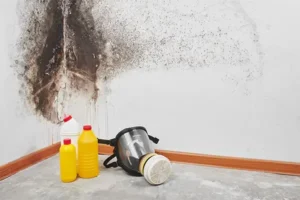
Mold can begin growing within 24 to 48 hours after water intrusion, making prevention a crucial part of flooded basement cleanup. Use mold inhibitors or commercial mold prevention sprays on walls, floors, and other surfaces. Ensure the basement is well-ventilated, and keep dehumidifiers running until the area remains consistently dry.
Regular inspections over the following weeks are also recommended. Look for any signs of mold growth, such as musty odors or discoloration on walls and floors. Addressing mold promptly can protect both your property and your family’s health.
Restore and Reorganize
Once your basement is fully cleaned and dried, you can begin the restoration process. Replace damaged drywall, flooring, and insulation as needed. Paint walls with mold-resistant paint to provide additional protection against future water damage.
Take the opportunity to reorganize your basement. Elevate furniture and store items in waterproof containers to reduce the impact of any future flooding. Installing a sump pump, backwater valve, or improving drainage around your home can also help prevent basement flooding in the future.
Know When to Call Professionals
While minor flooding may be manageable on your own, many situations require the expertise of a professional flooded basement cleanup service. Professionals have the proper equipment, knowledge, and experience to handle contaminated water, structural damage, and mold prevention safely.
Hiring experts can save time, reduce stress, and ensure that your basement is fully restored. In cases where insurance claims are involved, professional documentation of damage and cleanup can also support your claim.
Conclusion
Flooded basement cleanup is a detailed and critical process that requires safety, thoroughness, and preventive measures. From removing standing water and drying the area to disinfecting surfaces and checking for structural damage, each step plays a role in restoring your space and protecting your home. By following these guidelines and knowing when to involve professionals, you can successfully recover from basement flooding and minimize long-term issues. Taking proactive measures for future prevention will give you peace of mind and keep your basement safe and functional for years to come.