Basement Flood Cleaning: How to Restore Your Lower Level Safely
Flooding in a basement can be a nightmare for homeowners, leading to costly damage and potential health hazards. Effective basement flood cleaning is crucial not only for restoring your lower level but also for preventing long-term structural and environmental issues. Understanding the right steps, safety measures, and cleanup techniques can make the difference between a temporary inconvenience and a disaster that continues to cause problems.
Understanding the Causes of Basement Flooding
Before diving into basement flood cleaning, it is important to understand why basements flood. Common causes include heavy rainfall, sewer backups, plumbing failures, and foundation cracks. Identifying the source of water intrusion helps in targeting the cleanup process and preventing future occurrences. In some cases, water may seep slowly from the ground, creating hidden moisture pockets that can promote mold growth.
Knowing the type of water present is also vital. Clean water from a burst pipe is easier to manage than gray water, which may contain contaminants, or black water, such as sewage, which poses severe health risks. Proper assessment ensures that your basement flood cleaning efforts are both effective and safe.
Immediate Steps After a Flood
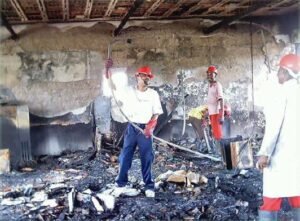
When your basement experiences flooding, acting quickly can limit damage. First, ensure the electricity is turned off if the water level is significant to prevent electrical hazards. Wearing protective gear such as rubber boots, gloves, and masks is essential when starting basement flood cleaning, especially if the water is contaminated.
Remove any valuable items, furniture, or appliances that can be salvaged. Place them in a dry area to prevent further damage. This step not only preserves your belongings but also gives you clear access for thorough cleaning and drying.
Draining Water Effectively
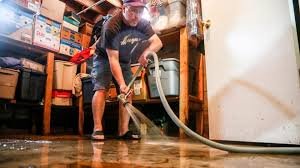
The next phase of basement flood cleaning involves removing standing water. For small amounts of water, a wet/dry vacuum can be effective. For larger volumes, a submersible pump may be necessary to speed up the process. Always dispose of the water in a manner that does not flood other areas of your property or your neighbors’ spaces.
Pay attention to corners, under stairs, and behind appliances, as water often collects in these hidden areas. Complete water removal is critical to prevent further damage and reduce the risk of mold.
Cleaning and Disinfecting Surfaces
After the water has been removed, surfaces need to be thoroughly cleaned and disinfected. Use a mixture of water and mild detergent for initial cleaning, followed by a disinfectant to kill bacteria and mold spores. Carpets, rugs, and fabrics that have been soaked should be washed, sanitized, or discarded if contamination is severe.
Concrete and wooden surfaces require special attention. While concrete can absorb water and develop cracks, untreated wood can warp and rot. Using dehumidifiers and fans helps accelerate the drying process during basement flood cleaning. Proper ventilation is key to reducing lingering moisture and preventing secondary damage.
Handling Mold and Mildew
Mold growth is a common issue after flooding, even with prompt cleanup. Mold can develop within 24–48 hours in damp conditions, making it essential to monitor for its presence. Signs include a musty odor, discoloration on walls or floors, and health symptoms such as respiratory irritation.
For minor mold infestations, a mixture of water and vinegar or a commercial mold remover can be effective. Larger infestations may require professional help. Regularly inspecting your basement after a flood ensures that mold does not take hold, which is a critical part of comprehensive basement flood cleaning.
Protecting Belongings and Structural Integrity
During basement flood cleaning, it’s important to protect your home’s structural components and personal belongings. Remove drywall or insulation that has absorbed water, as they can harbor mold and weaken over time. Furniture and electronics should be checked for water damage and treated accordingly.
Seal cracks in the foundation and consider applying waterproof coatings to walls and floors. Installing a sump pump or improving drainage systems can reduce the likelihood of future flooding, ensuring your basement remains dry and safe.
Safety Precautions During Cleanup
Safety should be a top priority during basement flood cleaning. Avoid direct contact with contaminated water, wear protective clothing, and use masks if mold is present. Be cautious of slippery surfaces and weakened flooring. Electrical systems must be inspected before turning power back on.
Keep children and pets away from the affected area until it is fully restored. Following safety protocols not only protects your health but also prevents additional property damage during the cleanup process.
Professional Assistance for Severe Flooding
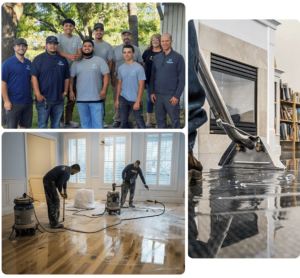
While minor flooding can often be managed by homeowners, severe basement flooding may require professional intervention. Restoration companies have specialized equipment such as industrial pumps, dehumidifiers, and air movers, along with expertise in handling contaminated water and mold remediation.
Hiring professionals ensures thorough basement flood cleaning and reduces the risk of long-term structural damage. They can also provide guidance on insurance claims, which is often necessary after significant water damage.
Preventing Future Basement Floods
Once your basement is restored, prevention is key. Regularly inspect your foundation, clean gutters, maintain sump pumps, and seal any cracks in walls or floors. Consider landscaping solutions that direct water away from your home. Proper maintenance reduces the frequency of flooding and minimizes the need for emergency basement flood cleaning in the future.
Conclusion
Flooding in the basement can be stressful, but timely and thorough basement flood cleaning makes a major difference in recovery. By understanding the causes, acting immediately, cleaning and disinfecting effectively, managing mold, protecting belongings, and taking preventive measures, homeowners can restore their lower levels safely and efficiently. Whether handling minor water intrusion or severe flooding, following these strategies ensures your basement remains safe, dry, and structurally sound.
Basement flood cleaning is not just about removing water—it’s about safeguarding your home, health, and peace of mind. Proper restoration practices help you avoid long-term damage, protect your family, and ensure that your lower level is ready for everyday use once again.