How to Choose a Trusted Food Packaging Boxes Wholesale Supplier for Your Business
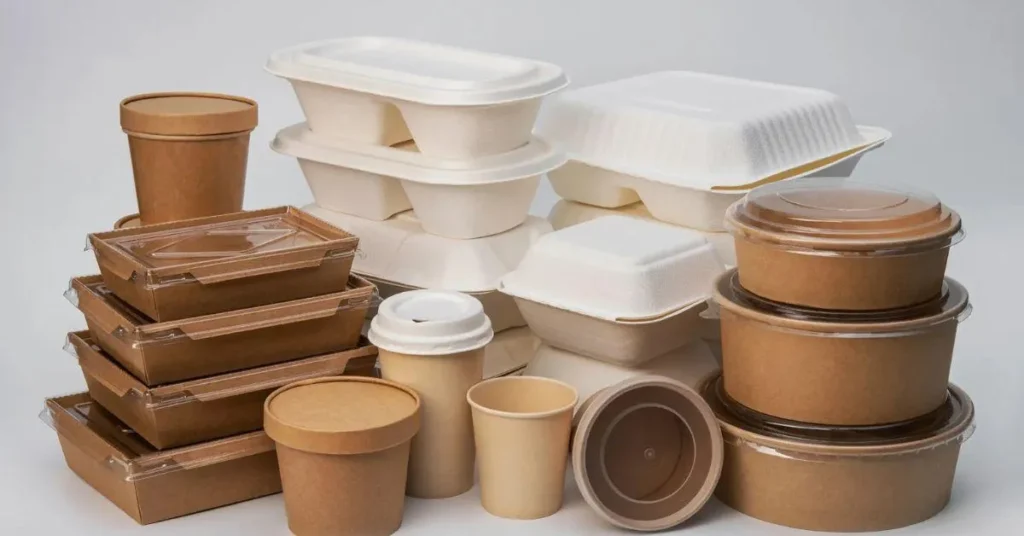
The quality of food packaging plays an important role in protecting products, maintaining freshness, and creating a positive impression on customers. Whether a business sells bakery products, takeaway meals, frozen foods, snacks, or packaged groceries, choosing the right packaging partner can influence daily operations and long-term success. A reliable Food packaging boxes wholesale supplier provides more than affordable boxes. The right supplier offers consistent quality, suitable materials, customization options, dependable delivery, and professional customer support.
With many packaging companies available in the market, finding a supplier that meets your business requirements requires careful consideration. Understanding the most important factors can help businesses make informed purchasing decisions and establish long-term relationships with dependable packaging providers.
Understanding Your Food Packaging Requirements
Before selecting a wholesale supplier, businesses should identify their specific packaging needs. Different food products require different packaging designs, materials, and protective features. For example, bakery products may need attractive boxes that preserve their appearance, while takeaway meals require sturdy containers that can handle transportation and food moisture.
Start by considering the type of food products you sell, their dimensions, storage conditions, and expected shelf life. Think about whether your products require grease-resistant materials, moisture protection, heat resistance, or secure closures.
Understanding these requirements makes it easier to communicate with potential suppliers and compare their available solutions. It also prevents unnecessary spending on packaging that does not provide the protection your products need.
Evaluate Material Quality and Food Safety
Material quality should be one of the first considerations when choosing a packaging supplier. Food packaging comes into direct or indirect contact with consumable products, so businesses must prioritize materials suitable for their intended applications.
Common packaging materials include cardboard, kraft paper, corrugated board, and food-grade paperboard. Each material offers different advantages depending on the product and packaging purpose.
A dependable supplier should provide clear information about material specifications, food-contact suitability, coatings, adhesives, and manufacturing standards. Ask whether the materials comply with applicable food-contact regulations in your target market.
Packaging should also maintain its structural strength during storage, handling, and transportation. Weak materials can result in damaged products, customer complaints, and unnecessary replacement costs.
Check Product Variety and Customization Options
A professional wholesale supplier should offer a broad selection of packaging products to accommodate different business requirements. Standard food packaging boxes may be suitable for everyday operations, but some businesses need specialized dimensions, shapes, and designs.
Customization is particularly important for brands that want to establish a recognizable market identity. Printed logos, brand colors, product information, attractive graphics, and unique box structures can make packaging more appealing.
When evaluating suppliers, ask about their printing capabilities, available sizes, minimum order quantities, and customization processes.
A supplier with flexible manufacturing options can help businesses develop packaging that matches their products and branding requirements. This flexibility becomes especially valuable when introducing new products or expanding an existing product range.
Compare Wholesale Pricing and Overall Value
Price is another important factor when choosing a packaging partner. Purchasing in bulk can reduce the cost per unit, making wholesale packaging attractive for businesses with regular packaging requirements.
However, selecting the cheapest supplier is not always the best decision. Extremely low prices may indicate inconsistent material quality, limited customization, or unreliable production processes.
Request detailed quotations from several suppliers and compare their pricing structures. Consider the following factors:
- Cost per box at different order quantities.
- Printing and customization charges.
- Shipping and transportation expenses.
- Minimum order requirements.
- Additional fees for special materials or finishes.
- Discounts for repeat or large-volume orders.
A trustworthy Food packaging boxes wholesale supplier should provide transparent pricing without unexpected charges. Businesses should evaluate the overall value rather than focusing exclusively on the initial purchase price.
Examine Manufacturing Capacity and Production Standards
Manufacturing capacity determines whether a supplier can fulfill your orders according to your business schedule. This is particularly important for restaurants, food manufacturers, supermarkets, and distributors that depend on regular packaging supplies.
Ask potential suppliers about their production facilities, manufacturing equipment, quality-control procedures, and average production timelines.
A capable supplier should have processes for checking material consistency, printing accuracy, box dimensions, structural strength, and finished-product quality.
It is also useful to understand how the company handles large orders during busy seasons. Suppliers with sufficient production capacity can help prevent shortages and maintain consistent packaging availability.
Consider Delivery Reliability and Supply Chain Management
Timely delivery is essential for businesses that depend on packaging to maintain daily operations. Even high-quality boxes become a problem if they arrive late or in insufficient quantities.
Before making a purchasing commitment, discuss delivery schedules, shipping methods, order tracking, and inventory management.
Ask whether the supplier can accommodate recurring orders and provide advance notice about potential production delays. Businesses with predictable packaging requirements may benefit from establishing scheduled deliveries.
Geographic location can also influence transportation costs and delivery times. Working with a supplier that has an efficient distribution network can simplify purchasing and improve supply chain reliability.
A reliable supplier should communicate clearly about order progress and respond quickly when delivery issues arise.
Review Customer Service and Communication
Good communication is an important part of a successful supplier relationship. Businesses need a packaging partner that understands their requirements, answers questions, and provides practical solutions when problems occur.
During the initial discussions, evaluate how quickly the supplier responds to inquiries. Notice whether representatives provide accurate product information and explain technical details clearly.
Professional customer support should be available to assist with product selection, customization requests, order adjustments, and delivery concerns.
It is also important to understand the supplier’s policy regarding damaged products, incorrect orders, printing mistakes, and product returns.
A company that takes responsibility for resolving issues demonstrates professionalism and a commitment to customer satisfaction.
Investigate Supplier Reputation and Customer Reviews
A supplier’s reputation can provide valuable information about its reliability and service quality. Before placing a large order, research the company’s background and look for feedback from existing customers.
Online reviews, testimonials, business directories, and industry recommendations can help you understand how the supplier performs in real business situations.
Pay attention to comments about product durability, delivery consistency, communication, pricing transparency, and order accuracy.
You can also request references or examples of previous packaging projects. Reviewing samples allows you to examine the printing quality, material thickness, construction, and overall appearance before committing to a wholesale purchase.
However, avoid relying entirely on promotional claims. Independent customer feedback and physical samples provide a more balanced understanding of a supplier’s capabilities.
Prioritize Sustainable Packaging Solutions
Environmental responsibility is becoming increasingly important in the food packaging industry. Many businesses are exploring packaging solutions that reduce waste and support more sustainable operations.
Ask suppliers whether they offer recyclable paperboard, responsibly sourced materials, recycled-content options, or other environmentally considerate alternatives.
It is important to verify environmental claims instead of assuming that every paper-based package is automatically sustainable. Coatings, laminations, adhesives, and printing materials can affect recyclability.
A knowledgeable supplier should explain the environmental characteristics of its products and provide relevant documentation when available.
Choosing appropriate sustainable packaging can also help businesses respond to customer expectations and strengthen their brand reputation.
Request Samples Before Placing Bulk Orders
Ordering samples is one of the most effective ways to evaluate a potential supplier. Product descriptions and digital images cannot always demonstrate the actual quality of packaging materials.
Ask for samples that match your intended box dimensions, material type, and printing requirements.
Test the packaging under realistic conditions. Check whether the boxes maintain their shape, close securely, and protect products during handling. For relevant applications, evaluate their resistance to moisture, grease, and temperature changes.
You should also examine whether printed colors and branding elements match your expectations.
Testing samples before placing a large order reduces purchasing risks and helps ensure that the final products meet your quality standards.
Build a Long-Term Supplier Partnership
Finding a suitable packaging supplier should be viewed as a long-term business decision rather than a one-time purchase.
A dependable partner can help you manage changing packaging requirements, introduce new designs, maintain consistent quality, and plan inventory more effectively.
Establish clear expectations regarding order quantities, production schedules, payment terms, quality standards, and communication procedures.
Regularly review supplier performance to ensure that pricing, delivery, and product quality remain satisfactory as your business grows.
A strong relationship can also create opportunities for improved pricing, customized solutions, and more efficient purchasing arrangements.
Conclusion
Choosing the right wholesale packaging partner requires attention to several important factors, including material quality, food safety, customization, pricing, production capacity, delivery reliability, and customer service.
A dependable Food packaging boxes wholesale supplier should understand your business requirements and provide packaging solutions that protect food products while supporting your brand identity. Comparing suppliers, reviewing customer feedback, requesting samples, and examining manufacturing capabilities can help you make a confident decision.
Ultimately, the best supplier is not necessarily the one offering the lowest price. It is the company that consistently delivers quality products, dependable service, competitive value, and flexible solutions. By building a strong supplier relationship, businesses can improve packaging operations, protect their products, and create a better experience for their customers.