Silicone Powder: Applications and Advantages in Industrial Polymer Production
Introduction
The industrial polymer industry constantly evolves as manufacturers look for innovative materials that improve product quality, durability, efficiency, and performance. Among the materials gaining attention in modern manufacturing is Silicone Powder. Known for its unique chemical properties, thermal stability, and compatibility with various polymer systems, Silicone Powder offers valuable benefits across numerous industrial applications. It can improve processing characteristics, enhance surface properties, increase resistance to wear, and contribute to the production of high-performance plastic and rubber products.
As industries demand stronger, more reliable, and versatile polymer materials, manufacturers increasingly explore additives that can improve the overall performance of their formulations. Silicone Powder has become an important option because of its ability to provide functional improvements without requiring major changes to existing production processes.
Understanding Silicone Powder in Polymer Manufacturing
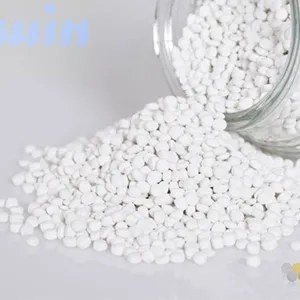
Silicone Powder is a finely processed material derived from silicone-based compounds. It is generally available in different particle sizes, chemical compositions, and grades depending on its intended industrial application. Its properties can include flexibility, low surface energy, chemical stability, water repellency, and resistance to elevated temperatures.
In polymer production, additives play an essential role in modifying the characteristics of base materials. Silicone Powder can be incorporated into thermoplastics, thermosetting polymers, elastomers, and other polymer formulations to achieve specific performance requirements.
Its compatibility with different polymer systems makes it useful for manufacturers producing specialized materials. Depending on the formulation, it can improve lubrication, reduce friction, enhance scratch resistance, and support consistent processing.
Major Applications of Silicone Powder in Industrial Polymer Production
Improving Plastic Processing Performance
One of the most valuable applications of Silicone Powder is improving plastic processing operations. During manufacturing, polymers pass through different stages, including melting, mixing, extrusion, molding, and shaping. Friction between materials and processing equipment can affect production efficiency and finished product quality.
Silicone Powder can function as an internal or external lubricant in suitable formulations. It helps reduce friction during processing, allowing polymer materials to move more smoothly through manufacturing equipment.
Improved processing characteristics can contribute to more consistent production, reduced equipment wear, and better surface quality. These advantages are particularly useful in large-scale manufacturing environments where operational efficiency is essential.
Enhancing Scratch and Abrasion Resistance
Plastic products frequently experience friction, handling, and physical contact during transportation and everyday use. These conditions can create scratches, surface marks, and gradual material deterioration.
Silicone Powder can improve the scratch and abrasion resistance of selected polymer compounds. When properly incorporated into a formulation, it can modify surface behavior and reduce friction between contacting materials.
This makes it valuable in manufacturing automotive interior components, household appliances, electronic housings, and consumer products. Improved surface durability helps maintain the appearance and functional quality of finished products.
Supporting Rubber and Elastomer Production
Rubber and elastomer manufacturers require materials that provide flexibility, resilience, and long-term performance. Silicone Powder can serve as a functional additive in selected rubber formulations, depending on its composition and compatibility.
It may contribute to improved processing, reduced surface friction, and enhanced resistance to wear. These characteristics are useful in applications involving seals, gaskets, flexible components, and industrial rubber products.
Manufacturers can evaluate different silicone-based additives to achieve the desired balance between flexibility, mechanical strength, and processing performance.
Enhancing Thermal Stability
Industrial polymers are often exposed to elevated temperatures during processing and throughout their service life. Excessive heat can affect material properties, dimensional stability, and product durability.
Certain grades of Silicone Powder provide useful thermal stability because of the characteristics of silicone-based chemistry. When selected appropriately, they can help improve the heat-related performance of polymer formulations.
This benefit is particularly relevant to automotive components, electrical housings, industrial equipment, and other products that operate in demanding environments.
However, actual thermal performance depends on the polymer matrix, additive concentration, and complete formulation.
Key Advantages of Silicone Powder
Reduced Friction and Improved Lubrication
A major advantage of Silicone Powder is its ability to reduce friction in suitable polymer systems. Lower friction can improve material flow during processing and help manufacturers achieve smoother product surfaces.
This property can also reduce wear between moving or contacting components. In applications where surface movement is frequent, improved lubrication can support product longevity and performance.
Better Surface Quality
Product appearance is an important consideration in industries such as automotive manufacturing, electronics, packaging, and consumer goods.
Silicone Powder can help improve surface characteristics by reducing friction and supporting a smoother finish. Depending on the formulation, it may also contribute to better scratch resistance and more consistent surface performance.
Manufacturers benefit from improved product appearance and reduced surface defects when the additive is correctly selected and processed.
Improved Manufacturing Efficiency
Production efficiency directly influences manufacturing costs and overall competitiveness. Additives that improve polymer flow and processing behavior can help manufacturers maintain consistent operations.
Silicone Powder may reduce processing difficulties, improve material handling, and support more stable production conditions. These improvements can contribute to better manufacturing efficiency and potentially lower operational expenses.
The actual results depend on equipment settings, polymer composition, and production conditions.
Chemical Resistance and Durability
Silicone-based materials are known for their resistance to many environmental influences. Certain Silicone Powder formulations can contribute to improved durability in polymer applications where moisture, chemicals, and demanding operating conditions are concerns.
This makes silicone-based additives useful in specialized industrial products that require dependable performance.
Nevertheless, chemical resistance should always be evaluated against the specific substances and environmental conditions involved.
Role in Different Industrial Sectors
Automotive Industry
The automotive industry uses a wide range of polymer components, including dashboards, interior panels, protective covers, seals, and under-the-hood parts.
Silicone Powder can help improve surface durability, reduce friction, and support better processing in selected automotive polymer compounds. These properties are valuable for manufacturers seeking lightweight materials with reliable performance.
Electronics and Electrical Manufacturing
Electrical and electronic products require materials that offer dimensional stability, dependable surface characteristics, and suitable thermal performance.
Silicone Powder can be used in certain plastic compounds for electronic housings, connectors, protective components, and other industrial applications.
Its contribution depends on the required electrical, thermal, and mechanical specifications of the finished material.
Packaging Industry
Packaging manufacturers frequently work with polymer materials that must maintain consistent appearance, flexibility, and processing performance.
Silicone Powder can help improve surface behavior and processing characteristics in selected packaging applications. It may also support reduced friction during manufacturing and handling.
These benefits can be particularly useful in high-volume production environments.
Construction and Industrial Materials
The construction sector uses polymers in insulation products, protective components, coatings, and specialized building materials.
Certain silicone-based additives can improve surface performance, moisture-related properties, and durability in suitable formulations. Silicone Powder may therefore support the development of specialized polymer products designed for challenging environmental conditions.
Important Factors When Selecting Silicone Powder
Choosing the correct Silicone Powder is essential for achieving the desired manufacturing results. Not every grade performs equally across different polymer systems.
Manufacturers should consider particle size, chemical composition, compatibility, dispersion characteristics, thermal behavior, and recommended dosage.
Compatibility is particularly important because an additive must distribute properly throughout the polymer matrix. Poor dispersion can lead to inconsistent performance, surface defects, or reduced mechanical properties.
Testing different concentrations through controlled formulation trials can help determine the most effective dosage. Manufacturers should also review technical data sheets and safety documentation before introducing a new additive into production.
Best Practices for Using Silicone Powder
Successful incorporation of Silicone Powder requires proper handling and formulation management. Manufacturers should follow supplier recommendations regarding storage, mixing procedures, processing temperatures, and dosage levels.
Consistent dispersion is essential for achieving uniform product characteristics. Depending on the polymer system, manufacturers may introduce the powder during compounding, blending, or another suitable production stage.
Quality control testing should evaluate important properties such as tensile strength, impact resistance, friction, scratch resistance, surface appearance, and thermal performance.
It is also important to maintain appropriate workplace safety procedures. Fine powders should be handled using suitable ventilation and protective equipment to minimize exposure to airborne particles.
Future Opportunities for Silicone Powder in Polymer Technology
The demand for advanced polymer materials continues to increase across automotive, electronics, construction, packaging, and industrial manufacturing sectors. As manufacturers focus on producing lighter, more durable, and more efficient products, specialized additives are becoming increasingly important.
Silicone Powder has opportunities to support these developments through improved processing characteristics, surface modification, and functional performance.
Research into advanced polymer formulations, improved dispersion technologies, and specialized silicone-based materials may create additional applications. Manufacturers are also exploring ways to optimize additive concentrations and reduce unnecessary material consumption while maintaining product quality.
These developments could strengthen the role of Silicone Powder in future industrial polymer production.
Conclusion
Silicone Powder is a versatile additive that offers several potential advantages in industrial polymer production. Its ability to improve lubrication, reduce friction, enhance scratch resistance, support thermal performance, and improve processing characteristics makes it valuable across different manufacturing sectors.
From automotive components and electronic housings to rubber products, packaging materials, and construction applications, it can help manufacturers develop polymer products that meet demanding performance requirements.
Selecting the appropriate grade, ensuring proper dispersion, and conducting formulation testing are essential for achieving reliable results. As polymer technology continues to advance, Silicone Powder is likely to remain an important material for manufacturers seeking better product quality, improved production efficiency, and innovative industrial solutions.