Water Extraction Techniques Every Homeowner Should Know
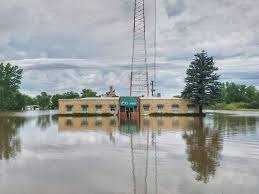
Water damage is one of the most common and costly issues homeowners face. Whether caused by a burst pipe, heavy rainfall, or an overflowing appliance, standing water can lead to structural damage, mold growth, and health hazards if not addressed promptly. Understanding water extraction techniques can help homeowners protect their property, minimize damage, and potentially save money on costly repairs. This article will explore essential water extraction methods every homeowner should know.
Understanding Water Extraction
Water extraction refers to the process of removing water from a building or property after flooding or leakage. Quick and efficient water extraction is crucial because water can seep into walls, flooring, and furniture, leading to long-term damage. Professionals often use specialized equipment to extract water, but homeowners can also employ basic techniques and tools to manage minor flooding incidents before help arrives.
Water extraction is not just about removing visible water. It also involves addressing hidden moisture trapped within walls, under carpets, or inside furniture, which can be a breeding ground for mold and mildew. Therefore, knowing the fundamentals of water extraction can make a significant difference in how well a home recovers after a water-related incident.
Immediate Actions After Water Damage
The first step in water extraction is taking immediate action to prevent further damage. Safety should always come first. Turn off electricity in affected areas, wear protective gear if necessary, and identify the source of the water leak. For minor spills, quickly mopping up or using a wet/dry vacuum can prevent water from soaking deeper into surfaces.
Next, remove valuable items, electronics, and furniture from the flooded area if it is safe to do so. This prevents further loss and allows more effective water extraction. The faster water is removed, the less likely structural damage and mold growth will occur.
Tools for Effective Water Extraction
Several tools are useful for homeowners looking to perform water extraction efficiently.
Wet/Dry Vacuum
A wet/dry vacuum is one of the most accessible and effective tools for removing standing water. These vacuums are designed to handle liquids and can extract large amounts of water quickly. They are particularly helpful for smaller water incidents, such as a leaking washing machine or a spilled bucket of water.
Pumps
For more significant flooding, pumps are necessary. Submersible pumps can remove large volumes of water from basements or low-lying areas. Some homeowners also use sump pumps for recurring water problems. Pumps are more efficient than manual methods and can prevent prolonged water exposure that leads to structural damage.
Dehumidifiers
While dehumidifiers do not extract standing water, they play a critical role in water extraction by removing moisture from the air. After water has been removed from surfaces, using a dehumidifier helps dry the remaining humidity in walls, floors, and furniture, preventing mold and mildew growth.
Fans and Air Movers
High-velocity fans and air movers accelerate the drying process. They are especially effective when combined with dehumidifiers. Moving air helps evaporate water trapped in carpets, under floors, or in wall cavities. Proper ventilation ensures that water extraction is complete and prevents lingering dampness.
Water Extraction Techniques for Homeowners
Manual Water Removal
In cases of minor water accumulation, manual water removal can be sufficient. Using mops, towels, and buckets to absorb water is a straightforward approach. It may require more effort but allows homeowners to address the issue immediately without waiting for professional help.
Carpet and Upholstery Water Extraction
Water can quickly seep into carpets and furniture, causing hidden damage. Extracting water from carpets and upholstery often requires specialized wet/dry vacuums or carpet extractors. Homeowners should lift carpets, remove padding if soaked, and ensure proper drying to prevent mold growth. Upholstery should be dried carefully using towels and fans to avoid fabric damage.
Basement Water Extraction
Basements are particularly vulnerable to flooding due to their low position in a home. Using submersible pumps is the most effective water extraction method for basements. After pumping out standing water, dehumidifiers and fans should be used to dry the remaining moisture. Regular basement inspections can help homeowners identify leaks or weak points before they lead to serious flooding.
Water Extraction from Walls and Hard-to-Reach Areas
Water can seep into walls, baseboards, and other hidden areas. In these cases, water extraction is more complicated. Homeowners may need to drill small holes to allow trapped water to escape or use specialized moisture-absorbing equipment. Detecting moisture with a hygrometer or moisture meter can ensure no hidden water remains.
Preventive Measures to Reduce Water Damage
While understanding water extraction is essential, prevention is equally important. Homeowners should regularly inspect plumbing systems, roofs, and gutters to prevent leaks. Installing sump pumps in flood-prone areas and sealing cracks in foundations can also reduce the risk of water damage.
Maintaining appliances, such as washing machines and water heaters, is another effective preventive measure. Small leaks can escalate into significant flooding if not addressed promptly. Having a basic water extraction plan and equipment on hand can minimize damage in the event of a sudden water emergency.
When to Call Professionals
Even with knowledge of water extraction techniques, some situations require professional help. Extensive flooding, contaminated water (such as sewage), or water damage affecting electrical systems should be handled by trained water extraction specialists. Professionals have advanced equipment, such as industrial-grade pumps, air movers, and moisture detection tools, to ensure comprehensive water removal and drying.
Hiring experts can save homeowners from costly repairs and health hazards caused by mold and structural damage. A professional water extraction service also provides proper documentation for insurance claims, which can be valuable in restoring your property.
Conclusion
Water extraction is a critical skill for homeowners, whether facing a minor spill or significant flooding. By understanding immediate actions, using the right tools, and employing effective techniques, homeowners can reduce damage and prevent long-term issues like mold growth and structural decay.
Investing in basic water extraction equipment, learning proper methods for carpets, furniture, and basements, and knowing when to call professionals ensures that water damage does not turn into a costly disaster. Every homeowner should be prepared with knowledge and tools to tackle water emergencies effectively, keeping their home safe and resilient against future incidents.
Water extraction is more than just removing water—it’s about protecting your home, health, and investment. Being proactive and informed is the best defense against the unpredictable nature of water damage.