Potassium Cyanide and Safety: Important Precautions to Understand
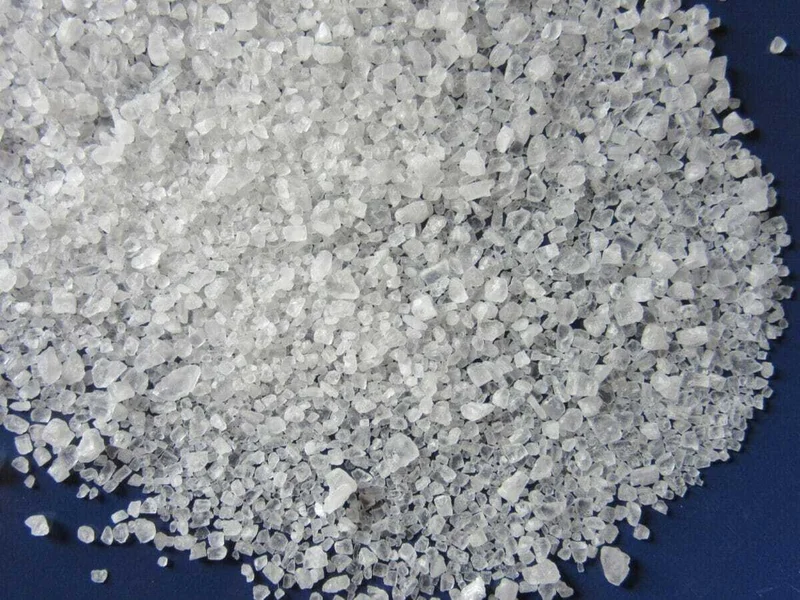
Potassium cyanide is a highly toxic chemical that requires exceptional care whenever it is present in a workplace, laboratory, industrial facility, or other controlled environment. Because exposure can become life-threatening very quickly, understanding the hazards and following established safety procedures are essential. The term cianuro di potassio, which means potassium cyanide in Italian, may appear on chemical labels, technical documents, or safety information. Regardless of the language used, the substance presents the same serious health and environmental concerns.
This article provides general safety information about potassium cyanide, including its hazards, safe handling principles, emergency awareness, storage considerations, and the importance of professional training. It does not provide instructions for producing, concentrating, or misusing cyanide compounds.
Understanding Potassium Cyanide
Potassium cyanide is an inorganic cyanide compound that can interfere with the body’s ability to use oxygen at the cellular level. This makes cyanide poisoning a medical emergency. The substance can be particularly dangerous because serious exposure may occur through several routes, including inhalation, ingestion, or contact with contaminated material.
The severity of exposure depends on factors such as the amount involved, the route of exposure, and the circumstances surrounding the incident. Even a workplace that uses cyanide for legitimate industrial or laboratory purposes must therefore maintain strict controls.
Recognizing names such as potassium cyanide and cianuro di potassio is useful for workers who may encounter multilingual labels or documentation. Chemical identification should always be confirmed using the official container label and current Safety Data Sheet rather than relying on appearance or assumptions.
Why Potassium Cyanide Is Extremely Dangerous
The principal danger associated with potassium cyanide is its toxicity. Cyanide can disrupt cellular respiration, preventing cells from using oxygen effectively. The brain and heart are particularly vulnerable because they require substantial amounts of oxygen to function normally.
Potential symptoms of significant cyanide exposure can include headache, dizziness, confusion, weakness, nausea, difficulty breathing, changes in heart rate, seizures, loss of consciousness, and cardiovascular collapse. Symptoms can develop rapidly, making immediate emergency action extremely important.
A person who appears well after a suspected exposure should not simply assume that there is no danger. Anyone potentially exposed to potassium cyanide should be evaluated according to established emergency procedures and appropriate medical guidance.
Safe Handling Principles
Only trained and authorized personnel should work with potassium cyanide. Facilities using this chemical should have written procedures covering handling, storage, spill response, waste management, personal protective equipment, and emergency communication.
Before working with a hazardous cyanide compound, employees should understand the relevant Safety Data Sheet and workplace chemical-safety procedures. Training should address the specific hazards of the facility rather than relying on informal instructions or personal experience.
Appropriate engineering controls are also important. Where cyanide compounds are legitimately used, facilities should use suitable containment and ventilation systems designed by qualified professionals. The objective is to prevent workers from being exposed rather than depending solely on protective clothing or respiratory equipment.
Workers should never eat, drink, smoke, apply cosmetics, or store food in areas where hazardous chemicals are handled. Good hygiene practices and careful contamination control can reduce the possibility of accidental exposure.
Personal Protective Equipment
Personal protective equipment, commonly called PPE, should be selected according to the chemical, task, concentration, exposure potential, and workplace risk assessment. Depending on the circumstances, this may involve suitable protective clothing, gloves, eye protection, face protection, or respiratory protection.
PPE must be compatible with the chemical and correctly maintained. Damaged or contaminated equipment should be handled according to the facility’s established procedures.
It is important to understand that PPE is only one layer of protection. Proper containment, safe work practices, ventilation, training, and emergency planning are equally important.
Storage and Chemical Compatibility
Potassium cyanide should be stored only in an appropriately controlled area designated for hazardous chemicals. Containers should remain properly identified and secured when not in use. Access should be restricted to trained personnel.
Storage requirements should follow the current Safety Data Sheet, applicable regulations, and the facility’s chemical-management program. Cyanide compounds require particular attention to chemical compatibility because inappropriate contact with certain substances can create additional hazards.
Workers should never transfer an unidentified chemical into an unlabelled container. Clear identification is essential for preventing accidental mixing, improper disposal, and emergency-response mistakes.
Preventing Accidental Exposure
Accidents involving highly toxic chemicals can often be reduced through planning. Workplaces should maintain inventories, inspect containers and equipment regularly, and promptly address leaks, damaged packaging, or other unsafe conditions.
Employees should know how to report spills and suspected exposures. A workplace should also have clearly communicated emergency contacts and procedures. Emergency equipment should be selected, installed, and maintained by qualified safety professionals.
Most importantly, workers should never improvise when dealing with a suspected cyanide release. Leaving an unsafe area and contacting trained emergency personnel is generally safer than attempting an unauthorized cleanup.
What to Do During a Suspected Exposure
A suspected potassium cyanide exposure should be treated as a serious emergency. The immediate priority is to avoid further exposure and activate the organization’s emergency response system.
People should not enter a contaminated area to rescue someone unless they are trained and properly equipped to do so. Unprotected rescuers can become additional victims.
Emergency medical services and poison-control professionals should be contacted immediately according to local procedures. Medical professionals may use specific treatments for cyanide poisoning, so providing accurate information about the suspected chemical can be extremely important.
Contaminated clothing or materials should be managed according to professional emergency guidance. People should avoid touching potentially contaminated substances without appropriate protection.
Environmental and Waste Considerations
Potassium cyanide and cyanide-containing waste should never be disposed of casually. Improper disposal can expose workers, members of the public, wastewater systems, soil, or wildlife to serious hazards.
Organizations that use cyanide compounds should have formal waste-management procedures based on applicable environmental regulations. Waste containers should be appropriately identified, secured, and managed by trained personnel or authorized hazardous-waste services.
Spills should likewise be handled under a professionally prepared emergency response plan rather than improvised methods.
The Importance of Training and Documentation
Effective cyanide safety depends on more than knowing that the chemical is poisonous. Workers need practical training relevant to their specific duties, access to current Safety Data Sheets, appropriate protective equipment, and clear emergency procedures.
Regular refresher training can help employees recognize warning signs and respond appropriately. Supervisors should also ensure that only authorized personnel have access to hazardous cyanide compounds.
Clear documentation helps organizations maintain consistency. Chemical inventories, training records, inspection programs, emergency plans, and waste-management procedures should be reviewed periodically.
Conclusion
Potassium cyanide is an extremely hazardous substance that demands strict professional controls. Understanding its toxicity, recognizing names such as cianuro di potassio, following approved handling and storage procedures, using appropriate protective measures, and maintaining an effective emergency plan are essential components of responsible chemical safety.
The safest approach is prevention: limit access, use appropriate engineering controls, provide specialized training, maintain accurate chemical identification, and rely on qualified emergency professionals when an exposure or release occurs. Because cyanide poisoning can progress rapidly, suspected exposure should always be treated as a medical emergency rather than something to manage through guesswork or informal advice.