Mold Damage Remediation: Steps to Restore Your Home Safely
Mold damage can be more than just an unsightly issue in your home—it can threaten your health and compromise the structural integrity of your property. Tackling mold damage requires a systematic approach, and understanding the process of mold damage remediation is essential for restoring your home safely. This article will guide you through the steps involved in handling mold infestations effectively, ensuring your living space is safe and healthy.
Understanding Mold Damage
Mold is a type of fungus that thrives in damp and humid environments. When left untreated, it can spread quickly, affecting walls, floors, ceilings, and even furniture. Mold spores are microscopic and can become airborne, leading to respiratory problems, allergies, and other health issues if inhaled. In addition, mold can weaken wooden structures, damage drywall, and ruin personal belongings, making mold damage remediation a critical process.
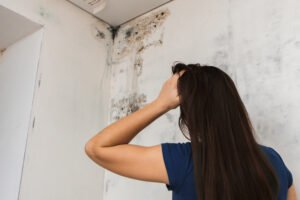
Mold growth is often triggered by water leaks, high humidity, or poor ventilation. Early detection is key to preventing extensive damage. Look for signs such as musty odors, visible black or green patches, discoloration on walls or ceilings, and persistent dampness in certain areas of your home.
Assessing the Extent of the Mold Problem
Before starting mold damage remediation, it is important to assess the extent of the infestation. Some mold growth is visible, but hidden mold can develop behind walls, under carpets, and inside air ducts. A thorough inspection should include checking for:
- Water leaks from plumbing or roofs
- High-humidity areas such as basements, bathrooms, and kitchens
- Areas with poor ventilation
- Signs of wood or drywall deterioration
Professional mold inspectors can use moisture meters and thermal imaging cameras to detect hidden mold. Understanding the scale of the problem helps determine whether you can manage it yourself or require professional mold damage remediation services.
Containing the Mold
Containment is a crucial step in mold damage remediation to prevent spores from spreading to unaffected areas. Use plastic sheeting to seal off the contaminated area and close doors and windows. If the mold infestation is extensive, professionals may use negative air pressure equipment to prevent spores from escaping.
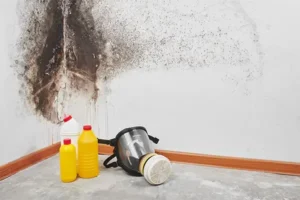
Personal protective equipment (PPE) is essential during this process. Wear gloves, goggles, and an N95 respirator mask to reduce exposure to mold spores. Safety is a top priority during remediation to protect your health.
Removing Mold-Infested Materials
Some materials, such as carpets, insulation, and drywall, may be heavily contaminated and require removal. Mold damage remediation often involves discarding items that cannot be effectively cleaned. Porous materials like paper, fabric, and wood are more difficult to sanitize and may need to be replaced.
Non-porous surfaces, such as metal, glass, and hard plastics, can usually be cleaned using mold-killing solutions. A mixture of water and detergent or commercially available mold cleaners can remove surface mold effectively. Avoid using bleach on porous materials, as it may not penetrate deeply enough to eliminate mold spores.
Cleaning and Disinfecting
After removing contaminated materials, thoroughly clean the affected area. Use a combination of water, detergent, and appropriate antimicrobial solutions to scrub walls, floors, and other surfaces. Ensure that the cleaning process reaches hidden corners and crevices where mold spores may linger.
Disinfecting is an important step to prevent mold from returning. Products containing fungicides can kill remaining spores and reduce the risk of re-infestation. After cleaning, allow the area to dry completely, as moisture is the main factor that encourages mold growth.
Drying and Dehumidifying
Moisture control is a critical part of mold damage remediation. After cleaning, use fans, dehumidifiers, and proper ventilation to ensure the affected areas dry thoroughly. Mold thrives in damp environments, so maintaining a dry home is essential for long-term prevention.
Check for hidden sources of moisture, such as leaks behind walls or under flooring, and repair them promptly. Consistent monitoring of humidity levels can help prevent future mold problems. Ideally, indoor humidity should remain below 60 percent to inhibit mold growth.
Repairing and Restoring
Once the mold has been removed and the area is dry, repairs can begin. Replace damaged drywall, insulation, and flooring as needed. Seal any gaps or cracks in walls, ceilings, or windows to prevent moisture intrusion. Mold damage remediation may also involve repainting walls using mold-resistant paints to provide an extra layer of protection.
Restoring your home includes cleaning and sanitizing furniture, curtains, and other belongings that were exposed to mold. Items that cannot be salvaged should be disposed of properly to prevent recontamination.
Preventing Future Mold Infestations
The final step in mold damage remediation is prevention. Implement strategies to reduce moisture and maintain a healthy indoor environment. Key preventive measures include:
- Fixing leaks promptly and ensuring proper drainage around the home
- Using dehumidifiers in damp areas such as basements and bathrooms
- Installing proper ventilation in kitchens, bathrooms, and laundry areas
- Regularly cleaning gutters and downspouts to prevent water buildup
- Using mold-resistant building materials during renovations
Regular home inspections for water damage, leaks, and mold growth can help detect problems early and minimize the risk of severe infestations.
When to Call Professionals
While minor mold issues can sometimes be handled by homeowners, extensive infestations require professional mold damage remediation services. Experts have the equipment, knowledge, and experience to safely remove mold, restore affected areas, and prevent future growth. Hiring professionals is especially important if:
- Mold covers a large area (greater than 10 square feet)
- Mold is caused by contaminated water, such as sewage leaks
- You have health concerns or pre-existing conditions affected by mold exposure
- The infestation involves hidden mold in walls or HVAC systems
Professional remediation ensures that mold is completely eradicated and your home is safe for occupancy.
Conclusion
Mold damage remediation is a multi-step process that requires careful planning, thorough cleaning, and ongoing prevention measures. Addressing mold promptly protects your health, preserves the structural integrity of your home, and ensures a safe living environment. By understanding the steps involved—inspection, containment, removal, cleaning, drying, repair, and prevention—you can restore your home effectively and prevent future mold problems. Taking action early and following proper remediation practices is the key to safeguarding your home from the damaging effects of mold.