Key Industrial Applications of Perforated Plate
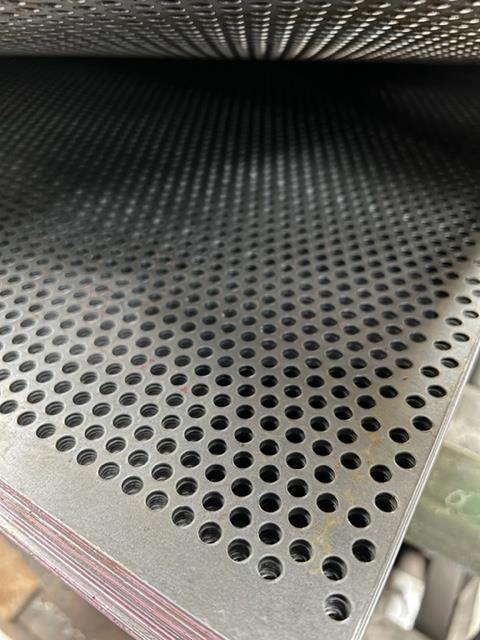
A perforated plate is a flat sheet of metal or other durable material that has been stamped or drilled with a pattern of holes to serve a wide range of industrial functions. These holes can vary in size, shape, and spacing depending on the intended application, making the material highly versatile across different sectors. The strength, durability, and adaptability of perforated plate make it a preferred choice in industries that require filtration, separation, ventilation, protection, or structural support.
From heavy industrial machinery to architectural design, the use of perforated plate has expanded significantly due to its efficiency and cost-effectiveness. Engineers and designers often choose it not only for its functionality but also for its ability to optimize airflow, reduce weight, and enhance aesthetics. In modern industrial systems, perforated plate plays a crucial role in improving performance while maintaining operational reliability.
Manufacturing and Processing Industries
Filtration and Separation Systems
One of the most important applications of perforated plate is in filtration and separation systems. In manufacturing plants, it is commonly used to filter solids from liquids or gases. The precise hole patterns allow for controlled passage of materials while retaining unwanted particles. This makes it essential in industries such as petrochemicals, pharmaceuticals, and water treatment.
The durability of perforated plate ensures long-term use even in harsh chemical environments. Its resistance to corrosion and mechanical wear allows continuous operation without frequent replacements, reducing downtime and maintenance costs.
Chemical Processing Applications
In chemical processing industries, perforated plate is used in reactors, distillation columns, and mixing equipment. It helps in controlling flow distribution and improving reaction efficiency. By ensuring uniform dispersion of materials, it enhances chemical reactions and product quality. Additionally, its ability to withstand high temperatures and corrosive substances makes it highly suitable for demanding chemical environments.
Construction and Architecture
Structural and Decorative Uses
In modern construction, perforated plate is widely used for both functional and decorative purposes. Architects incorporate it into building facades to create visually appealing designs while also improving ventilation and natural lighting. This combination of aesthetics and practicality makes it popular in commercial buildings, airports, and public infrastructure.
The use of perforated plate in architectural projects also contributes to energy efficiency. By allowing controlled airflow and sunlight penetration, it reduces the need for artificial cooling and lighting, leading to more sustainable building designs.
Acoustic Control and Safety Applications
Another important use of perforated plate in construction is in acoustic panels and noise control systems. It helps absorb and diffuse sound, making it ideal for auditoriums, offices, and industrial facilities. Additionally, it is used in staircases, walkways, and safety barriers where strength and visibility are required simultaneously.
Automotive and Transportation Industry
Vehicle Components and Ventilation
The automotive sector extensively uses perforated plate in various components such as grills, exhaust systems, and air filters. Its ability to allow airflow while blocking debris makes it essential for engine cooling systems and ventilation units. It helps improve vehicle performance by maintaining optimal temperature conditions.
In addition, perforated plate is used in interior and exterior design elements of vehicles. It enhances both functionality and aesthetics, providing a modern and streamlined appearance while ensuring durability.
Noise Reduction and Safety Features
Transportation systems such as trains, buses, and aircraft also utilize perforated plate for noise reduction panels. These components help minimize vibration and sound transmission, improving passenger comfort. Its strength and lightweight properties make it suitable for high-performance transportation applications.
Food and Beverage Industry
Processing and Sorting Equipment
In the food and beverage industry, perforated plate plays a key role in processing, sorting, and grading materials. It is commonly used in sieves, strainers, and drying equipment. The precise hole sizes allow for accurate separation of food particles based on size, ensuring product consistency and quality.
For example, in grain processing, perforated plate is used to separate impurities from grains and classify them into different grades. Similarly, in dairy and beverage production, it is used for filtering liquids and maintaining hygiene standards.
Hygiene and Safety Compliance
The smooth surface and corrosion-resistant properties of perforated plate make it easy to clean and maintain, which is critical in food processing environments. It helps industries comply with strict hygiene regulations while maintaining efficient production processes.
Energy and Mining Sector
Screening and Sorting in Mining Operations
In mining industries, perforated plate is widely used for screening and sorting extracted materials. It helps separate ores, coal, and minerals based on size, improving processing efficiency. Its durability allows it to withstand heavy impact and abrasive materials commonly found in mining operations.
The use of perforated plate in vibrating screens and sorting machines ensures continuous operation under extreme conditions. This reduces equipment wear and enhances productivity in large-scale mining projects.
Applications in Oil and Gas Industry
In the oil and gas sector, perforated plate is used in filtration systems, drilling equipment, and safety barriers. It helps separate solids from drilling fluids and ensures smooth operation of extraction processes. Its ability to perform under high pressure and corrosive environments makes it a reliable material for offshore and onshore operations.
Environmental and Agricultural Applications
Water Treatment and Waste Management
Environmental engineering heavily relies on perforated plate for wastewater treatment and filtration systems. It is used to separate solid waste from liquids, ensuring cleaner water output. This application is essential for municipal water treatment plants and industrial effluent management systems.
The efficiency of perforated plate in filtering contaminants contributes significantly to environmental protection efforts and sustainable water management practices.
Agricultural and Soil Applications
In agriculture, perforated plate is used in equipment for drying, sorting, and processing crops. It also plays a role in soil aeration systems, helping improve oxygen flow to plant roots. This enhances soil health and promotes better crop yields.
Farm machinery such as grain dryers and seed sorters often rely on perforated plate to ensure efficient and uniform processing of agricultural products.
Conclusion
The versatility and durability of perforated plate make it an essential component across numerous industries. From manufacturing and construction to energy, agriculture, and environmental management, its applications are vast and continually expanding. Its ability to provide structural strength while allowing controlled airflow, filtration, and separation makes it highly valuable in modern engineering systems.
As industries continue to evolve toward more efficient and sustainable practices, the demand for perforated plate is expected to grow further. Its role in improving performance, reducing costs, and enhancing product quality ensures that it remains a fundamental material in industrial innovation and development.