Essential Facts About Home Oxygen Concentrator Systems
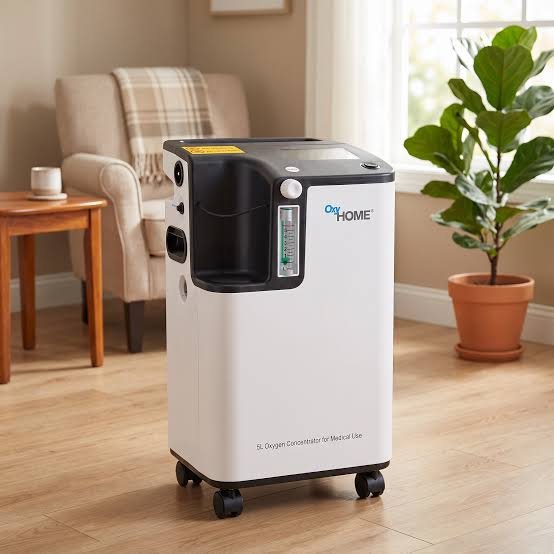
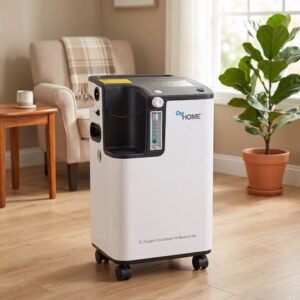
A home oxygen concentrator can be an important part of respiratory support for people who have been prescribed supplemental oxygen. Unlike traditional oxygen cylinders that store a limited amount of compressed oxygen, a concentrator draws in surrounding air, removes much of the nitrogen, and delivers a higher concentration of oxygen through tubing or another prescribed interface. In many regions, these devices are also described with the Chinese term 家用氧氣機.
Understanding how a home oxygen concentrator works, what features matter, and how to use it safely can help patients and caregivers manage oxygen therapy more confidently. However, an oxygen concentrator should be used according to instructions from a qualified healthcare professional.
What Is a Home Oxygen Concentrator?
A home oxygen concentrator is a medical device designed to provide supplemental oxygen from the surrounding air. Normal air contains approximately 21% oxygen, while a concentrator uses specialized components to separate oxygen from nitrogen and other gases.
The concentrated oxygen is then delivered to the user through a nasal cannula, oxygen mask, or another prescribed method. Depending on the model, a device may provide continuous-flow oxygen or operate using pulse-dose delivery.
The appropriate system depends on the individual’s medical requirements. Oxygen therapy should not be started, stopped, or adjusted without professional guidance.
How Oxygen Concentrator Systems Work
Most oxygen concentrators use a process called pressure swing adsorption. The device pulls room air through filters before sending it into molecular sieve beds. These materials selectively retain nitrogen while allowing oxygen to pass through.
The concentrated oxygen moves into a storage area inside the machine before being delivered to the patient. Nitrogen and other gases are released back into the surrounding environment.
This process allows the concentrator to continuously produce oxygen as long as it has access to electricity and adequate airflow. Because it does not depend on a finite oxygen tank, it can be convenient for long-term home use.
Important Features to Consider
When evaluating a home oxygen concentrator, several specifications deserve attention. Oxygen output is one of the most important because different patients may require different flow rates.
Noise level can also matter, particularly when the device operates overnight. A quieter machine may make it easier for users to sleep or maintain normal household activities.
Portability is another consideration. Some concentrators are designed primarily for stationary use, while portable oxygen concentrators are engineered for travel and mobility. Battery operation may be available on certain portable models.
Other useful features can include alarms, clear controls, readable displays, oxygen monitoring systems, filter indicators, and power-failure warnings. The right features depend on the user’s prescription and lifestyle.
Choosing the Correct Oxygen Flow
Oxygen therapy is highly individualized. A healthcare professional may prescribe a specific oxygen flow rate based on the patient’s condition, oxygen saturation, activity level, and other clinical factors.
Users should not increase or decrease the flow simply because they feel short of breath. Oxygen is a medical treatment, and using an inappropriate amount can create health risks in certain circumstances.
Some concentrators offer adjustable settings, but those settings should only be changed within the parameters provided by the prescribing healthcare professional.
Stationary and Portable Systems
Stationary concentrators are generally intended to remain in the home. They can be suitable for people who need oxygen for extended periods and do not frequently travel outside.
Portable oxygen concentrators are designed to support greater mobility. They are often smaller and may include rechargeable batteries. Some models provide pulse-dose oxygen rather than continuous flow.
A portable system may be useful for shopping, appointments, visiting family, or other activities, but suitability depends on the prescribed oxygen requirements. Not every portable concentrator can meet every patient’s needs.
Safe Placement and Everyday Use
A home oxygen concentrator needs adequate ventilation. It should be positioned according to the manufacturer’s instructions, with sufficient space around air intake and exhaust areas.
Oxygen itself does not burn, but it can make fires burn more intensely. For this reason, smoking, open flames, and other ignition sources should be kept away from oxygen equipment.
Users should avoid placing the concentrator near heaters, stoves, fireplaces, or other sources of excessive heat. Electrical cords should be kept in good condition, and the device should be connected as recommended by the manufacturer.
Oxygen tubing should also be positioned carefully to reduce the risk of tripping.
Maintenance and Cleaning
Routine maintenance helps keep a concentrator operating properly. External surfaces can generally be cleaned according to manufacturer instructions, while filters and other components should be maintained or replaced as specified.
Tubing and nasal cannulas may require regular cleaning or replacement. Users should follow the equipment provider’s recommendations rather than applying household cleaning products that could damage components.
If the device produces unusual sounds, displays an alarm, becomes excessively hot, or appears to malfunction, it should be checked according to the manufacturer’s troubleshooting guidance and, when necessary, by an authorized service provider.
Power Supply and Backup Planning
Electricity is an important consideration for home oxygen concentrators. A power outage can interrupt oxygen delivery, which may be particularly concerning for people who depend on supplemental oxygen continuously.
Patients and caregivers should have an appropriate backup plan. Depending on the individual’s needs, this could involve a backup oxygen source, battery system, generator, or another arrangement recommended by the healthcare provider and equipment supplier.
Portable battery capacity should also be monitored carefully when traveling away from a regular power source.
Traveling With Oxygen Equipment
Travel requirements vary depending on the destination and transportation method. Before traveling, users should check the requirements of airlines, hotels, transportation providers, and relevant authorities.
A portable oxygen concentrator may provide greater flexibility than a stationary system, but not every device is approved for every type of travel.
Users should also carry essential equipment, chargers, batteries, prescriptions, and contact information for their oxygen supplier when appropriate.
Understanding 家用氧氣機 for Home Respiratory Support
The term 家用氧氣機 is commonly used to describe a home oxygen machine or concentrator in Chinese-speaking contexts. Regardless of the terminology, the key principles remain the same: the equipment should match the prescribed oxygen requirements, be operated according to its instructions, and receive appropriate maintenance.
Patients should understand their prescribed flow setting, how to recognize device alarms, how to clean relevant components, and what to do if the power supply fails.
When Professional Help Is Needed
A concentrator does not replace medical evaluation. If a person experiences significant breathing difficulty, chest pain, confusion, blue or gray discoloration of the lips or skin, or other serious symptoms, urgent medical attention may be necessary.
Equipment problems should also be addressed promptly. Warning alarms, unexpected changes in oxygen delivery, damaged tubing, or repeated power problems should not be ignored.
Healthcare professionals can also reassess whether oxygen therapy remains appropriate and whether the prescribed settings need adjustment.
Final Thoughts
A home oxygen concentrator can provide an ongoing source of supplemental oxygen without requiring frequent replacement of compressed oxygen cylinders. Understanding its operation, safety requirements, maintenance needs, and power considerations can make home oxygen therapy easier to manage.
Whether referred to as a home oxygen concentrator or 家用氧氣機, the equipment should always be selected and used according to professional medical guidance. With proper setup, regular maintenance, safe handling, and an appropriate backup plan, patients and caregivers can use these systems responsibly as part of a prescribed respiratory-care routine.