Common Sewer Backup Causes and How to Prevent Them
Sewer backups are a nightmare for homeowners and businesses alike. Not only do they create unpleasant odors and unsanitary conditions, but they can also lead to costly property damage. Understanding the common sewer backup causes and taking preventive measures can save you significant stress, time, and money. This article explores why sewer backups occur and what steps you can take to prevent them from happening in your home or property.
Understanding Sewer Backups
A sewer backup occurs when wastewater from your home cannot flow through the sewer system properly, causing it to return through drains, toilets, or sinks. The result is often a mix of water, sewage, and debris flooding areas of your property. Sewer backups can happen in both municipal sewer systems and private sewer lines, and the causes are varied. Recognizing these causes is the first step toward prevention.
Common Sewer Backup Causes
Blockages in the Sewer Line
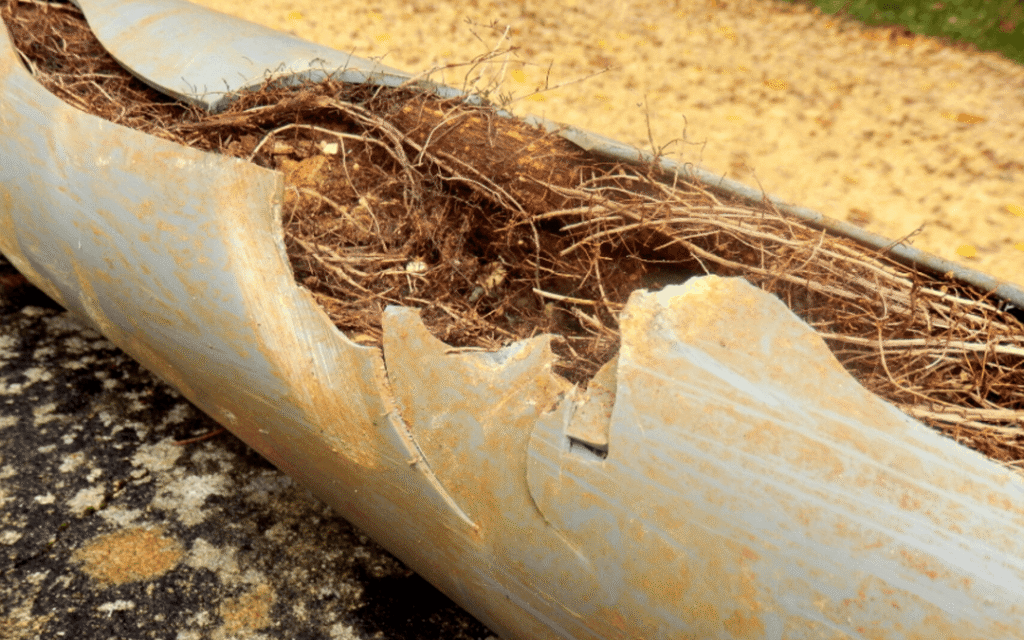
One of the most frequent sewer backup causes is a blockage in the sewer line. This can be caused by grease, hair, food particles, or other debris that accumulate over time and obstruct the flow of wastewater. Tree roots growing into pipes can also create severe blockages, often going unnoticed until a backup occurs.
Old or Damaged Pipes
Aging sewer infrastructure can lead to frequent backups. Over time, pipes can crack, corrode, or collapse, restricting water flow and increasing the likelihood of a blockage. Homes with old clay or cast-iron pipes are especially prone to such issues.
Flushing Non-Flushable Items
Many homeowners inadvertently contribute to sewer backups by flushing items that are not meant to be disposed of in the toilet. Items like wet wipes, paper towels, feminine hygiene products, and dental floss can accumulate and cause significant blockages in the sewer system.
Heavy Rain and Stormwater
Excessive rain can overwhelm municipal sewer systems, especially if your home is connected to a combined sewer system that handles both stormwater and wastewater. When the system reaches capacity, it can back up into homes and businesses, leading to flooding and water damage.
Improper Sewer Design or Installation
Sewer backup causes can also stem from improper design or installation of plumbing systems. Pipes with inadequate slope, poor connections, or insufficient capacity are more likely to clog and cause backups. Even small mistakes during installation can result in recurring problems over time.
Grease Buildup
Pouring grease, oil, or fat down the drain is a common mistake that contributes to sewer backups. These substances solidify in the pipes, attracting other debris and creating stubborn blockages. Restaurants and homes that frequently dispose of cooking oils in sinks are particularly at risk.
Tree Root Infiltration
Tree roots are naturally attracted to the moisture and nutrients in sewer lines. Over time, roots can infiltrate pipes through tiny cracks, creating blockages and even breaking the pipe entirely. This problem is especially common in older neighborhoods with large, mature trees near sewer lines.
Preventive Measures for Sewer Backups
Preventing sewer backups requires a combination of proper maintenance, mindful usage, and timely interventions. By taking proactive steps, homeowners can minimize the risk of sewage-related issues.
Regular Sewer Line Inspections
Scheduling regular inspections of your sewer lines can help identify potential issues before they escalate into backups. Professional plumbers can use cameras to inspect pipes, detecting cracks, blockages, or root intrusions that may not be visible otherwise. Early detection can save you significant repair costs.
Avoid Flushing Non-Flushable Items
The simplest preventive measure is to only flush appropriate materials down the toilet. Educate all household members about the dangers of flushing wipes, paper towels, and other non-degradable items. Proper disposal of these items in the trash reduces the risk of sewer backups significantly.
Manage Grease Disposal
Instead of pouring grease down the drain, collect it in a container and dispose of it in the trash once it solidifies. This simple habit prevents greasy buildups in your pipes and reduces the likelihood of blockages. Commercial kitchens should implement grease traps and maintain them regularly.
Tree Root Management
If you have large trees near your sewer lines, consider periodic root management to prevent intrusion. Professional plumbers can apply root inhibitors or physically remove roots that threaten your pipes. In some cases, pipe replacement may be necessary if roots have caused significant damage.
Install Backwater Valves
Backwater valves are devices installed in your plumbing system to prevent sewage from flowing back into your home during a backup. These valves are particularly useful in areas prone to heavy rain or where sewer system overflows are common. While they require professional installation, they provide peace of mind and effective protection.
Maintain Proper Drainage
Ensure that your property has proper drainage to handle stormwater. Clean gutters and downspouts regularly and direct water away from your foundation. Proper drainage prevents excess water from overwhelming your sewer system during heavy rains, reducing the chances of a backup.
Timely Repairs and Upgrades
If your home has old or damaged pipes, it is wise to replace them proactively rather than waiting for a catastrophic failure. Modern materials like PVC or HDPE pipes are less prone to blockages and root intrusion, ensuring better long-term performance.
Conclusion
Understanding sewer backup causes and implementing preventive measures is crucial for every homeowner. From simple habits like not flushing non-flushable items and managing grease disposal to professional interventions like inspections, backwater valves, and pipe upgrades, prevention is always more cost-effective than cleanup. By staying vigilant and proactive, you can protect your home from the unpleasant consequences of sewer backups and maintain a safe, sanitary living environment.
Taking the time to address potential issues early not only saves money but also reduces stress and prevents health hazards associated with sewage contamination. Prioritizing these preventive measures ensures that sewer backups remain a rare occurrence rather than a recurring nightmare.