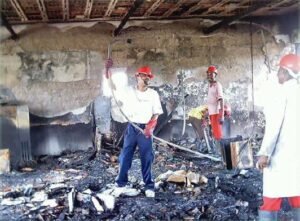
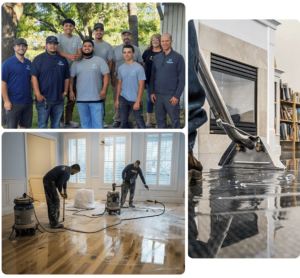
Common Mistakes to Avoid During Water Damage Clean Up
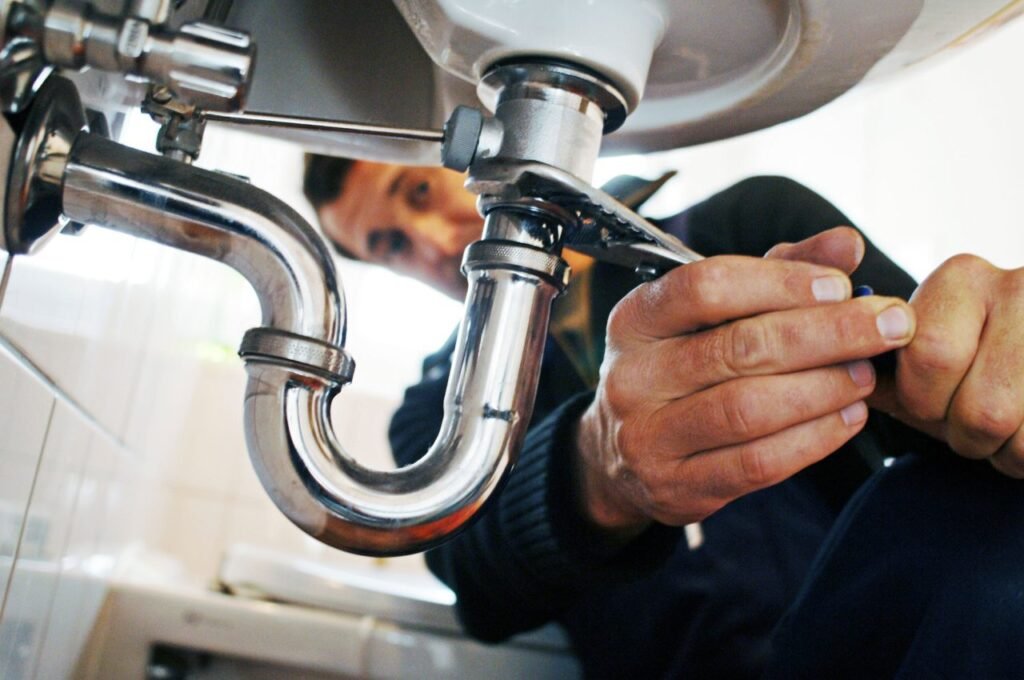
Water damage can strike unexpectedly, whether from a burst pipe, heavy rain, or flooding. Proper water damage clean up is essential to prevent structural damage, mold growth, and health hazards. However, homeowners often make mistakes during the clean-up process that can worsen the situation or increase restoration costs. Understanding these common mistakes can help ensure a safer and more effective recovery process.
Ignoring Safety Precautions
One of the biggest mistakes during water damage clean up is neglecting safety. Water-logged areas can conceal electrical hazards, weakened structures, and contaminated water. Before attempting any clean-up, it is critical to turn off electricity in affected areas and wear protective gear, including gloves, boots, and masks. Failing to do so can lead to serious injuries, such as electric shock, slips, or exposure to harmful bacteria and chemicals.
Delaying the Clean Up Process
Time is of the essence when dealing with water damage. Waiting too long to begin water damage clean up allows water to seep deeper into floors, walls, and furniture. This delay can result in extensive structural damage and rapid mold growth. Immediate action, such as removing standing water and drying affected areas, is essential to minimize damage. Homeowners often underestimate the speed at which water can compromise a property, making prompt response critical.
Using Improper Tools and Equipment
Many people attempt water damage clean up using household tools like mops, towels, and buckets. While these may seem sufficient, they are often inadequate for extensive water damage. Industrial-grade equipment, such as wet/dry vacuums, dehumidifiers, and high-capacity fans, is necessary for effective water extraction and drying. Using improper tools can prolong the clean-up process and increase the risk of mold and structural damage.
Failing to Remove All Water
Even small amounts of leftover water can cause long-term problems. Moisture trapped in walls, under floors, or in carpets can promote mold growth and weaken the structural integrity of the home. During water damage clean up, it is important to thoroughly remove water from all affected areas. Professionals often use moisture meters to detect hidden water pockets, ensuring a complete clean-up. Homeowners should also check behind baseboards, under cabinets, and inside wall cavities.
Neglecting Mold Prevention
Mold can start growing within 24 to 48 hours after water exposure. One of the most common mistakes during water damage clean up is failing to treat areas for mold prevention. After removing water, surfaces should be cleaned with antimicrobial solutions and dried thoroughly. Mold remediation may be necessary for severely affected areas. Ignoring mold risks can lead to serious health issues, including allergies and respiratory problems, as well as costly remediation efforts.
Overlooking Personal Belongings
Water damage does not only affect the structure of a home; it can ruin personal belongings, including electronics, documents, and furniture. During clean up, it’s a mistake to focus solely on structural restoration while ignoring salvageable items. Properly assessing and cleaning water-damaged possessions can save valuable items. Electronics should be dried carefully, and furniture may require professional cleaning to prevent mold and odors.
Improper Disposal of Contaminated Materials
Floodwater and other water damage sources can carry bacteria, chemicals, and debris. A common mistake during water damage clean up is improper disposal of contaminated materials. Carpets, insulation, drywall, and furniture exposed to contaminated water should be removed and disposed of safely. Leaving these materials in the home can pose health risks and hinder the restoration process. It’s important to follow local guidelines for hazardous waste disposal.
Ignoring Hidden Damage
Visible water is only part of the problem. One of the most frequent mistakes is overlooking hidden damage, such as compromised foundations, roof leaks, or hidden mold growth. Water can travel through ceilings, walls, and floors, causing unseen problems that may surface months later. A thorough inspection, often performed by water damage professionals, is crucial to identify and address hidden damage. This ensures a complete and long-lasting restoration.
Using Heat to Dry Too Quickly
Some homeowners make the error of using direct heat sources, such as hairdryers or space heaters, to dry water-damaged areas quickly. While heat may seem like a good solution, it can cause materials like wood and drywall to warp or crack. Professional water damage clean up relies on controlled drying methods with dehumidifiers and air movers, which remove moisture gradually and safely without damaging the property.
Not Documenting Damage for Insurance
Failing to document water damage properly can lead to insurance complications. Homeowners often start cleaning immediately without taking photos or keeping records of the damage. Documenting the extent of water damage before and during the clean-up process is crucial for insurance claims. Accurate documentation helps ensure coverage for repairs and replacement of damaged belongings.
Attempting DIY When Damage Is Severe
Many people underestimate the severity of water damage and attempt DIY clean up. While minor spills or leaks can sometimes be managed, significant water damage requires professional expertise. Professionals trained in water damage clean up have specialized equipment and knowledge to handle severe cases safely. Attempting to manage large-scale damage without proper training can lead to incomplete clean-up, mold infestations, and additional repair costs.
Skipping Follow-Up Inspections
Even after water damage clean up is completed, skipping follow-up inspections is a common mistake. Moisture can remain trapped in hidden areas, and mold may develop later. A follow-up inspection ensures that all areas are fully dry, and no lingering issues compromise the property. Professional inspections help homeowners prevent long-term damage and maintain a safe, healthy living environment.
Not Maintaining Humidity Control
Water damage clean up doesn’t end once the visible water is gone. Maintaining proper humidity levels is essential to prevent future mold growth and structural problems. Using dehumidifiers and monitoring indoor humidity helps ensure that the property remains dry. Ignoring humidity control can undo the efforts of the initial clean-up and allow water-related issues to return.
Failing to Address the Source of Water
Cleaning up water without addressing the source is another frequent mistake. If the original cause, such as a leaky roof, broken pipe, or poor drainage, isn’t fixed, water damage will likely recur. Water damage clean up should always be paired with repairs to prevent future incidents. Identifying and resolving the source is crucial for long-term protection of the property.
Underestimating Costs
Finally, underestimating the costs associated with water damage clean up is a common misstep. Homeowners may try to cut corners by handling restoration themselves or using minimal equipment. However, investing in professional water damage clean up and proper restoration often saves money in the long run by preventing structural damage, mold growth, and repeated repairs.
Water damage clean up requires careful planning, attention to detail, and sometimes professional intervention. Avoiding these common mistakes—neglecting safety, delaying action, using improper tools, ignoring mold, overlooking hidden damage, and failing to fix the source—can make a critical difference in protecting your home. By approaching water damage clean up methodically, homeowners can ensure a safer, healthier, and more resilient property.