Araucana for Sale: What Backyard Poultry Keepers Should Know
Araucana chickens have become popular among backyard poultry keepers because of their distinctive appearance, colorful eggs, and interesting personality. These unusual birds can bring variety to a small flock while araucana for sale offering an enjoyable experience for people interested in raising heritage poultry. However, anyone searching for an Araucana for sale should understand the breed’s characteristics, housing requirements, egg production, and care needs before making a purchase.
Whether you are a beginner planning your first backyard flock or an experienced poultry keeper looking to add a distinctive breed, learning about Araucana chickens can help you make a more informed decision.
Understanding the Araucana Chicken Breed
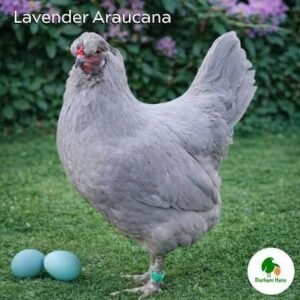
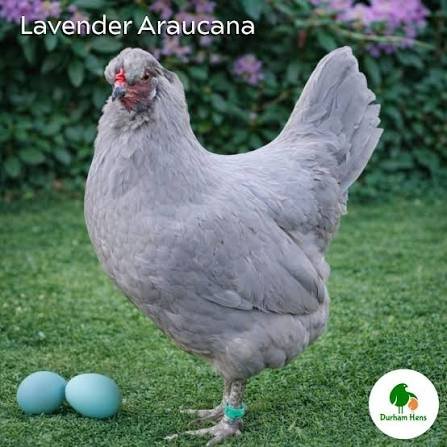
Araucana chickens are known for laying naturally blue-shelled eggs. Their distinctive appearance and heritage make them attractive to poultry enthusiasts who want something different from common commercial laying breeds.
The breed is associated with Chile and South America, where blue-egg-laying chickens have a long history. Araucanas are particularly recognizable because of their characteristic ear tufts and lack of a tail. These features distinguish them from many other chickens, although their appearance can vary depending on breeding lines and regional standards.
It is important to distinguish Araucanas from Ameraucanas and Easter Eggers. Although these birds may share certain characteristics, they are not identical breeds. Ameraucanas generally have tails, beards, and muffs, while Easter Eggers are mixed-breed chickens that may lay eggs in several shell colors.
When looking for Araucana chickens for sale, buyers should confirm the breed’s identity rather than relying exclusively on photographs or claims about egg color.
Why Backyard Poultry Keepers Choose Araucanas
Araucanas offer several qualities that make them appealing additions to backyard flocks. Their blue eggs are often the primary attraction, but their appearance and heritage also contribute to their popularity.
Naturally Blue Eggshells
The most recognizable feature of Araucana chickens is their ability to lay blue-shelled eggs. The blue coloration develops within the shell itself rather than appearing only as a surface coating.
Egg color can vary in intensity between individual hens and breeding lines. Some eggs may appear pale blue, while others have a deeper blue-green appearance under certain lighting conditions.
Keepers should remember that blue eggs are not necessarily more nutritious than white or brown eggs. Their main appeal is their distinctive appearance and the variety they bring to a basket of fresh eggs.
Distinctive Physical Appearance
Araucanas have an unusual appearance that attracts poultry enthusiasts. Their ear tufts, compact bodies, and naturally tailless structure can make them stand out among other backyard chickens.
However, the ear-tuft trait is associated with genetic complications, and breeding for this characteristic requires careful management. Buyers interested in breeding should work with knowledgeable breeders who prioritize healthy birds and responsible breeding practices.
Heritage Breed Appeal
Many backyard poultry keepers enjoy raising heritage breeds because they offer a connection to traditional poultry keeping. Araucanas can be especially interesting for people who appreciate genetic diversity, unusual physical traits, and naturally colored eggs.
Their relatively uncommon status in some areas can also make them an appealing choice for hobbyists who want to develop a varied and distinctive flock.
What to Look for When Searching for Araucana for Sale
Finding a suitable seller is one of the most important steps in purchasing Araucana chickens. A responsible buying decision begins with evaluating the seller, the birds’ health, and the information available about their background.
Choose a Knowledgeable Breeder
Look for breeders who can explain the origin of their birds, describe their breeding practices, and answer questions about the breed. A reputable breeder should be transparent about whether the birds are purebred Araucanas, crosses, or birds sold primarily for their blue eggs.
Ask about the age of the chickens, their vaccination or health history where applicable, and the conditions in which they have been raised. If you intend to show or breed the birds, request information about the applicable breed standards.
Avoid relying on marketing descriptions alone. Clear photographs and honest information are useful, but they do not independently establish pedigree or genetic quality.
Examine the Birds’ Health
Healthy chickens should generally appear alert, active, and responsive to their surroundings. Their feathers should be reasonably clean, and their eyes and nostrils should be free from obvious discharge.
Check for signs such as unusual breathing, persistent lethargy, severe feather loss, or difficulty walking. These symptoms may indicate health or management problems that need further investigation.
Ask the seller about any recent illness within the flock and whether the birds have received appropriate veterinary attention. When possible, seek advice from a poultry veterinarian before introducing unfamiliar birds to your existing flock.
Decide Between Chicks, Pullets, and Adult Hens
Araucanas may be available at different stages of development, and each option has advantages.
Chicks usually require more intensive care, including appropriate brooder temperatures, suitable feed, and close observation. They may also take several months to begin laying eggs.
Pullets are young hens that have not necessarily started laying. They can be a practical choice for keepers who want to raise their own birds without caring for newly hatched chicks.
Adult hens offer a clearer indication of mature appearance and may already be laying. However, buyers should ask about their age, laying history, and previous living conditions.
Housing and Space Requirements
Araucana chickens need a secure, comfortable environment that protects them from predators and provides room for normal behavior. Although they can adapt to many backyard settings, their housing should be planned before the birds arrive.
A suitable coop should provide dry bedding, good ventilation without direct drafts, protection from rain, and enough roosting and nesting space. Nest boxes should be positioned in quiet areas where hens can lay eggs with minimal disturbance.
An outdoor run should offer enough space for walking, scratching, dust bathing, and exploring. Secure fencing and predator-resistant construction are particularly important in areas where dogs, foxes, rodents, or other predators may threaten poultry.
Shade and fresh water are essential during hot weather. In colder conditions, dry bedding and protection from strong winds help support comfort and health.
Because local climates differ considerably, backyard keepers should adjust their housing plans to their area’s temperature, rainfall, humidity, and seasonal conditions.
Feeding Araucana Chickens Properly
Balanced nutrition supports healthy growth, feather development, egg production, and general well-being. Araucanas benefit from a complete poultry feed appropriate for their life stage.
Growing chicks need a suitable chick starter, while developing pullets require feed formulated for young birds. Laying hens generally benefit from a complete layer ration that provides appropriate calcium and other essential nutrients.
Fresh, clean water should always be available. Water containers should be cleaned regularly to reduce contamination, particularly during warm weather.
Kitchen scraps and treats may be offered in moderation when appropriate, but they should not replace a balanced diet. Excessive treats can dilute essential nutrients and contribute to nutritional problems.
If hens are laying eggs, an appropriate calcium source can help support shell formation. Keepers should also monitor body condition and egg quality to identify potential feeding or health concerns early.
Egg Production and Expectations
Araucanas are generally valued for their blue eggs rather than for the exceptionally high production associated with specialized commercial laying hybrids.
Actual egg production depends on genetics, age, nutrition, housing, daylight, stress, and overall health. Some hens may lay consistently during favorable periods, while production naturally changes with age and seasonal conditions.
New keepers should avoid assuming that every Araucana hen will produce the same number or shade of eggs. Even birds from the same breeding line can differ.
The breed is a good option for people who appreciate variety and the experience of raising distinctive poultry. Those whose primary objective is maximizing egg numbers should compare Araucanas with other breeds before deciding which birds best suit their needs.
Managing Araucanas in a Mixed Backyard Flock
Araucanas can be kept alongside other compatible chicken breeds when the flock is managed carefully. Introductions should be gradual because unfamiliar chickens may establish a pecking order that creates stress or injuries.
Provide sufficient feeding and drinking stations so that less dominant birds can access resources. Observe flock behavior, particularly during the first days after introducing new chickens.
New arrivals should be quarantined separately for an appropriate period, commonly around 30 days, following veterinary or local poultry-health guidance. This precaution helps reduce the risk of introducing contagious diseases to an established flock.
If you plan to breed Araucanas, keep accurate records of parentage, egg characteristics, health, and offspring development. Responsible breeding practices can help preserve desirable traits while giving priority to the welfare of the birds.
Understanding the Cost of Araucana Chickens
The price of Araucanas for sale varies according to location, age, breeder reputation, pedigree, and the purpose for which the birds are sold.
Day-old chicks may cost less than mature, carefully selected breeding birds. Pullets and adult laying hens may command different prices depending on their age, condition, and verified background.
Shipping, packaging, veterinary checks, housing equipment, feed, and other supplies can increase the total cost of ownership. Buyers should therefore consider the complete setup budget rather than focusing exclusively on the initial purchase price.
Compare several sellers where possible, but do not automatically choose the cheapest option. Healthy birds from a transparent, responsible breeder can provide a better long-term experience than poorly documented birds purchased solely because of their price.
Common Mistakes to Avoid
First-time buyers can make better decisions by avoiding a few common mistakes.
- Confusing similar breeds: Confirm whether the birds are genuine Araucanas rather than Ameraucanas or Easter Eggers.
- Buying without preparation: Set up suitable housing, feeding equipment, and secure outdoor space before bringing chickens home.
- Ignoring health information: Ask about the flock’s history and examine the birds carefully.
- Expecting identical egg colors: Understand that individual hens can produce different shades of blue.
- Overlooking ongoing expenses: Budget for feed, bedding, maintenance, and veterinary care.
- Purchasing for appearance alone: Consider temperament, health, housing needs, and the breeder’s practices as well as physical characteristics.
Taking time to research these factors can prevent avoidable problems and help create a healthier backyard flock.
Conclusion
Searching for an Araucana for sale can be the beginning of an enjoyable backyard poultry project. These distinctive chickens attract attention through their blue eggs, unusual appearance, and heritage-breed appeal. However, choosing the right birds requires more than finding an attractive listing.
Buyers should verify breed identity, evaluate the seller’s reputation, examine bird health, prepare suitable housing, and understand the nutritional and financial responsibilities involved in keeping chickens. It is also important to maintain realistic expectations about egg production and recognize the additional care required when breeding birds with specialized physical traits.
With thoughtful preparation and responsible management, Araucanas can become a rewarding part of a backyard flock. Whether your goal is collecting blue eggs, exploring heritage poultry, or developing a small breeding project, informed decisions will help you provide better care for your birds and enjoy the experience of raising them.