What It Means to Effectively Lead Teams and Develop Future Business Leaders

Effective leadership is more than assigning responsibilities, monitoring performance, or making important decisions. It is the ability to inspire people, create a shared sense of purpose, encourage collaboration, and help individuals develop the skills they need to succeed. In modern organizations, strong leadership also means preparing the next generation of business leaders who can respond confidently to changing markets, evolving technologies, and new workplace expectations. Leaders such as David Barrick represent the broader idea that successful leadership requires vision, accountability, communication, and a genuine commitment to developing people.
Understanding Effective Team Leadership
Leading a team effectively begins with understanding that every employee brings different experiences, strengths, motivations, and perspectives. A strong leader does not simply expect everyone to work in the same way. Instead, effective leadership involves identifying individual capabilities and creating an environment where those capabilities can contribute to shared objectives.
Clear communication is one of the most important elements of team leadership. Employees need to understand what the organization is trying to accomplish, why their work matters, and what is expected of them. Leaders who communicate consistently reduce confusion and help teams remain focused. Communication should also be two-way. Employees should feel comfortable sharing ideas, asking questions, raising concerns, and providing feedback.
Trust is equally important. Teams perform better when employees believe their leader is fair, reliable, and willing to support them. Trust develops through consistent actions rather than occasional promises. Leaders demonstrate trustworthiness by keeping commitments, acknowledging mistakes, recognizing contributions, and treating team members with respect.
Creating a Culture of Collaboration
Successful leaders understand that high-performing teams are rarely built around individual achievement alone. Collaboration allows employees with different skills to combine their knowledge and solve problems more effectively. A leader’s role is to establish an environment where cooperation is encouraged rather than competition becoming the primary focus.
This can involve creating shared goals, encouraging cross-functional projects, and giving employees opportunities to learn from one another. Leaders should also recognize collaborative behavior. When people see that teamwork is valued, they are more likely to share information and support their colleagues.
An effective leader also knows how to manage disagreements. Conflict is not always negative; constructive disagreement can introduce new ideas and expose potential weaknesses in a plan. The objective is to ensure that differences are handled professionally and remain focused on solving problems rather than creating personal tension.
Developing Future Business Leaders
One of the most important responsibilities of an effective leader is developing people who can eventually take on greater responsibilities. Leadership development should not begin only when someone receives a management position. It should be an ongoing process that helps employees build confidence, judgment, communication skills, and strategic thinking.
Mentoring is one valuable approach. Experienced leaders can share knowledge, explain how they approach difficult decisions, and provide practical guidance. However, effective mentoring is not about giving employees every answer. Future leaders need opportunities to think independently and develop their own decision-making abilities.
Delegation also plays a major role in leadership development. Leaders who refuse to delegate may maintain control over daily operations, but they limit opportunities for others to grow. Giving employees meaningful responsibilities allows them to practice leadership, evaluate risks, solve problems, and learn from real-world experiences.
Encouraging Accountability and Ownership
Accountability is a fundamental characteristic of effective leadership. Strong leaders establish clear expectations and hold themselves and their teams responsible for results. However, accountability should not be confused with blame.
A healthy culture allows employees to take ownership of their work while understanding that mistakes can become learning opportunities. When something goes wrong, effective leaders focus on understanding what happened, identifying improvements, and preventing similar problems in the future.
Leaders should also model accountability themselves. Employees pay attention to how managers respond when plans fail or targets are missed. A leader who accepts responsibility demonstrates integrity and encourages the same behavior throughout the organization.
Building Strategic Thinking
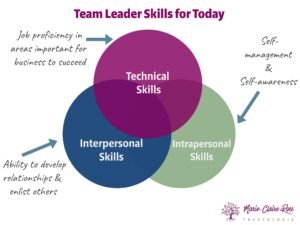
Future business leaders need more than technical expertise. They must understand how individual decisions affect the broader organization. Strategic thinking helps employees look beyond immediate tasks and consider customers, competitors, financial performance, technology, organizational culture, and long-term opportunities.
Leaders can develop strategic thinking by involving employees in planning discussions and explaining the reasoning behind important decisions. Instead of simply telling employees what needs to be done, they can explain the business objective behind the task.
This approach encourages people to think like business owners rather than task performers. Over time, employees become better equipped to identify opportunities, anticipate challenges, and make decisions that support organizational goals.
Leading Through Change
Business environments constantly change. New technologies, customer expectations, economic conditions, and competitive pressures can require organizations to adapt quickly. Effective leaders help teams navigate these changes without losing focus or confidence.
Transparent communication becomes especially important during periods of uncertainty. Employees often become concerned when they do not understand why changes are happening or how those changes will affect them. Leaders can reduce anxiety by explaining the situation honestly, providing realistic expectations, and giving employees opportunities to contribute to solutions.
Future leaders should also learn that adaptability is a leadership skill. The ability to evaluate new information, reconsider assumptions, and adjust strategies can be just as important as having a strong original plan.
Recognizing and Developing Individual Potential
Not every future leader will look like a traditional manager. Some employees may demonstrate leadership through creativity, technical expertise, problem-solving, communication, or the ability to bring people together. Effective organizations recognize different forms of leadership potential.
Regular feedback can help employees understand their strengths and areas for improvement. Constructive feedback should be specific and focused on behaviors or outcomes rather than personal characteristics. Leaders can then work with employees to establish development goals and identify experiences that will help them progress.
Professional development can include training, coaching, mentoring, project leadership, presentations, and cross-functional assignments. Providing these opportunities creates a stronger internal talent pipeline and reduces dependence on external recruitment for leadership positions.
The Importance of Emotional Intelligence
Emotional intelligence is another essential quality for modern business leaders. Leaders work with people who have different personalities, communication styles, priorities, and pressures. Understanding emotions and responding appropriately can significantly influence team performance.
An emotionally intelligent leader listens carefully, remains composed under pressure, recognizes when employees need support, and understands how leadership behavior affects workplace morale. These qualities help leaders build stronger professional relationships.
Developing emotional intelligence also means understanding one’s own reactions. Leaders who can recognize their emotions before responding to difficult situations are more likely to make thoughtful decisions rather than impulsive ones.
Measuring Leadership Success
Leadership success should not be measured only by revenue, productivity, or project completion. Those outcomes are important, but sustainable leadership also involves employee engagement, retention, development, collaboration, and the organization’s ability to produce future leaders.
A leader who consistently develops capable employees creates value beyond immediate results. When team members become more confident, independent, and capable of taking responsibility, the organization becomes more resilient.
The leadership philosophy associated with figures such as David Barrick highlights an important principle: effective leadership is ultimately about people and progress. Leaders must achieve business objectives while creating an environment where others can grow and eventually lead.
Conclusion
Effectively leading teams requires a combination of communication, trust, accountability, strategic thinking, adaptability, and empathy. Great leaders do not focus exclusively on what their teams can accomplish today; they also consider what their people can become tomorrow.
Developing future business leaders is therefore an investment in organizational strength. Through mentoring, delegation, constructive feedback, meaningful responsibility, and continuous learning, experienced leaders can prepare employees to handle increasingly complex challenges. When leadership becomes a process of empowering others rather than simply directing them, organizations can build stronger teams, deeper talent pipelines, and a more sustainable foundation for long-term success.