Who Are the Biggest Influencers in the World Right Now?
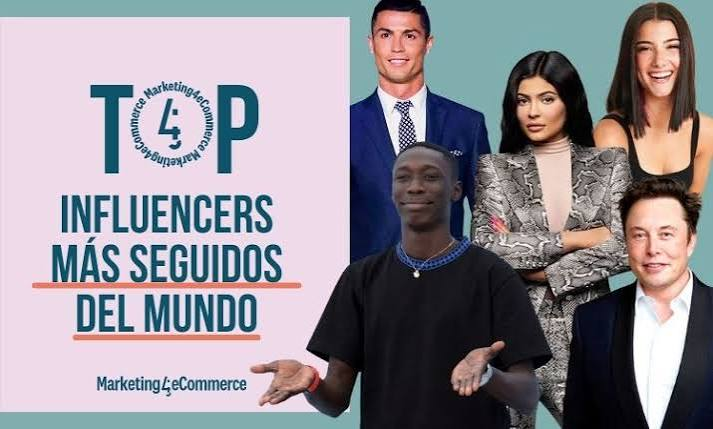
Social media has transformed how people communicate, discover products, follow trends, and consume entertainment. Today, influencers have become powerful figures who shape public conversations, introduce new ideas, and connect millions of people through digital platforms. From YouTube celebrities and TikTok biggest influencers creators to entrepreneurs, athletes, and global entertainers, the biggest influencers in the world reach audiences across different countries, cultures, and age groups.
However, identifying the biggest influencers is not simply about counting followers. Engagement, cultural impact, audience loyalty, brand partnerships, and the ability to influence public opinion are also important factors. As social media continues to evolve, several creators and public figures stand out for their extraordinary digital reach and influence.
What Makes Someone One of the Biggest Influencers?
The largest influencers generally combine a substantial audience with a recognizable personality, consistent content, and strong communication skills. They understand what their followers enjoy and create material that encourages people to watch, comment, share, and participate.
Different platforms also produce different types of influence. YouTube creators often build loyal communities through videos, challenges, and entertainment. TikTok personalities can make trends popular in a short period, while Instagram influencers frequently focus on fashion, travel, lifestyle, fitness, and business.
Influence can also extend beyond social media. Some creators launch companies, support charitable causes, collaborate with major brands, or introduce products that attract international attention. These achievements demonstrate why online popularity has become an important part of modern culture.
1. MrBeast: A Leader in Online Entertainment
Jimmy Donaldson, widely known as MrBeast, is one of the most recognizable digital creators in the world. His YouTube videos feature ambitious challenges, large-scale competitions, creative experiments, and charitable activities.
MrBeast has built an enormous audience by producing content that combines entertainment with strong storytelling. His videos often feature clear goals, unexpected developments, and impressive rewards that encourage viewers to keep watching.
Beyond YouTube, he has expanded into consumer products and other business ventures. His ability to turn online attention into recognizable brands demonstrates the growing relationship between content creation and entrepreneurship.
MrBeast’s influence comes from his distinctive video concepts, international audience, and willingness to invest in ambitious productions. He represents a new generation of creators who operate as entertainers and business leaders simultaneously.
2. Cristiano Ronaldo: A Global Sports Icon
Cristiano Ronaldo is one of the most influential athletes on social media. His international football career, recognizable personal brand, and enormous following have made him a major figure in digital culture.
Ronaldo shares football highlights, training updates, family moments, sponsorship campaigns, and glimpses into his professional life. This combination helps him connect with sports fans and general audiences around the world.
His influence extends well beyond football. Global companies collaborate with him to promote products, while his fitness routines and professional achievements inspire many aspiring athletes.
Ronaldo demonstrates how sporting success can create lasting digital influence. His international recognition allows him to reach people across linguistic and cultural boundaries.
3. Lionel Messi: Influence Beyond Football
Lionel Messi is another globally recognized footballer with a powerful online presence. His achievements, including major international and club victories, have helped him build a devoted international following.
Messi’s social media content often highlights football milestones, team celebrations, partnerships, and personal moments. His reputation for exceptional performance and his long-standing connection with supporters contribute to his broad appeal.
Brands value Messi because his public image is associated with sporting excellence and international recognition. His influence also extends to younger football fans who view him as an example of dedication and skill.
Although his content style differs from that of entertainment-focused creators, his reach demonstrates that influencers can emerge from many professional fields.
4. Khaby Lame: The Power of Simple Comedy
Khaby Lame became internationally famous through short videos that humorously respond to unnecessarily complicated life hacks. His expressive reactions and largely wordless comedy make his content accessible to viewers from different countries.
His success illustrates an important principle of digital influence: content does not always need elaborate dialogue or expensive production to attract attention. A recognizable format, clear visual humor, and consistent creativity can be equally effective.
Khaby has also worked with international brands and participated in major entertainment and promotional projects. His journey shows how a simple creative idea can become a worldwide personal brand.
5. Charli D’Amelio: A Major TikTok Personality
Charli D’Amelio rose to prominence through dance videos and short-form entertainment on TikTok. Her popularity helped demonstrate how quickly a creator can build a massive audience through emerging social media platforms.
Over time, her public activities have expanded beyond dance content to include brand partnerships, entertainment projects, and business opportunities.
Charli’s career highlights the importance of timing, audience connection, and platform-specific creativity. TikTok allows creators to reach new viewers through recommendation systems, making it possible for relatively unknown personalities to gain international recognition.
Her influence also reflects the continuing importance of younger audiences in shaping digital entertainment and consumer trends.
6. Kylie Jenner: Beauty, Fashion, and Entrepreneurship
Kylie Jenner combines social media popularity with business influence. Her online presence includes beauty products, fashion, lifestyle content, and personal updates that attract a substantial international audience.
Her ability to promote products through her own channels illustrates how social media personalities can create direct connections between content and commerce.
For businesses, influencers such as Jenner offer access to audiences that may be difficult to reach through traditional advertising alone. Her brand-building approach has also helped make influencer-led entrepreneurship a major topic in digital marketing.
Her success demonstrates that online influence can be measured through business recognition and commercial reach, not just entertainment value.
7. Selena Gomez: Entertainment and Meaningful Engagement
Selena Gomez has developed a significant digital presence through her work as a singer, actor, entrepreneur, and public figure. Her social media content reaches fans interested in music, entertainment, beauty, and personal expression.
Her influence also includes business ventures and public conversations about emotional well-being. Through her work and public communication, she connects with audiences who value both entertainment and broader social topics.
Gomez illustrates how established celebrities can use social media to maintain direct relationships with fans while introducing new projects and supporting causes they care about.
Her career demonstrates that an influencer’s impact can include cultural relevance, business development, and meaningful public engagement.
8. MrBeast’s Fellow Creators and the Rise of Digital Communities
Beyond individual superstars, numerous creators have built influential online communities. Personalities such as Mark Rober, Emma Chamberlain, and Logan Paul have attracted audiences through distinctive content styles.
Mark Rober combines science, engineering, and entertaining experiments to make educational topics accessible. Emma Chamberlain is known for conversational videos, lifestyle content, and her influence on internet culture. Logan Paul has developed a public presence through entertainment, podcasting, and business ventures.
These creators demonstrate that there is no single formula for digital success. Educational storytelling, personal authenticity, humor, and entrepreneurship can each help creators establish a recognizable identity.
Their audiences may be smaller than those of the world’s most-followed celebrities, but their influence can be especially strong within particular communities.
9. PewDiePie: An Influencer Who Helped Shape YouTube
Felix Kjellberg, known as PewDiePie, played an important role in the development of creator-led entertainment on YouTube. His gaming videos, commentary, and distinctive humor helped establish a model for independent online personalities.
Although the platform and creator landscape have changed considerably, his career remains an important example of how individual creators can build lasting relationships with viewers.
PewDiePie’s influence is connected not only to his audience but also to the broader development of YouTube culture. Many later creators adopted approaches to commentary, community participation, and personal branding that became common across the platform.
His career highlights the lasting impact that early digital pioneers can have on online entertainment.
10. MrBeast, Athletes, and Celebrities: Different Forms of Influence
The biggest influencers do not all compete in the same category. A YouTube creator may lead in video views, an athlete may dominate global recognition, and a beauty entrepreneur may have greater influence over particular purchasing decisions.
For example, Ronaldo and Messi reach international sports audiences, while MrBeast is known for large-scale digital entertainment. Kylie Jenner has strong connections with beauty and lifestyle markets, and Khaby Lame has demonstrated the worldwide appeal of visual comedy.
These differences matter when evaluating influence. A person with fewer followers may have a stronger relationship with a specific audience or greater credibility within a particular industry.
Consequently, the most useful influencer rankings consider the platform, audience demographics, engagement, and type of impact being measured.
How the Biggest Influencers Affect Businesses and Culture
Influencers have become important partners for businesses because they can introduce products through familiar and engaging content. Rather than relying exclusively on conventional advertisements, companies can work with creators who already have relationships with relevant audiences.
Successful collaborations may increase brand awareness, generate website visits, encourage product discovery, and help companies understand consumer interests. However, results depend on the creator’s audience, the quality of the partnership, and whether the promoted product is relevant.
Influencers also affect entertainment trends, fashion choices, online language, and public conversations. A viral video can introduce a new challenge, while a creator’s recommendation can bring attention to a small business or an emerging product.
At the same time, audiences benefit when influencers communicate honestly, disclose paid partnerships, and distinguish personal opinions from verified information.
The Future of Global Influencer Marketing
The influencer industry will continue changing as platforms introduce new features and audiences develop different content preferences. Short-form videos, livestreaming, podcasts, educational content, and creator-owned businesses are likely to remain important parts of the digital landscape.
Artificial intelligence may also influence how creators edit videos, analyze audience behavior, and develop new content ideas. Nevertheless, originality, credibility, and a strong connection with viewers will remain valuable.
Brands are increasingly interested in more than follower totals. Audience trust, genuine engagement, relevant expertise, and measurable campaign results can be more useful than popularity alone.
Smaller creators may therefore continue to attract business opportunities when they serve clearly defined communities and maintain meaningful relationships with their followers.
Conclusion
The biggest influencers in the world right now come from entertainment, sports, fashion, business, and educational content. MrBeast, Cristiano Ronaldo, Lionel Messi, Khaby Lame, Charli D’Amelio, Kylie Jenner, and Selena Gomez illustrate the different ways people can build international recognition through digital platforms and public achievements.
There is no single ranking that perfectly captures global influence. Follower counts change, platforms develop, and individual creators become popular in different communities. A meaningful assessment should consider reach, engagement, cultural relevance, business impact, and audience trust.
Ultimately, the most successful influencers do more than attract attention. They create recognizable content, build relationships with audiences, and use their platforms to shape conversations, introduce ideas, and influence the digital experiences of millions of people worldwide.
Add a Clear Ranking MethodologyReplace the Redundant Section Ten