Flood Damage Cleanup: Step-by-Step Guide for Homeowners
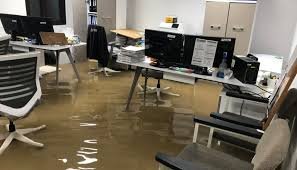
Flooding can be one of the most stressful events a homeowner faces. From rising waters to soaked belongings, the aftermath of a flood requires prompt and effective action to minimize damage. Understanding the process of flood damage cleanup is crucial for ensuring your home is safe, habitable, and restored properly. This guide walks you through the essential steps every homeowner should take when tackling flood damage cleanup.
Assessing the Damage Safely
Before entering a flooded area, safety is the top priority. Floodwaters can contain electrical hazards, sewage, or debris that can cause injuries. Make sure the electricity and gas supply are turned off before stepping inside. Wear protective gear, including waterproof boots, gloves, and masks. Take photographs of the damage for insurance purposes before moving or discarding any items.
Start by evaluating which areas of your home are affected most. Check walls, floors, furniture, and personal belongings. Understanding the extent of the flooding helps you prioritize cleanup efforts and identify items that can be salvaged. Immediate assessment also informs whether you need professional assistance for certain aspects of flood damage cleanup.
Removing Water Quickly
One of the most critical steps in flood damage cleanup is removing standing water. The longer water remains, the greater the risk of structural damage and mold growth. For small amounts of water, mops, buckets, and wet/dry vacuums may suffice. For larger volumes, consider renting or purchasing pumps designed to handle floodwater.
Make sure to remove water gradually to prevent structural shifts or additional damage. Drainage should direct water away from the house. Be aware that floodwater often carries contaminants, so dispose of it safely according to local guidelines.
Drying and Dehumidifying
Once water is removed, thorough drying is essential. Open windows and doors if weather permits to allow ventilation. Use fans and dehumidifiers to accelerate the drying process. Water can seep into hidden spaces like wall cavities and under flooring, so it’s important to ensure all areas are completely dry. Moisture meters can help detect damp areas that are not visibly wet.
Rapid drying helps prevent mold, which can start developing within 24 to 48 hours after flooding. Mold can pose serious health risks and further damage your property, making this stage of flood damage cleanup crucial.
Cleaning and Disinfecting
Floodwaters often contain bacteria, sewage, or chemicals. Cleaning all surfaces thoroughly is necessary to prevent illness and contamination. Use appropriate cleaning agents for different materials; a bleach solution is commonly recommended for disinfecting hard surfaces. Soft furnishings like carpets, rugs, and mattresses that have been submerged may need to be discarded, as they are difficult to disinfect fully.
When cleaning, wear protective equipment and follow safety guidelines. Focus on areas that may come in contact with children or pets. Don’t overlook hidden spaces such as behind cabinets, under sinks, and inside closets, as they can harbor bacteria and contribute to lingering odors.
Salvaging Belongings
During flood damage cleanup, homeowners often face the difficult task of determining what can be saved. Wooden furniture may warp or crack if soaked, while electronics exposed to water may require professional evaluation. Important documents should be dried carefully and stored in a safe place.
Some items can be restored through specialized services like dry cleaning, freeze-drying, or professional restoration. Prompt attention increases the chances of salvaging personal belongings while minimizing long-term damage.
Repairing Structural Damage
Flooding can weaken a home’s structural integrity. Inspect walls, flooring, foundations, and roofing for damage. Depending on the severity, repairs may involve replacing drywall, sanding and refinishing wood, or hiring professionals for structural restoration. Addressing these issues quickly prevents further deterioration and potential safety hazards.
If you notice cracks, sagging, or other signs of serious damage, consult a professional restoration company. Ignoring structural issues can lead to costly repairs and ongoing problems such as mold or foundation instability.
Preventing Mold and Mildew
Even after thorough cleaning, residual moisture can lead to mold and mildew. Keep monitoring the affected areas for signs of growth. Use mold-resistant products when repairing or replacing materials. Dehumidifiers and good ventilation are essential for long-term prevention.
Regular inspections during the weeks following the flood help ensure your home remains mold-free. Promptly addressing any damp spots reduces health risks and preserves the value of your property.
Documenting for Insurance Claims
Throughout the flood damage cleanup process, maintain detailed records of all actions taken. Photographs, receipts for cleanup supplies, and professional service invoices are essential for filing insurance claims. Clear documentation can speed up the claims process and ensure that you receive adequate compensation for repairs and losses.
Insurance companies often require proof of proactive cleanup measures, so keeping thorough records demonstrates that you took responsible steps to mitigate damage.
Hiring Professional Help When Needed
While many homeowners can manage minor flooding themselves, significant water intrusion often requires professional assistance. Restoration companies have the equipment, expertise, and experience to handle extensive flood damage cleanup safely and efficiently. They can address hidden moisture, structural concerns, and mold remediation that might be beyond typical homeowner capabilities.
Choosing a reputable flood damage cleanup service ensures your home is restored to its pre-flood condition and reduces the likelihood of ongoing issues. Research local companies, check reviews, and confirm certifications before hiring.
Preparing for Future Floods
After completing the flood damage cleanup, consider steps to reduce future flood risks. Elevate appliances and electrical systems, install sump pumps, seal foundation cracks, and improve drainage around your property. Being proactive can minimize damage and disruption if flooding occurs again.
Homeowners can also develop an emergency plan, including evacuation routes, important documents, and safety measures to follow during a flood. Proper preparation enhances safety and reduces stress in the event of another flood.
Conclusion
Flood damage cleanup is a challenging but essential process for homeowners. From safely assessing the damage to drying, disinfecting, and repairing, each step requires attention and diligence. Prompt action reduces health risks, prevents structural deterioration, and helps salvage valuable possessions. By following this step-by-step guide, homeowners can navigate flood recovery with confidence and protect their homes from long-term damage. Prioritizing safety, thoroughness, and preventive measures ensures that your property is restored effectively and is better prepared for future flooding.
This comprehensive approach to flood damage cleanup empowers homeowners to act decisively while protecting their families and investments.