Disaster Pros: A Complete Guide to Professional Cleanup and Property Recovery
Property damage can happen unexpectedly, leaving homeowners and business owners facing stressful situations that require immediate attention. Whether the problem involves water damage, fire Disaster Pros and smoke, severe weather, mold, or a hazardous incident, restoring a property safely requires careful planning and specialized knowledge. Professional cleanup teams help property owners manage these challenges by addressing damage, reducing potential health risks, and supporting the recovery process. Understanding how Disaster Pros and professional restoration services work can help individuals make informed decisions when unexpected property damage occurs.
Understanding Professional Disaster Cleanup Services
Disaster cleanup involves more than removing visible debris or cleaning damaged surfaces. Depending on the incident, a property may contain hidden moisture, smoke residue, contaminated materials, structural weaknesses, or other hazards that require professional assessment.
A professional cleanup team evaluates the affected areas, identifies immediate concerns, and develops a suitable restoration plan. The process may include removing damaged materials, cleaning surfaces, controlling moisture, eliminating odors, and coordinating necessary repairs.
Every disaster presents different challenges. For example, a flooded basement requires a different approach from a property affected by fire or a hazardous contamination incident. Professional teams adapt their methods to the specific conditions of the building, helping ensure that restoration work addresses both visible and less obvious problems.
Common Situations That Require Disaster Restoration
Property emergencies can affect residential, commercial, and industrial buildings. Recognizing the type of damage helps property owners understand which professional services may be necessary.
Water Damage and Flood Cleanup
Water damage can result from burst pipes, leaking appliances, roof failures, overflowing fixtures, or severe storms. Even when standing water is removed quickly, moisture can remain inside walls, flooring, insulation, and other building materials.
Professional restoration services may use water extraction equipment, commercial drying systems, and moisture detection tools to evaluate and dry affected areas. Technicians also inspect materials for signs of deterioration and assess whether damaged components require removal or replacement.
Prompt attention is important because prolonged moisture can contribute to mold growth, unpleasant odors, and additional structural problems.
Fire and Smoke Damage Restoration
Fire can damage a building through flames, heat, smoke, and the residue left behind after an incident. Smoke particles may travel into rooms that were not directly affected by the fire, settling on walls, furniture, fabrics, and ventilation components.
Professional cleanup teams assess the extent of the damage and determine which materials can be cleaned and which require replacement. Appropriate cleaning methods can help address soot, lingering odors, and smoke residue.
Restoration may also involve coordinating structural repairs, ventilation cleaning, and the replacement of damaged building components.
Mold Assessment and Remediation
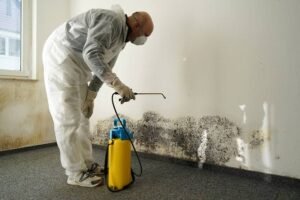
Mold can develop when moisture remains in a building for an extended period. Leaks, condensation, flooding, and inadequate ventilation can create conditions that support its growth.
Professional remediation focuses on identifying moisture sources, containing affected areas when appropriate, and removing or treating contaminated materials using suitable procedures. Correcting the underlying moisture problem is essential to reducing the likelihood of recurring growth.
Property owners should avoid disturbing extensive mold growth themselves, particularly when the affected area or potential health risks are uncertain.
Biohazard and Specialized Cleanup
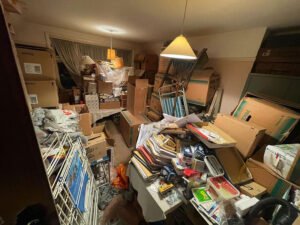
Certain incidents may leave biological contamination or other hazardous materials that ordinary household cleaning methods cannot safely address. Specialized cleanup services assess the hazards and use appropriate protective equipment, containment measures, and disposal procedures.
These situations require discretion, careful handling, and respect for the people affected. Qualified professionals help make the environment safer while following applicable health, safety, and waste-management requirements.
The Professional Property Recovery Process
A structured restoration process helps property owners understand what happens after a disaster and what to expect during recovery.
1. Initial Assessment and Safety Evaluation
The first step is evaluating the property and identifying immediate hazards. Depending on the situation, these may include unstable structures, electrical risks, contaminated water, smoke residue, or damaged utility systems.
Professionals determine which areas can be accessed safely and whether emergency measures are needed. Property owners should follow instructions from emergency services and qualified personnel rather than entering unsafe buildings.
2. Damage Documentation
Accurate documentation helps establish the scope of the damage and supports communication with insurance providers. Restoration professionals may record affected rooms, damaged materials, visible conditions, and the work required.
Photographs, inspection notes, and itemized estimates can help property owners understand the restoration plan. When an insurance claim is involved, owners should retain relevant records and coordinate with their insurer regarding documentation requirements.
3. Containment and Debris Removal
Once the immediate hazards have been addressed, cleanup teams begin removing debris and managing damaged materials. The appropriate procedure depends on the type of incident and the condition of the property.
Containment may be necessary to prevent dust, contaminants, or other harmful materials from spreading into unaffected areas. Specialized waste must be handled and disposed of according to applicable regulations.
4. Cleaning, Drying, and Decontamination
This stage focuses on making affected areas suitable for further restoration. Depending on the damage, it may involve water extraction, structural drying, soot removal, surface cleaning, odor treatment, or specialized decontamination.
Professionals select equipment and cleaning methods based on the materials involved and the hazards identified during the assessment. Appropriate monitoring can help determine whether additional drying or cleaning is necessary.
5. Repairs and Reconstruction
After cleanup and mitigation, damaged building components may need repair or replacement. Work can range from replacing sections of drywall and flooring to completing more extensive structural reconstruction.
Coordination between restoration technicians, contractors, property owners, and insurers can make this stage easier to manage. Before reconstruction begins, the underlying source of damage should be addressed whenever possible.
6. Final Inspection and Recovery Planning
The final stage involves reviewing completed work, identifying outstanding concerns, and confirming that agreed restoration tasks have been addressed. Depending on the incident, additional inspections or specialized testing may be appropriate.
Property owners should receive a clear explanation of completed services, remaining repairs, and any recommended preventive measures. This helps them make informed decisions about returning to normal use of the building.
Why Professional Cleanup Services Matter
Attempting to manage major property damage without appropriate training can create additional problems. Some hazards are not immediately visible, and unsuitable cleaning techniques may spread contamination or damage materials further.
Professional services offer several important advantages.
Specialized equipment: Industrial drying systems, moisture meters, air filtration equipment, and appropriate cleaning tools help technicians address different forms of damage.
Safety-focused procedures: Trained teams assess hazards, use suitable protective equipment, and follow procedures designed to reduce exposure risks.
Efficient project coordination: A clear restoration plan helps organize cleanup, drying, repairs, and communication between the people involved.
Damage prevention: Prompt mitigation can reduce the likelihood of secondary problems, although outcomes depend on the severity and duration of the damage.
Documentation and communication: Detailed records and regular updates help property owners understand the work being completed and plan their next steps.
How to Choose the Right Disaster Cleanup Company
Selecting a suitable restoration provider is an important decision, especially when a property emergency creates pressure to act quickly. Property owners should evaluate a company’s qualifications, services, safety practices, and communication standards.
Start by confirming that the provider has relevant experience with the specific type of damage involved. Ask about licensing requirements in the local area, staff training, insurance coverage, and any applicable industry certifications.
It is also helpful to request a written scope of work that explains the proposed services, estimated costs, and any exclusions. A reliable provider should communicate clearly about what can be restored, what may need replacement, and which issues require further inspection.
Ask whether the company can coordinate emergency mitigation and subsequent repairs or whether separate contractors will be needed. Understanding these arrangements in advance can help prevent confusion during the recovery process.
Finally, review available customer feedback and ask how the company documents its work. Be cautious of unrealistic promises, unexplained fees, or pressure to sign agreements before you understand their terms.
Preventing Future Property Damage
Although not every disaster can be prevented, routine maintenance can reduce certain risks. Property owners should inspect plumbing connections, maintain roofs and gutters, monitor areas prone to moisture, and address leaks promptly.
Smoke alarms should be installed and maintained according to applicable safety recommendations. Electrical systems and heating equipment should receive appropriate professional attention, while emergency exits and essential safety equipment should remain accessible.
Businesses can benefit from written emergency plans, regular staff training, and clear procedures for reporting damage. Homeowners may also consider keeping important documents, emergency contacts, and insurance information in a secure location.
Following restoration, professionals may recommend additional ventilation improvements, moisture monitoring, drainage repairs, or other preventive measures based on the property’s condition.
Conclusion
Disaster Pros: A Complete Guide to Professional Cleanup and Property Recovery highlights the importance of a structured, safety-focused approach to property restoration. From water and fire damage to mold remediation and specialized biohazard cleanup, professional services help property owners address hazards, manage damaged materials, and plan necessary repairs.
Choosing a qualified cleanup provider, documenting the damage, and responding promptly can make the recovery process more manageable. Combined with regular property maintenance and practical emergency planning, professional restoration services can help homeowners and businesses move toward a safer, cleaner, and more functional environment after an unexpected disaster.