Unlocking the Power of Rhythm: Educational Strategies for Musicians
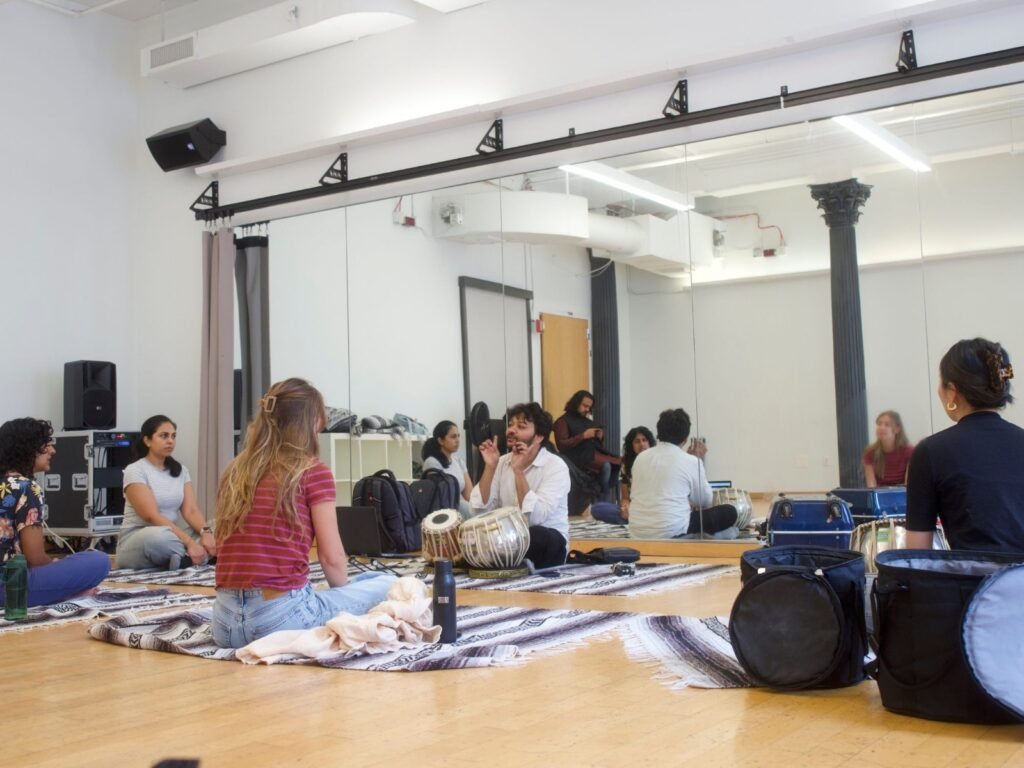
Rhythm is the heartbeat of music. For musicians, mastering rhythm is not just a matter of keeping time—it shapes phrasing, informs expression, and drives ensemble cohesion. In Western conservatories, rhythm is often taught through structured exercises, sight-reading, and ensemble practice. Yet, many Western-trained musicians are now discovering the richness of rhythm in Indian classical traditions, particularly through instruments like the tabla. For those interested, learning rhythm in depth can be as accessible as choosing to learn tabla in New York, where a vibrant community of teachers and students bridges these traditions.
Understanding rhythm begins with a strong conceptual foundation. In Western pedagogy, students are introduced to metric structures, from simple duple and triple meters to complex time signatures. Sight-reading exercises focus on subdividing beats and accurately articulating patterns. These exercises train both the mind and the body to internalize pulse, essential for solo and ensemble work. In Indian classical music, rhythm—known as tala—is similarly rigorous, but it emphasizes cyclical patterns, improvisation, and intricate subdivisions. The tabla offers a practical, tactile way to explore these ideas. Students who combine Western training with tabla practice gain a multidimensional understanding of timing, phrasing, and rhythmic interplay.
Technique is central to mastering rhythm. Western percussionists often begin with hand drills, stick control, and rudimentary patterns. Precision, dynamics, and articulation are emphasized to develop clean execution. Tabla training parallels this through the study of bols—syllables representing specific strokes. Each bol has a distinct sound and requires careful hand placement and pressure. Practicing these patterns builds not only dexterity but also a deeper awareness of rhythmic nuance. By learning tabla in New York, students can access skilled instructors who integrate these methods with Western technical frameworks, enhancing both skill sets.
Ensemble experience is another crucial component of rhythm education. Playing with others teaches musicians to synchronize, anticipate phrasing, and respond to spontaneous changes. In conservatories, students often perform in chamber groups or orchestras, focusing on metronomic accuracy and dynamic balance. Similarly, in Indian classical music, the tabla functions as both a solo and accompanying instrument. It interacts with melodic instruments, dancers, and vocalists, emphasizing listening, responsiveness, and improvisation. Musicians who immerse themselves in both traditions cultivate adaptability, learning to navigate strict metrical grids as well as fluid, expressive cycles.
Performance practice solidifies theoretical and technical knowledge. Musicians benefit from opportunities to present what they have learned in both formal recitals and informal workshops. Western conservatories often structure performance curricula around graded levels and juried examinations, providing measurable progression. Tabla performance follows a similar philosophy, with systematic training in compositions called kaidas, relas, and tihai patterns. Each offers increasing complexity, reinforcing memory, dexterity, and interpretive skill. Engaging in performance, whether solo or in collaboration, allows students to internalize rhythm rather than merely intellectualize it. Opportunities to learn tabla in New York often include community concerts and masterclasses, offering practical exposure to performance contexts.
Progression in rhythm education should be intentional and structured. In Western curricula, students advance from simple rhythmic patterns to polyrhythms and irregular meters, often integrating theoretical analysis alongside practice. Indian rhythmic pedagogy encourages similar progression but emphasizes oral transmission and improvisation. Starting with fundamental bol sequences, students gradually tackle more complex compositions and improvisational exercises. By blending these approaches, musicians gain a comprehensive skill set: the analytical rigor of Western methods combined with the fluid expressivity of Indian tradition.
Incorporating rhythm into broader musical study enhances overall musicianship. Sight-reading, aural skills, and improvisation all benefit from rhythmic proficiency. Musicians trained in both Western and Indian frameworks can approach rhythm as a language, capable of nuanced expression and dialogue with other performers. This holistic perspective fosters creativity and versatility, allowing musicians to navigate diverse genres with confidence. For those seeking such enrichment, the ability to learn tabla in New York offers a practical gateway to immersive rhythm study without leaving the city’s rich musical landscape.
Educational strategies for rhythm also extend to cognitive and physical training. Practicing rhythmic patterns engages neural pathways related to timing, memory, and coordination. Physical conditioning, such as hand and wrist exercises for percussionists, enhances endurance and precision. Combining these techniques with tabla practice cultivates a comprehensive skill set. The tabla’s emphasis on subtle variations in hand movement and pressure complements Western technique, encouraging musicians to refine both micro and macro aspects of rhythm.
Technology can also augment rhythm education. Metronomes, recording devices, and rhythm training apps allow musicians to practice with accuracy and receive feedback on timing, dynamics, and consistency. In addition, online resources, including tutorials and interactive lessons, make it easier than ever to access tabla instruction from anywhere. Students interested in a hybrid approach can benefit from combining structured conservatory training with focused tabla study to achieve rhythmic mastery.
Ultimately, unlocking the power of rhythm requires dedication, structured practice, and openness to cross-cultural exploration. Musicians who pursue both Western and Indian rhythmic traditions develop versatility, precision, and expressive range. By integrating techniques, ensemble experiences, performance opportunities, and progressive learning strategies, they cultivate a profound musical fluency. The option to learn tabla in New York exemplifies how tradition and innovation intersect, offering musicians a unique path to mastering rhythm in a globalized musical environment.
Through careful study, practical application, and cultural engagement, rhythm becomes more than a mechanical skill—it becomes a conduit for artistic expression, communication, and creativity. Musicians who embrace these educational strategies gain not only technical mastery but also the ability to connect deeply with their audience and fellow performers. By approaching rhythm with the same rigor as melody and harmony, and by exploring the richness of tabla alongside Western techniques, musicians unlock a world of possibilities, enhancing their craft and expanding the boundaries of their musical expression.