The Best Online TEFL Course for South Africans with No Degree: What to Look For
Teaching English as a Foreign Language (TEFL) is one of the most accessible avenues for South Africans who want to work abroad or online, even if they don’t have a university degree. With the rise of digital learning, there are many online TEFL courses promising certification, flexibility, and job prospects. However, not all courses are created equal, and choosing the best online TEFL course can be confusing—especially when you’re balancing quality with cost. In this article, we’ll walk through what to look for in an online TEFL course, how to evaluate options, and how to make the most informed decision while considering the cost of TEFL certification in South Africa.
Why South Africans without a Degree Should Consider a TEFL Certification
An online TEFL certification opens doors to a wide range of teaching opportunities both abroad and online. For South Africans without a degree, TEFL can be a valuable credential that signals to employers you have the training necessary to teach English effectively. Many reputable online courses don’t require a degree, allowing you to build confidence and skill before stepping into the classroom—virtual or physical.
The global demand for English teachers remains strong, especially in Asia, Latin America, and Europe. And thanks to remote teaching platforms, you can connect with students all over the world while living in South Africa.
What Defines a Quality Online TEFL Course
Choosing the best online TEFL course means looking beyond flashy marketing and low prices. Here are the key features that separate high-quality TEFL programs from mediocre ones:
Accredited by Recognised Bodies
A reputable TEFL course should be accredited by respected international bodies. Accreditation ensures that the curriculum meets established standards and that employers will recognise your certification. Accreditation bodies vary, but trusted ones include AQC, TQUK, and ACCREDITAT. Always verify the status of the accrediting organisation before enrolling.
Minimum of 120 Hours
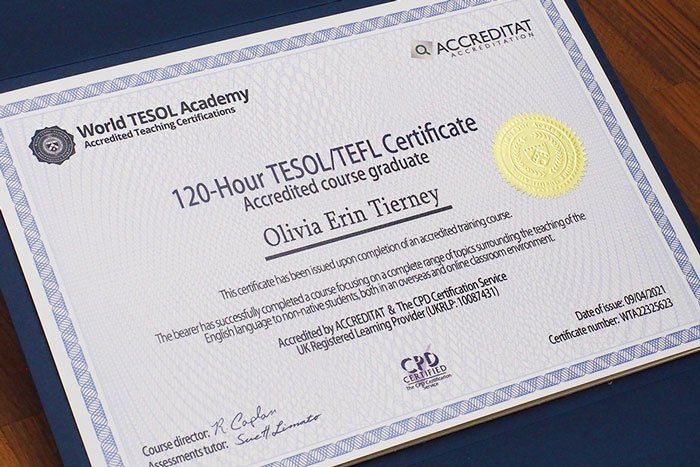
The accepted industry standard for entry-level TEFL certification is 120 hours of training. Courses with fewer hours are less likely to provide comprehensive teaching skills and may be less valued by employers. A good 120-hour course covers lesson planning, grammar instruction, classroom management, and language skills development.
Practical Teaching Components
Look for courses that include practical components, such as observed teaching practice or opportunities to teach real students. While not all online TEFL courses offer in-person practice, the best ones will provide supervised practice teaching through virtual classrooms. This hands-on experience is invaluable when it comes to job placement.
Strong Job Support
A TEFL certification is just the first step; landing a teaching job is the ultimate goal. Exceptional courses offer job support services such as resume reviews, interview preparation, and connections to reputable employers. Some even have job fairs and employer partnerships that can help graduates find positions faster.
Clear Curriculum and Student Support
The best online TEFL courses have structured, easy-to-navigate curricula and offer support from tutors or mentors. If a course leaves you on your own without guidance, it’s less likely to equip you with the confidence and skills you need. Reliable support options include email help, discussion forums, and one-on-one tutoring.
Balancing Quality with the Cost of TEFL Certification in South Africa
For many South Africans, the cost of TEFL certification is a major consideration. Prices for accredited online TEFL courses can range widely—from a few hundred to over a thousand US dollars. It’s important to weigh the cost of TEFL certification in South Africa against the benefits and long-term return on your investment.
Understanding Typical Costs
- Budget Options: These courses might cost between $200–$400 (approximately R3 500–R7 000), but may lack accreditation or comprehensive support.
- Mid-Range Accredited Courses: Typically between $400–$800 (about R7 000–R14 000), these are often quality programs with accreditation, a full 120-hour curriculum, and some job support.
- Premium Courses: Over $800 (R14 000+), these often include lots of tutor support, teaching practice, and extensive job services.
Keep in mind that the cheapest course isn’t always the worst, and the most expensive course isn’t always the best for your goals. Focus on value: accreditation, hours, support, and job assistance should guide your decision more than price alone.
Budgeting as a South African Student
If the cost of TEFL certification in South Africa feels overwhelming, consider these strategies:
- Payment Plans: Some providers allow you to pay in instalments.
- Scholarships and Discounts: Look for promotions, early-bird discounts, or scholarships for South African applicants.
- Employer Reimbursement: If you’re already working in education, your employer may sponsor your TEFL training.
- Savings Plans: Spread the cost over a few months to lessen the financial burden.
Red Flags to Watch Out For
When comparing online TEFL courses, beware of the following warning signs:
Lack of Accreditation
If a course claims to be “international” but doesn’t specify accrediting bodies, that’s a red flag. A legitimate course will prominently list its accreditor and usually provide a link to verify its status.
Unrealistically Low Prices
Courses priced far below the industry norm may skimp on content or accreditation. While affordability is good, extremely cheap TEFL certificates often hold little weight with employers.
No Contact with Instructors
Courses that are entirely self-paced with zero instructor support can leave you confused and unprepared. A quality TEFL course should have qualified tutors available to answer questions.
No Job Support
A course that doesn’t help graduates find work may leave you certified but stranded. Job placement services are a strong indicator of a course’s commitment to your long-term success.
Choosing a Course That Fits Your Goals
The “best” online TEFL course ultimately depends on what you want to achieve:
- Teach Online: Some courses specialise in online teaching tools and virtual classroom management.
- Teach Abroad: If you want to work overseas, especially in countries that require certifications recognised globally, accreditation and job support should be top priorities.
- Gain Practical Skills: Courses with observed teaching practice give you real classroom experience that is attractive to employers.
Before enrolling, ask yourself:
- Where do I want to teach?
- Do I need in-depth support and tutoring?
- How quickly do I want to complete the course?
- What is my budget considering the cost of TEFL certification in South Africa?
Conclusion
Choosing the best online TEFL course as a South African without a degree can be overwhelming, but with a clear understanding of what to look for—accreditation, course hours, practical components, tutor support, and job assistance—you can make a confident decision. While the cost of TEFL certification in South Africa varies, focusing on value rather than price alone ensures you invest in a course that truly prepares you for success.