Signs of Mold in Air Ducts and How to Clean It
Mold in your home’s air ducts is more than just an unpleasant sight or smell—it can have serious health implications and affect your HVAC system’s efficiency. Recognizing the signs of mold early and knowing how to clean it properly is essential for maintaining a healthy living environment. Air duct cleaning plays a critical role in this process, helping ensure that your indoor air remains clean and safe.
Common Signs of Mold in Air Ducts
Detecting mold in air ducts can be tricky because most of it is hidden inside the system. However, there are several warning signs that homeowners can look out for:
Unpleasant Odors
A musty or damp smell is often the first noticeable indicator of mold. If you notice a persistent, earthy odor whenever your heating or cooling system runs, it could mean that mold has started to grow inside your air ducts.
Visible Mold Growth
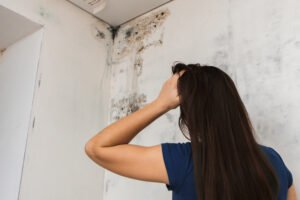
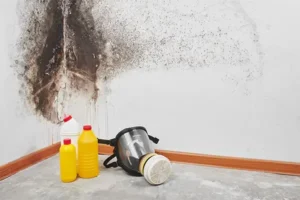
In some cases, mold can be seen at the vents or on accessible parts of the ductwork. Mold often appears as black, green, or white fuzzy spots. While seeing mold directly is less common, even small patches can indicate a larger problem hidden deeper in the system.
Increased Allergic Reactions
Mold spores circulating through your HVAC system can trigger allergies or respiratory issues. If you or your family members experience increased sneezing, coughing, watery eyes, or asthma symptoms when indoors, it could be linked to mold in your ducts.
Excessive Dust or Dirt
While dust is normal in any home, unusually heavy accumulation around vents can indicate mold growth. Mold can mix with dust and circulate through your air system, increasing the amount of particulate matter in your home.
Moisture or Water Damage
Since mold thrives in damp environments, signs of water leakage or condensation around ductwork or your HVAC system can signal a mold problem. Look for rust, corrosion, or water stains near vents or ducts.
Health Risks of Mold in Air Ducts
Mold spores can have serious health consequences, especially for sensitive individuals. Prolonged exposure can lead to:
- Respiratory issues such as coughing, wheezing, or shortness of breath
- Allergic reactions like sneezing, nasal congestion, or skin rashes
- Exacerbation of asthma symptoms
- Headaches and fatigue
It’s important to address mold in air ducts promptly to protect the health of everyone in your household.
How to Clean Mold from Air Ducts
Proper air duct cleaning is essential for removing mold and preventing future growth. Depending on the extent of the mold, you may choose to hire a professional or handle minor cases yourself.
Safety Precautions
Before beginning any cleaning, ensure you take necessary safety steps:
- Wear protective gear such as gloves, goggles, and an N95 mask to prevent exposure to mold spores.
- Turn off your HVAC system to prevent the spread of spores throughout your home.
- Seal off rooms or areas to contain mold spores during cleaning.
DIY Mold Cleaning
For small areas of mold, homeowners can take action using these steps:
- Remove and Clean Vents and Covers – Unscrew vents and clean them with soap, water, and a mixture of water and vinegar or a mild disinfectant.
- Vacuum Ducts – Use a vacuum with a HEPA filter to remove loose mold spores and debris. Avoid spreading spores deeper into the system.
- Wipe Accessible Areas – Duct surfaces that are reachable can be wiped down with a mold-cleaning solution. Use a microfiber cloth dampened with water and detergent or vinegar.
- Dry Thoroughly – Ensure all cleaned surfaces are completely dry to prevent mold from returning.
Professional Air Duct Cleaning
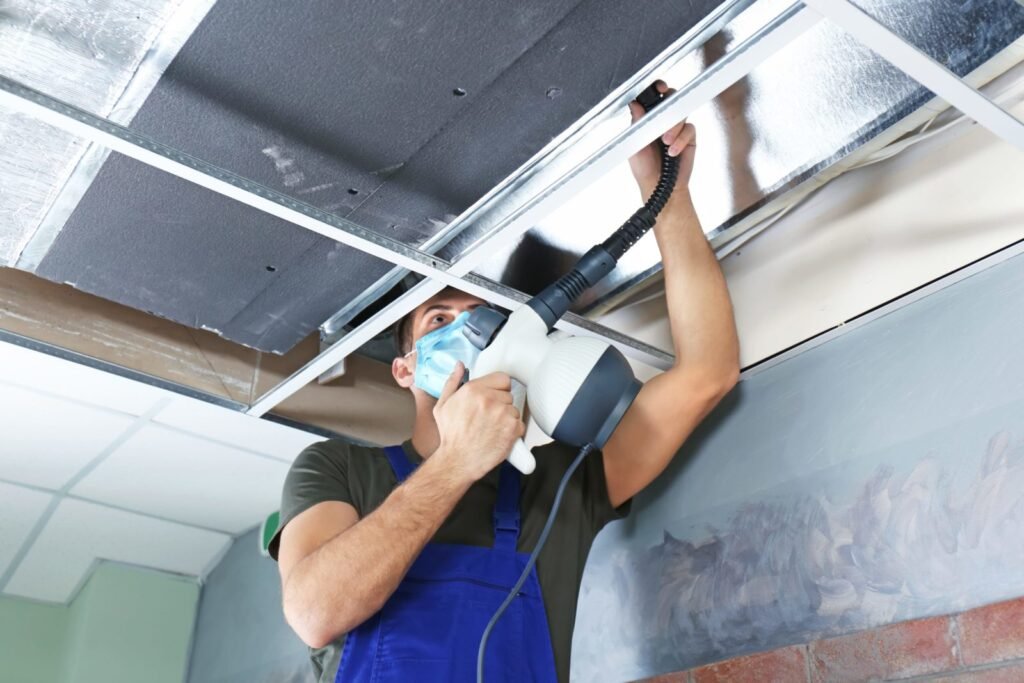
In cases where mold growth is extensive or located deep inside the ductwork, professional air duct cleaning is recommended. Certified technicians use specialized equipment such as high-powered vacuums, brushes, and antimicrobial treatments to remove mold safely and thoroughly. Professional services also often include inspection, sealing, and maintenance to prevent future outbreaks.
Preventive Measures
After cleaning, preventing mold from returning is key:
- Control Moisture – Ensure your home is well-ventilated and fix any leaks or condensation issues promptly.
- Replace Filters Regularly – Change HVAC filters at least every 1–3 months to reduce dust and mold buildup.
- Schedule Regular Air Duct Cleaning – Periodic air duct cleaning helps maintain a clean system and reduces the likelihood of mold growth.
- Monitor Humidity Levels – Keep indoor humidity between 30–50% using dehumidifiers if necessary.
When to Call a Professional
While minor mold can be handled by homeowners, certain situations always require professional intervention:
- Mold covers more than 10 square feet of your ductwork
- Mold is present inside the HVAC system components, such as the coils or blower
- You have persistent health issues linked to mold exposure
- You are unsure about the severity of the contamination
Professional air duct cleaning ensures the mold is removed safely and efficiently, protecting both your health and the integrity of your HVAC system.
Conclusion
Mold in air ducts is a serious issue that can affect your home’s air quality, your HVAC system, and your family’s health. Recognizing the signs, such as musty odors, visible mold, increased allergies, excessive dust, and moisture problems, is the first step in addressing the problem. Effective air duct cleaning, whether DIY for small areas or professional for extensive growth, is essential to eliminate mold and prevent future issues. By staying vigilant and maintaining regular air duct cleaning schedules, homeowners can ensure their indoor air remains healthy, safe, and comfortable year-round.
Air duct cleaning is not just a routine task—it’s an investment in a healthier home and a more efficient HVAC system. Addressing mold promptly protects both your family and your property, making it an essential part of home maintenance.