How Key Sectors Rely on CNC Precision Machining for High-Quality Production
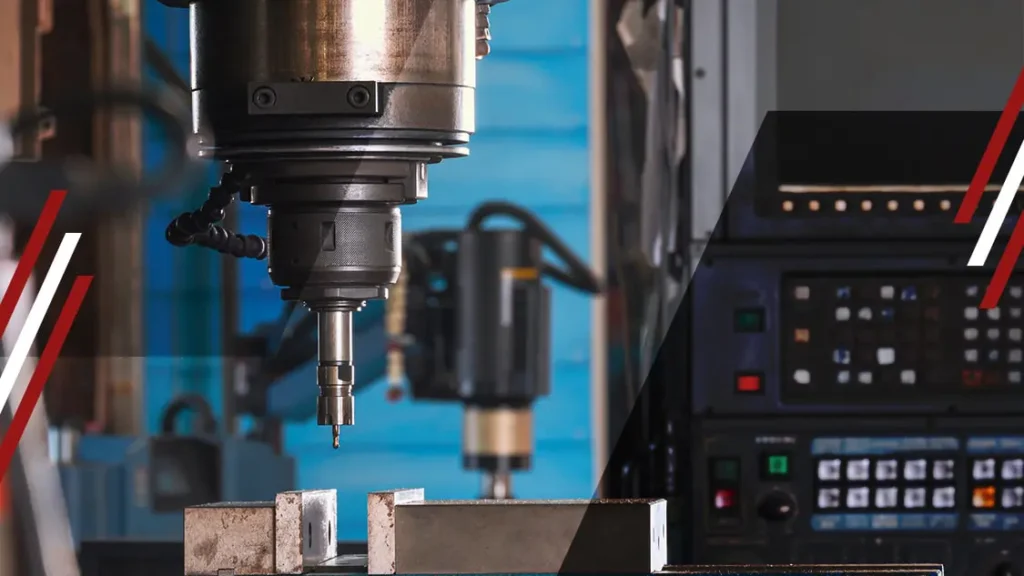
CNC precision machining has revolutionized modern manufacturing by providing unparalleled accuracy, consistency, and efficiency. As industries demand components that meet tight tolerances and strict quality standards, CNC precision machining has become a cornerstone technology, enabling manufacturers to deliver complex parts with minimal errors. Its applications span across diverse sectors, each leveraging the technology to enhance productivity, reduce costs, and improve product quality.
Aerospace Industry
The aerospace industry is one of the primary sectors that relies heavily on CNC precision machining. Aircraft and spacecraft components require extremely tight tolerances due to the high-performance demands of aviation. Parts such as turbine blades, engine components, landing gear parts, and structural elements must endure extreme temperatures, pressures, and mechanical stresses. CNC precision machining allows aerospace manufacturers to produce these components with exceptional precision and consistency, ensuring safety and performance. The ability to work with high-strength materials like titanium and Inconel further highlights the technology’s significance in aerospace applications.
Automotive Industry
The automotive sector also benefits immensely from CNC precision machining. Modern vehicles consist of thousands of individual components, many of which require precise dimensions and tight tolerances. CNC precision machining is used to manufacture engine components, transmission parts, braking systems, and suspension components. By utilizing CNC technology, automotive manufacturers can achieve higher accuracy, reduce production time, and maintain consistency across large production runs. Additionally, CNC machining supports the production of prototypes, enabling automotive engineers to test and refine designs before mass production.
Medical and Healthcare Industry
Medical device manufacturing is another field where CNC precision machining plays a crucial role. Surgical instruments, orthopedic implants, prosthetics, and dental devices require precise dimensions and biocompatible materials. CNC precision machining allows for the production of complex geometries that are essential for modern medical applications. It ensures that each component meets stringent regulatory standards and performs reliably in critical medical situations. The ability to customize parts for individual patients, such as custom implants, further emphasizes the value of CNC machining in healthcare.
Electronics Industry
The electronics industry demands small, intricate, and highly precise components, making CNC precision machining indispensable. Components such as heat sinks, enclosures, circuit board housings, and connectors often require high precision to ensure proper functionality. CNC machining allows manufacturers to produce these parts with tight tolerances and repeatability, which is essential for modern electronic devices. Furthermore, CNC precision machining supports rapid prototyping, helping electronics companies develop and test new products efficiently.
Defense and Military Applications
Defense and military sectors require components that meet rigorous standards for durability, performance, and reliability. CNC precision machining is used to manufacture weapon systems, vehicle components, communication equipment, and critical machinery parts. The ability to work with high-strength metals and alloys ensures that military components can withstand extreme conditions. CNC machining also supports rapid production and replacement of parts, which is vital for maintaining operational readiness in defense applications.
Energy and Power Generation
The energy sector, including oil and gas, renewable energy, and power generation, relies on CNC precision machining to produce critical components for turbines, pumps, valves, and drilling equipment. These components often operate under high pressure and extreme temperatures, requiring precise machining to prevent failures and ensure efficiency. CNC precision machining enables energy companies to manufacture reliable components that enhance performance, reduce downtime, and extend equipment life. The ability to work with a variety of metals and composites makes CNC machining suitable for diverse energy applications.
Industrial Machinery and Equipment
Industrial machinery and equipment manufacturing heavily depend on CNC precision machining for producing high-quality, durable components. Gears, shafts, bearings, molds, and dies are examples of parts that require precise tolerances for optimal performance. CNC machining ensures that machinery components fit perfectly and function smoothly, reducing wear and improving operational efficiency. By enabling the production of both standard and custom parts, CNC machining supports the versatility and innovation required in industrial equipment manufacturing.
Robotics and Automation
Robotics and automation industries also benefit from CNC precision machining due to the complex and precise nature of robotic components. Parts such as joints, actuators, frames, and sensor housings need high accuracy to ensure reliable and smooth operation. CNC precision machining allows manufacturers to produce these parts with consistent quality, supporting the growth of automation technologies in various sectors. Additionally, CNC machining enables rapid iteration of designs, facilitating advancements in robotics development.
Defense of Intellectual Property and Prototyping
Beyond mass production, CNC precision machining is invaluable for prototyping and protecting intellectual property. Many industries, from consumer products to aerospace, require the creation of functional prototypes before committing to large-scale manufacturing. CNC machining allows engineers to produce precise prototypes that accurately represent the final product, facilitating design validation, testing, and refinement. This capability accelerates innovation while minimizing the risk of costly errors during production.
Custom Manufacturing and Small Batch Production
CNC precision machining is particularly advantageous for custom manufacturing and small batch production. Industries such as luxury goods, specialized medical devices, and high-performance automotive parts often require small quantities of highly precise components. CNC machining enables manufacturers to produce these parts without the need for extensive tooling or setup costs. This flexibility makes CNC machining a critical tool for industries that prioritize customization, quality, and adaptability.
Conclusion
CNC precision machining has become an essential technology across multiple industries, providing unmatched accuracy, consistency, and versatility. From aerospace and automotive to medical devices and robotics, the technology supports the production of complex components that meet stringent quality standards. Its ability to handle high-strength materials, create intricate designs, and produce both prototypes and high-volume parts makes it indispensable for modern manufacturing. As industries continue to evolve and demand greater precision, CNC precision machining will remain a key driver of innovation, efficiency, and reliability in manufacturing processes worldwide.
CNC precision machining is not just a tool; it is the backbone that enables industries to push the limits of design, performance, and quality, ensuring that products meet the exacting standards of today’s competitive global market.