DIY vs Professional Flooded Basement Cleanup: What You Should Know
A flooded basement can quickly turn from a minor inconvenience into a major disaster if not addressed properly. Homeowners facing water damage often wonder whether they should attempt a DIY flooded basement cleanup or hire professionals. Understanding the risks, benefits, and necessary procedures can help you make an informed decision and protect your property from long-term damage.
Understanding the Risks of Flooded Basements
Flooded basements pose significant challenges due to the combination of water, potential contamination, and structural damage. Standing water can quickly seep into walls, floors, and personal belongings, creating conditions for mold growth and structural deterioration. DIY attempts may seem cost-effective, but they carry risks that can lead to higher expenses later.
Water in a basement can be categorized into three types: clean water from broken pipes, gray water from washing machines or dishwashers, and black water from sewage or contaminated sources. Attempting to remove gray or black water without proper protective gear and equipment can expose you to bacteria, viruses, and toxic chemicals. This makes flooded basement cleanup a task that demands careful planning and safety measures.
DIY Flooded Basement Cleanup: What It Involves
Homeowners who opt for DIY flooded basement cleanup must be prepared to invest significant time, effort, and safety precautions. Basic steps include removing water, drying the area, and disinfecting surfaces.
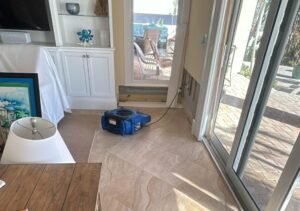
Removing water often requires pumps, wet/dry vacuums, or buckets for smaller floods. Drying the basement involves setting up fans, dehumidifiers, and opening windows to improve airflow. Homeowners also need to carefully remove soaked carpets, furniture, and other items to prevent mold growth. Disinfecting surfaces is crucial, especially if the water is contaminated, using appropriate cleaning agents.
While DIY cleanup may work for minor flooding caused by clean water, it often falls short for larger or contaminated floods. Many homeowners underestimate the complexity of water removal and drying, which can lead to lingering moisture, mold, and structural damage.
Limitations of DIY Approaches
Attempting a DIY flooded basement cleanup carries several limitations. First, homeowners may lack access to industrial-grade equipment necessary for large-scale water extraction. Wet/dry vacuums may not be sufficient for deep or extensive flooding.
Second, proper drying and dehumidification require monitoring humidity levels over days or even weeks. Failing to fully dry the basement can encourage mold growth, which may spread behind walls and under flooring. Mold remediation is costly and often requires professional intervention.
Third, safety risks are significant. Electrical hazards, chemical exposure, and structural instability can make DIY cleanup dangerous. Without proper training, homeowners may inadvertently cause more damage or put themselves at risk of injury.
Advantages of Professional Flooded Basement Cleanup
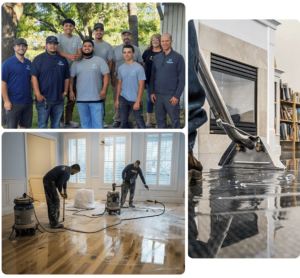
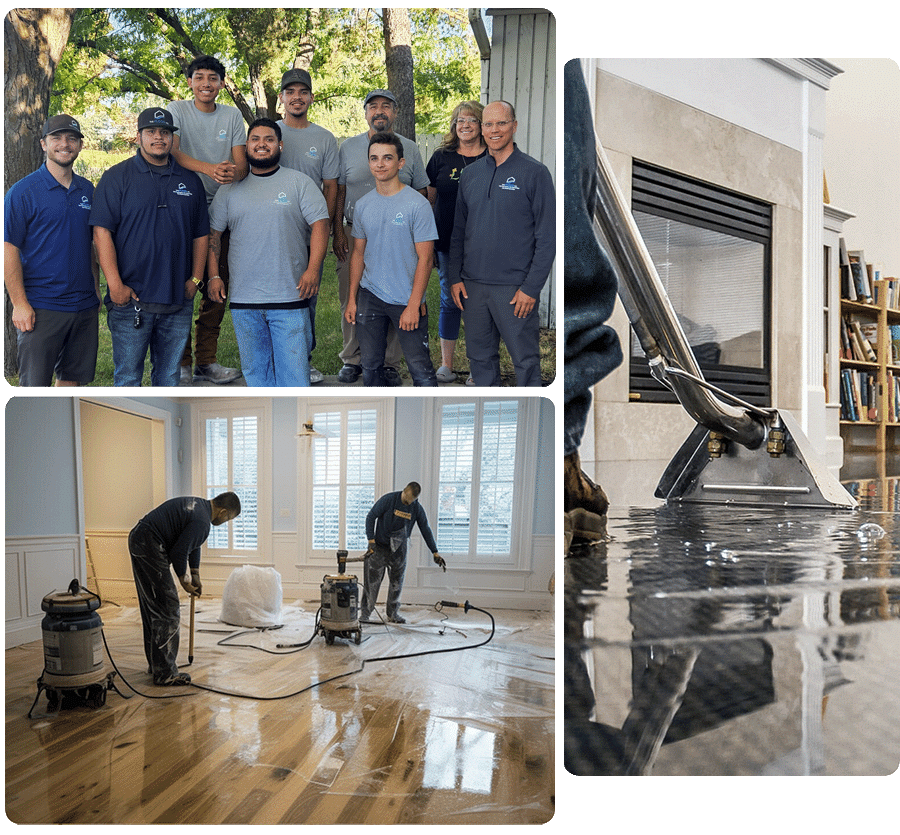
Hiring a professional flooded basement cleanup service offers several advantages that often outweigh the costs. Certified technicians bring expertise, equipment, and experience to handle all types of water damage safely and effectively.
Professionals have access to high-powered pumps, industrial dehumidifiers, moisture meters, and air movers. These tools ensure rapid water extraction and proper drying, significantly reducing the risk of mold and structural damage.
Additionally, trained technicians can identify hidden damage that may not be visible during a DIY effort. For example, water can seep into wall cavities, subfloors, and insulation, creating conditions for long-term problems. Professional flooded basement cleanup includes comprehensive inspection, water removal, drying, and disinfecting, which prevents future complications.
Safety is another critical benefit. Professionals follow strict protocols to protect themselves and your home. They are trained to handle contaminated water and can use personal protective equipment, chemical treatments, and proper disposal methods for damaged materials.
Cost Considerations: DIY vs Professional
Cost is often the primary reason homeowners consider DIY flooded basement cleanup. Initial expenses for a DIY approach may seem lower since you only purchase supplies and rent or buy equipment. However, hidden costs can quickly accumulate if the flood was severe or if mistakes occur during cleanup.
Professional services may appear more expensive upfront, but they save money in the long run by preventing mold remediation, structural repairs, and damage to personal belongings. Many insurance policies also require professional documentation of water damage for claims, which DIY efforts may not provide.
When DIY Cleanup is Feasible
DIY flooded basement cleanup is feasible in specific situations, typically when flooding is minimal and caused by clean water. If the water is shallow, covers only a small area, and there is no contamination, homeowners with proper tools and safety gear can manage the cleanup.
Simple steps like removing water with a wet/dry vacuum, drying the area with fans and dehumidifiers, and cleaning surfaces with disinfectants may suffice. Continuous monitoring for moisture and mold is essential even after a DIY cleanup.
When Professional Help is Necessary
Professional flooded basement cleanup is necessary for severe flooding, contaminated water, or situations where the basement has sustained structural damage. Black water floods, sewer backups, and prolonged exposure to water require specialized handling.
Homes with finished basements or valuable contents also benefit from professional attention, as technicians can salvage materials safely and efficiently. Professional intervention minimizes health risks, reduces long-term damage, and ensures compliance with insurance requirements.
Preventative Measures to Avoid Future Floods
Whether you choose DIY or professional cleanup, preventing future basement flooding is critical. Homeowners should inspect foundations, sump pumps, and drainage systems regularly. Proper grading, sealing cracks, and installing sump pumps or backflow valves can reduce the risk of future floods.
Routine maintenance and awareness of weather patterns can also help homeowners act quickly to minimize damage when flooding occurs. Addressing small issues early often reduces the need for extensive cleanup.
Conclusion
Deciding between DIY and professional flooded basement cleanup requires careful consideration of the severity of the flood, type of water, and potential risks. While DIY may work for minor clean water incidents, professional services offer comprehensive solutions that protect your home, health, and finances.
Flooded basement cleanup is more than just removing water—it involves drying, disinfecting, and mitigating long-term damage. By understanding the limitations and benefits of each approach, homeowners can make informed decisions that ensure safety, efficiency, and peace of mind.
In the end, the cost and effort of professional flooded basement cleanup often outweigh the risks associated with a DIY approach, making it a smart investment for any homeowner facing water damage.