Why Professional Sewage Clean Up Is Essential for a Safe and Healthy Property
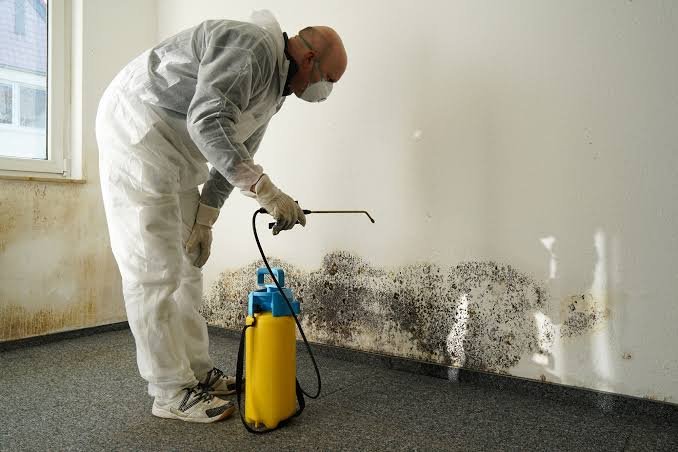
Dealing with a sewage backup or overflow is one of the most stressful and unpleasant experiences a property owner can face. Whether caused by heavy rainfall, clogged drain lines, tree root intrusion, or municipal sewer main blockages, sewage spills introduce contaminated water into living and working spaces. Beyond the foul odors and visible mess, sewage backups pose severe health hazards and can cause catastrophic structural damage if not addressed immediately.
While it might be tempting for property owners to attempt to handle the mess themselves to save money, DIY cleanup in these situations is extremely risky. Proper sewage clean up requires specialized equipment, safety gear, and deep technical expertise to ensure the space is fully restored, sanitized, and safe for occupancy. Hiring certified professionals for sewage clean up is not merely a convenience—it is an absolute necessity for protecting both public health and property value.
Understanding the Severe Hazards of Sewage Contamination
To understand why professional intervention is required, one must first understand what sewage water actually contains. In the restoration industry, water damage is categorized into three tiers: Clean Water (Category 1), Grey Water (Category 2), and Black Water (Category 3). Sewage falls directly into Category 3, which represents the most dangerous form of water contamination.
Black water contains raw human waste, toxic chemicals, heavy metals, harmful bacteria, fungi, parasites, and dangerous viruses. Exposure to or contact with contaminated sewage water can cause severe illness through ingestion, skin contact, or inhalation of airborne pathogens.
Biological and Chemical Pathogens Found in Sewage
When a sewer line backs up, it introduces a dangerous cocktail of biohazards into your indoor environment. Some of the most common pathogens present during a sewage emergency include:
- Bacteria: Dangerous strains such as Escherichia coli (E. coli), Salmonella, Campylobacter, and Shigella can cause severe gastrointestinal distress, dehydration, fever, and kidney damage.
- Viruses: Hepatitis A, Norovirus, Rotavirus, and Adenovirus are frequently transmitted through contact with fecal matter, leading to liver infections and severe stomach flu symptoms.
- Parasites: Organisms like Cryptosporidium and Giardia lamblia can cause long-lasting digestive illnesses that are difficult to treat.
- Fungi and Mold Spores: High moisture levels paired with organic biohazards create an ideal breeding ground for toxic mold strains, which release spores that worsen respiratory conditions like asthma and allergies.
Without proper PPE (Personal Protective Equipment) and industrial-grade disinfectants, attempting to clear away raw sewage exposes individuals to these life-threatening contaminants.
The Limits of DIY Sewage Clean Up
A common misconception among homeowners is that a sewer backup can be remediated using standard household tools, mop buckets, and store-bought bleach. Unfortunately, household cleaning supplies are completely insufficient for handling Category 3 biohazards.
Standard household cleaners only treat surface-level grime; they cannot penetrate porous building materials such as drywall, carpets, subflooring, or wooden framing where sewage bacteria immediately absorb. Simply wiping down an affected area leaves millions of microscopic bacteria and viral particles behind. Furthermore, using household mops or sponges without containment controls often spreads the contamination to non-affected areas of the property, worsening the problem.
Certified technicians who specialize in professional sewage clean up utilize high-tech, multi-step containment procedures to prevent cross-contamination, ensuring that dangerous air particles do not travel through HVAC ducts into clean rooms.
The Step-by-Step Professional Sewage Clean Up Process
When professional restoration technicians arrive on site, they follow strict protocols established by organizations such as the Institute of Inspection, Cleaning and Restoration Certification (IICRC). This structured approach guarantees thorough remediation from start to finish.
Emergency Inspection and Hazard Assessment
The first step in any professional sewage clean up operation is a comprehensive inspection. Technicians assess the scope of the damage, identify the source of the backup, classify the water category, and map out affected areas using moisture meters and thermal imaging devices. This evaluation helps determine which structural items can be restored and which must be discarded.
Safety Containment and Standing Water Extraction
Before extraction begins, technicians establish negative air pressure and set up physical containment barriers using plastic sheeting. This step isolates the affected room and prevents bio-contaminants from circulating throughout the rest of the building.
Next, powerful, truck-mounted extraction equipment is brought in to remove standing sewage quickly. High-powered vacuum units can extract hundreds of gallons of contaminated water per hour, minimizing the time structural materials spend submerged in black water.
Removal of Unsalvageable Porous Materials
Porous materials that have come into direct contact with raw sewage cannot be safely sanitized and must be removed. This includes carpet padding, wall-to-wall carpeting, drywall, insulation, ceiling tiles, and upholstered furniture. Professional crews carefully remove, package, and dispose of these hazardous materials in compliance with local biohazard disposal regulations.
Deep Cleaning, Sanitization, and Decontamination
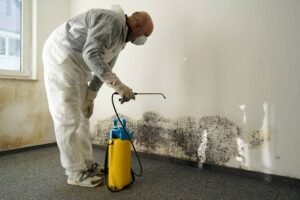
Once all unsalvageable materials and standing fluids are cleared, technicians begin the deep cleaning phase. Surfaces are scrubbed using EPA-registered antimicrobial, antibacterial, and disinfectant agents capable of killing hospital-grade pathogens. Advanced equipment, such as fogging machines, is used to apply micro-mist disinfectants into hard-to-reach cracks, crevices, and wall cavities.
Structural Drying and Dehumidification
Moisture left behind after a sewer leak leads to rapid mold growth within 24 to 48 hours. Professionals employ commercial air movers and LGR (Low Grain Refrigerant) dehumidifiers to draw deep-seated moisture out of concrete floors, wooden studs, and joists. Continuous monitoring with moisture sensors ensures the property achieves optimal dry standards.
Air Scrubbing and Odor Elimination
The foul odor associated with sewer lines is caused by volatile organic compounds (VOCs) and off-gassing bacteria. Standard air fresheners only mask these odors temporarily. Professional restoration teams use air scrubbers fitted with HEPA filters and carbon absorption media, along with hydroxyl generators or ozone machines, to neutralize odor molecules at the molecular level.
Preventing Structural Damage and Preserving Property Value
Beyond immediate health risks, sewage water damages the physical integrity of a building. Wood framing warps and rots when saturated, drywall crumbles, and subflooring collapses. Water trapped beneath hardwood or laminate flooring causes buckling and permanent sub-structural decay.
Prompt, professional sewage clean up mitigates these long-term threats. By extracting water rapidly and implementing scientific drying techniques, restoration teams save structural elements that would otherwise require costly replacement. Swift intervention preserves your property’s value, structural stability, and resale marketability.
Navigating Insurance Claims with Ease
Filing an insurance claim after a sewer backup can be confusing and overwhelming. Many standard homeowners insurance policies require specific riders for sewer and drain backups.
Professional restoration companies have extensive experience working directly with insurance adjusters. They provide detailed documentation, including moisture maps, itemized lists of damaged property, photo evidence, and clear estimates formatted for insurance software. Having precise documentation from a licensed sewage clean up company streamlines the claims process and increases the likelihood of fair coverage for your losses.
Peace of Mind for Property Owners
Perhaps the greatest benefit of hiring experts for sewage clean up is the total peace of mind it provides. Attempting to clean up a biohazardous mess yourself leaves lingering doubts about whether hidden bacteria, toxic mold, or residual odors remain inside your walls and floors.
When you trust certified biohazard remediation professionals, you receive guaranteed results. You can return to your home or office knowing that every surface has been scientifically tested, thoroughly disinfected, and restored to a completely safe, hygienic condition.
Conclusion
A sewage emergency is a critical situation that demands immediate, professional attention. The health risks linked to Category 3 black water—ranging from severe bacterial infections to toxic mold exposure—are simply too dangerous to tackle without specialized training and equipment.
By investing in professional sewage clean up, you protect your family, employees, and property from hazardous contaminants and costly structural destruction. If your property experiences a sewer line failure or backup, act immediately: call a certified restoration team to safely restore your environment to a clean, healthy, and secure state.