What to Consider Before Buying Bodykits for Your Car
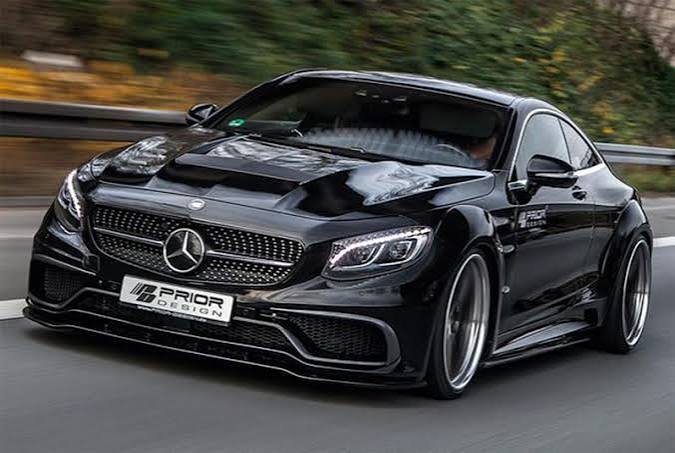
Upgrading a car’s appearance is an exciting way to express personal style and make a vehicle stand out on the road. One popular modification among car enthusiasts is installing bodykits . These accessories can transform a standard vehicle into a sportier, more aggressive, or more luxurious-looking machine. However, choosing the right bodykit involves more than selecting an attractive design. Buyers should consider compatibility, material quality, installation requirements, budget, maintenance, and local regulations before making a purchase.
Whether you want a subtle exterior upgrade or a complete visual transformation, understanding these factors can help you make a better decision. Here are the most important things to consider before buying bodykits for your car.
1. Understand Your Car’s Make and Model
The first step in choosing a bodykit is identifying your vehicle’s exact specifications. Bodykits are often designed for particular makes, models, production years, and trim levels. Even vehicles that look similar can have differences in bumper shapes, mounting points, headlights, and body dimensions.
Before ordering, check whether the selected kit is compatible with your car. Confirm the model year, body style, and trim configuration to reduce the risk of purchasing parts that do not fit properly.
Some kits are designed for specific factory bumpers, while others require additional modifications. Reading product descriptions and checking fitment information can save time and prevent unnecessary expenses.
2. Choose a Style That Matches Your Preferences
Bodykits are available in many styles, allowing drivers to personalize their vehicles according to their tastes. Some designs focus on a sporty appearance, while others provide a clean, understated finish.
Popular components include front bumpers, rear bumpers, side skirts, spoilers, diffusers, and front splitters. These pieces can be purchased separately or as part of a complete kit.
When selecting a style, consider the overall shape of your vehicle. A design that complements the car’s original lines often creates a more balanced appearance than one with excessive decorative features.
It is also helpful to explore different styling approaches before deciding. For example, a subtle bodykit may suit a daily commuter, while a more dramatic design could appeal to someone building a show car.
3. Compare Bodykit Materials
Material quality has a significant influence on durability, weight, flexibility, and price. Different materials offer different advantages, so the best choice depends on how you use your vehicle and where you normally drive.
ABS Plastic
ABS plastic is commonly used for automotive exterior components. It can offer a useful balance of flexibility, durability, and affordability. Its flexibility may help it tolerate minor impacts better than some more brittle materials.
ABS bodykits can be suitable for daily drivers when they are manufactured well and fitted correctly.
Fiberglass
Fiberglass bodykits are popular because they allow manufacturers to create detailed and distinctive shapes. They may also be less expensive than some premium alternatives.
However, fiberglass can crack under certain impacts and may require additional preparation before painting. Buyers should inspect the quality of the finish and construction before purchasing.
Polyurethane
Polyurethane components are known for their flexibility, which can be beneficial for parts exposed to minor contact or road debris. They may cost more than basic alternatives, depending on the design and manufacturer.
Carbon Fiber
Carbon fiber is associated with premium styling and performance-oriented builds. It can provide a high-end appearance and a favorable strength-to-weight ratio, but genuine carbon fiber components are often expensive.
Always confirm whether a product uses genuine carbon fiber or simply has a carbon-fiber-style finish.
4. Set a Realistic Budget
The advertised price of a bodykit does not always represent the total cost of the upgrade. Additional expenses may include shipping, customs duties, painting, installation, replacement clips, mounting brackets, and minor adjustments.
Create a complete budget before placing an order. Ask the seller whether the kit includes all necessary components and whether painting or installation is included in the quoted price.
It is also wise to reserve some money for unexpected fitting work. Even a compatible aftermarket component may need adjustments to achieve a clean finish.
Avoid choosing a product based only on its low price. A poorly manufactured kit can require repeated repairs or replacement, making it more expensive in the long run.
5. Check Product Quality and Fitment
A well-designed bodykit should align properly with the vehicle’s original bodywork. Uneven gaps, rough edges, weak mounting points, and inconsistent surfaces can affect both appearance and durability.
Before buying, review detailed product photographs and look for images showing the components installed on the same vehicle model. Customer reviews and installation photographs can provide useful insights into fitment and finish.
If possible, purchase from a seller that provides clear specifications, responsive customer support, and a reasonable return policy.
Ask whether the parts are ready for installation or require sanding, trimming, or other preparation. Understanding these requirements helps you estimate the work involved and avoid surprises.
6. Consider Professional Installation
Although some car enthusiasts prefer working on their vehicles themselves, installing a complete bodykit can require specialist knowledge and suitable tools.
Incorrect installation may cause loose panels, uneven gaps, rattling, paint damage, or interference with other vehicle components. Front splitters and lower bumper sections also need appropriate clearance to reduce the risk of scraping against roads and parking ramps.
A professional installer can assess fitment, prepare the surfaces, secure the components, and ensure that the finished result looks consistent.
Before choosing an installer, ask to see examples of previous work. Discuss the installation price, expected completion time, and responsibility for correcting any fitting problems.
7. Think About Everyday Practicality
A bodykit should suit the conditions in which you drive. Vehicles used daily may encounter speed bumps, steep driveways, uneven roads, crowded parking areas, and other obstacles.
Aggressive front splitters and low side skirts can reduce ground clearance. This may make ordinary driving less convenient, particularly on rough roads.
Consider how much clearance you need before choosing low-profile components. A modest front lip or carefully designed side skirt may provide the appearance you want without making everyday use unnecessarily difficult.
Weather conditions also matter. Road debris, heavy rain, and frequent exposure to sunlight can affect exterior components over time. Choosing suitable materials and maintaining them properly can help preserve their condition.
8. Understand Painting and Color Matching
Many aftermarket bodykits are supplied unpainted or with a primer finish. If you want the new components to blend seamlessly with your car, professional painting may be necessary.
Matching the original paint color can be more complicated than selecting a color code. Paint age, sunlight exposure, and differences in finishing techniques can influence the final appearance.
Ask whether the kit arrives ready for painting and whether additional surface preparation is required. A professional paint shop can help achieve a consistent finish and reduce the likelihood of visible differences between the new parts and the existing bodywork.
Some drivers prefer contrasting colors or glossy black accents. These options can create a distinctive look, provided the design complements the rest of the vehicle.
9. Review Safety and Legal Requirements
Before modifying your vehicle’s exterior, check the regulations that apply in your location. Requirements may cover vehicle dimensions, sharp exterior edges, lighting, registration details, and other road-safety considerations.
Bodykit components should not obstruct headlights, indicators, number plates, sensors, or other essential equipment. They should also be securely mounted to reduce the risk of parts becoming detached while driving.
If your vehicle uses parking sensors, cameras, or driver-assistance systems, confirm that the new components will not interfere with their operation. Some modifications may require recalibration or professional inspection.
When in doubt, consult a qualified installer or the relevant local vehicle authority before purchasing the kit.
10. Consider Maintenance and Long-Term Durability
Like other exterior modifications, bodykits need regular care. Dirt, road salt, insects, and environmental pollutants can affect the finish if they are not removed appropriately.
Clean the components using automotive products suitable for their material and paint finish. Avoid harsh chemicals or abrasive tools that could damage the surface.
Inspect mounting points periodically, especially after driving on rough roads. Loose fasteners or small cracks should be addressed before they become more significant problems.
Also consider the availability of replacement parts. Buying from a manufacturer or seller that can supply individual components may be more practical than replacing an entire kit after one section becomes damaged.
11. Research the Seller and Warranty
The seller’s reputation can influence the quality of your buying experience. Reliable suppliers generally provide clear product descriptions, accurate compatibility information, transparent pricing, and useful customer support.
Read the warranty conditions carefully. Some warranties cover manufacturing defects but exclude damage caused by installation, accidents, or improper maintenance.
Check the return policy before ordering, particularly when purchasing internationally. Oversized automotive parts can be expensive to ship back, and some sellers may not accept returns after painting or modification.
Clear communication before purchase can help you understand what is included and what support is available if a problem occurs.
Conclusion
Buying a bodykit is an opportunity to personalize your vehicle and create an exterior appearance that reflects your preferences. However, the best results come from balancing design with practical considerations.
Before making a purchase, confirm vehicle compatibility, compare materials, establish a realistic budget, inspect product quality, and consider professional installation. Ground clearance, paint matching, legal requirements, maintenance, and warranty coverage are equally important.
By researching your options carefully, you can select a bodykit that complements your vehicle, suits your driving habits, and offers lasting value. A thoughtful upgrade can improve your car’s visual appeal while preserving the comfort, safety, and practicality needed for everyday driving.