How Location Influences Property & Real Estate Value
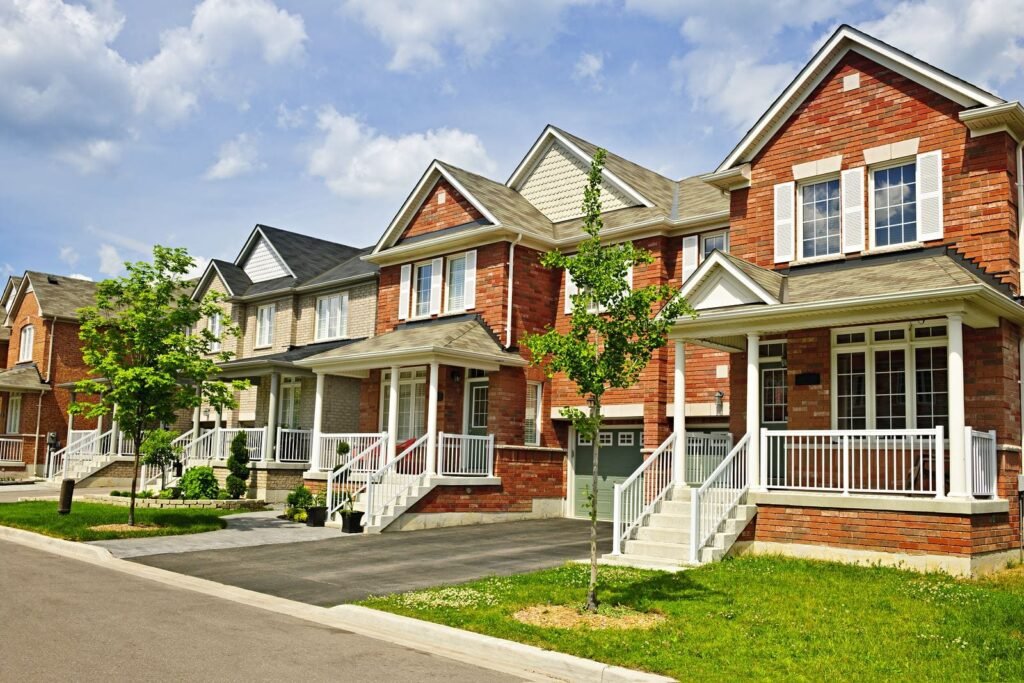
town planningWhen it comes to property and real estate, location is often said to be the single most important factor affecting value. Whether you are buying, selling, or investing in property, understanding how location impacts real estate value can save you time, money, and stress. The term “location, location, location” is not just a cliché; it reflects a fundamental truth of the property market. A well-chosen location can elevate property prices, rental yields, and long-term investment potential, while a poor location can severely limit them.
The Role of Accessibility in Property Value
Accessibility is a critical component of location. Properties that are close to major roads, highways, public transport hubs, or airports are generally valued higher. Easy access reduces commuting time and increases convenience, making such properties attractive to both homeowners and renters. For example, a residential property situated near a metro station or bus interchange can command a premium price compared to similar properties in more isolated areas.
Town planning also plays a crucial role in accessibility. Cities and towns with strategic zoning policies ensure that residential, commercial, and recreational areas are well-connected. When urban planners prioritize efficient transport networks, properties in those regions often appreciate faster due to high demand for convenient living spaces.
Impact of Neighborhood Quality on Real Estate Value
Neighborhood quality is another factor closely tied to location. Factors such as safety, cleanliness, community amenities, and aesthetic appeal influence property desirability. Buyers are willing to pay more for homes in safe neighborhoods with well-maintained parks, schools, and shopping centers. Conversely, properties in areas with high crime rates or poorly maintained infrastructure often suffer from lower demand and reduced prices.
Town planning initiatives can significantly enhance neighborhood quality. Properly planned communities with green spaces, pedestrian-friendly streets, and mixed-use developments contribute to a higher quality of life. When local authorities and developers collaborate to implement effective town planning, property values in these areas tend to rise steadily.
The Influence of Economic and Employment Hubs
Proximity to economic and employment hubs is a powerful determinant of property value. Areas near business districts, industrial parks, or commercial centers attract professionals who prefer to live close to their workplaces. This proximity reduces commute times and enhances lifestyle convenience.
Real estate in such locations often experiences consistent demand, even during economic downturns, because people prioritize accessibility to jobs. Town planning strategies that allocate zones for commercial activity and employment hubs directly influence surrounding residential property values, as they shape patterns of human settlement and migration.
School Districts and Educational Facilities
Educational facilities, especially reputed schools and universities, have a notable impact on property prices. Families often prioritize homes located within good school districts, driving demand in those areas. Properties near high-performing schools or universities generally see higher resale values and rental income potential.
Effective town planning ensures that residential zones have easy access to quality educational institutions. Planning for sufficient educational infrastructure, pedestrian paths, and safe traffic systems can make a neighborhood more attractive to families, thereby boosting property values.
Recreational and Cultural Amenities
Proximity to recreational and cultural amenities also influences real estate value. Parks, theaters, museums, sports facilities, and shopping districts enhance the livability of an area, making it more desirable. Properties near such amenities often attract higher rents and resale prices because people are willing to pay for lifestyle convenience and entertainment options.
Town planning plays a role in integrating these amenities thoughtfully within communities. Proper planning can create vibrant, walkable neighborhoods that encourage social interaction and promote a sense of belonging, further increasing property demand and value.
Environmental Factors and Natural Surroundings
The natural environment around a property can also impact its value. Scenic views, waterfront access, and green belts are highly valued in the real estate market. Properties with ocean views, riverfront access, or proximity to forests and parks generally command higher prices. Conversely, areas prone to pollution, flooding, or industrial hazards tend to see lower property values.
Town planning regulations often include environmental considerations, such as flood zones, green spaces, and pollution control. Well-planned developments that respect environmental sustainability not only improve quality of life but also preserve and enhance property values over time.
Future Development Potential
The potential for future development in a location significantly affects current property values. Areas with planned infrastructure projects, commercial developments, or new transit lines can see property values rise even before the projects are completed. Investors and homeowners alike recognize the potential for appreciation in such locations.
Town planning ensures that urban expansion and development projects are strategically implemented. Thoughtful planning reduces risks associated with overdevelopment or poorly coordinated infrastructure, making properties in these areas more secure and attractive investments.
Market Trends and Socioeconomic Dynamics
Local market trends and socioeconomic dynamics are also influenced by location. Areas experiencing population growth, gentrification, or economic revitalization tend to see rising property values. Conversely, neighborhoods facing economic decline or depopulation may witness stagnating or falling property prices.
Town planning that aligns with market needs, such as creating mixed-use zones, affordable housing, and employment opportunities, can stabilize and enhance property values. Communities that are well-planned tend to resist economic shocks better and maintain long-term appeal.
Conclusion
In real estate, location remains the cornerstone of value. Accessibility, neighborhood quality, proximity to employment and educational hubs, recreational amenities, environmental factors, and future development potential all interplay to determine property worth. Thoughtful town planning is a key mechanism through which these location-based advantages are realized, as it shapes the physical, economic, and social fabric of communities.
Investors, buyers, and developers who understand the intricate relationship between location and property value are better positioned to make informed decisions. Whether choosing a home to live in, a rental property to manage, or a commercial site to develop, paying close attention to location ensures long-term financial security and maximized returns. In essence, the right location, reinforced by strategic town planning, can turn a property from just bricks and mortar into a lasting investment.