Small-Scale Power Plant Innovations: Balancing Performance and Eco-Friendliness
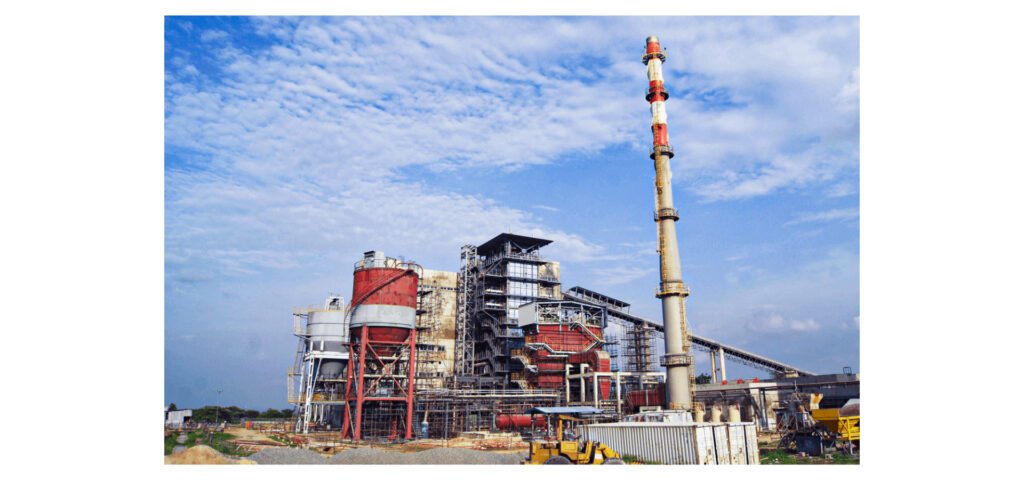
As global energy demand continues to grow, communities and industries are increasingly turning to small-scale power plant designs to meet localized electricity needs. These compact generation systems offer flexibility, reduced transmission losses, and the ability to integrate renewable technologies. However, designing efficient systems while minimizing environmental impact requires careful planning, advanced technology, and strategic resource management.
Small-scale power plant designs are particularly valuable in remote areas, industrial facilities, commercial complexes, and developing regions where centralized grids may be unreliable or unavailable. By balancing performance with sustainability, these systems can play a significant role in the global transition toward cleaner energy solutions.
Understanding Small-Scale Power Plant Designs
Small-scale power plant designs typically refer to power generation systems that produce electricity at capacities ranging from a few kilowatts to several megawatts. Unlike large centralized plants, these systems are often decentralized and installed closer to the point of consumption.
They can operate using various energy sources, including:
- Solar photovoltaic (PV) systems
- Wind turbines
- Biomass generators
- Small hydroelectric systems
- Natural gas microturbines
- Combined heat and power (CHP) units
The primary goal of small-scale power plant designs is to deliver reliable electricity with improved energy efficiency and reduced environmental footprint.
Key Principles of Efficient Small-Scale Power Plant Designs
Designing efficient small-scale power plant systems involves several core principles that influence performance and sustainability.
Optimizing Energy Conversion Efficiency
Efficiency is the cornerstone of successful small-scale power plant designs. Higher energy conversion efficiency means less fuel consumption and fewer emissions per unit of electricity produced. Advanced turbine technologies, high-efficiency generators, and smart inverters significantly enhance overall performance.
Combined heat and power systems are particularly effective. By capturing waste heat for heating or industrial processes, CHP-based small-scale power plant designs can achieve efficiency levels exceeding 70–80%, far higher than conventional standalone power plants.
Reducing Transmission Losses
One major advantage of small-scale power plant designs is proximity to end users. Traditional centralized power plants lose significant energy during long-distance transmission. Decentralized generation reduces these losses, improving overall system efficiency and lowering operational costs.
Modular and Scalable Architecture
Modern small-scale power plant designs often incorporate modular components. This allows systems to expand as demand grows. Modular systems improve reliability because individual units can undergo maintenance without shutting down the entire facility.
Scalability also supports gradual investment, making small-scale power plant designs financially accessible for small businesses and communities.
Environmental Considerations in Small-Scale Power Plant Designs
While efficiency is crucial, environmental impact must be equally prioritized. Responsible small-scale power plant designs address emissions, land use, water consumption, and noise pollution.
Emissions Control and Clean Energy Integration
Fossil-fuel-based small-scale power plant designs must integrate emission control technologies such as catalytic converters and advanced filtration systems. These measures significantly reduce nitrogen oxides (NOx), sulfur dioxide (SO₂), and particulate matter emissions.
However, the most sustainable approach involves incorporating renewable energy sources. Solar and wind-based small-scale power plant designs generate electricity without direct greenhouse gas emissions. Hybrid systems that combine renewables with backup generators ensure reliability while maintaining environmental responsibility.
Efficient Resource Utilization
Water usage is an often-overlooked environmental factor. Traditional thermal plants require substantial cooling water. Innovative small-scale power plant designs use air-cooled systems or closed-loop cooling technologies to minimize water consumption.
Additionally, biomass-based plants must ensure sustainable sourcing to prevent deforestation or ecological imbalance.
Minimizing Land and Noise Impact
Thoughtful site selection is critical. Rooftop solar systems and compact microturbines require minimal land area. Soundproof enclosures and advanced acoustic insulation can reduce noise pollution in urban or residential installations.
Careful environmental impact assessments are essential during the planning stage of small-scale power plant designs to ensure compliance with regulations and community expectations.
Technological Innovations Enhancing Small-Scale Power Plant Designs
Rapid advancements in energy technology are transforming small-scale power plant designs, making them smarter, cleaner, and more efficient.
Smart Grid Integration
Digital monitoring systems allow operators to track performance in real time. Smart controllers optimize load distribution and improve response to demand fluctuations. When integrated into smart grids, small-scale power plant designs can automatically adjust output based on consumption patterns.
This flexibility enhances energy reliability while reducing waste.
Energy Storage Systems
Battery storage solutions are critical for renewable-based small-scale power plant designs. Energy storage stabilizes output by storing excess generation during low demand and releasing it during peak usage.
Lithium-ion batteries, flow batteries, and other storage technologies ensure consistent power supply even when solar or wind generation fluctuates.
Advanced Microturbines and Fuel Cells
Microturbines and fuel cells are increasingly popular in modern small-scale power plant designs. Fuel cells, in particular, offer high efficiency and low emissions, especially when powered by hydrogen or biogas. These technologies represent the future of clean decentralized power generation.
Economic and Social Benefits of Small-Scale Power Plant Designs
Beyond technical advantages, small-scale power plant designs provide significant economic and social benefits.
Cost Savings and Energy Independence
Local generation reduces dependence on centralized utilities and volatile fuel markets. Businesses can lower energy bills and protect themselves from power outages. Over time, efficient small-scale power plant designs deliver strong returns on investment.
Job Creation and Community Development
Installing and maintaining decentralized power systems creates local employment opportunities. Small-scale power plant designs also empower rural communities by providing reliable electricity for schools, healthcare facilities, and small enterprises.
Supporting Energy Transition Goals
Governments worldwide are setting ambitious carbon reduction targets. Small-scale power plant designs, especially renewable-based systems, play a critical role in achieving these objectives. They complement large-scale renewable projects and accelerate the shift toward sustainable energy systems.
Challenges in Designing Sustainable Small-Scale Power Plants
Despite their advantages, small-scale power plant designs face several challenges.
Initial capital investment can be high, particularly for advanced renewable and storage technologies. Regulatory approval processes may also be complex. Furthermore, integrating intermittent renewable sources requires careful system engineering to maintain stability.
Proper maintenance and skilled operation are essential to ensure long-term efficiency and environmental compliance. Without adequate planning, poorly designed systems may fail to achieve expected performance levels.
Best Practices for Balancing Efficiency and Environmental Impact
To successfully balance efficiency and sustainability in small-scale power plant designs, several best practices should be followed:
Conduct Comprehensive Feasibility Studies
Detailed energy assessments help determine optimal system size, fuel source, and technology selection. This ensures that small-scale power plant designs align with local energy demand and environmental conditions.
Prioritize Renewable and Hybrid Systems
Hybrid small-scale power plant designs that combine renewable sources with efficient backup systems provide reliability without compromising environmental goals.
Implement Continuous Monitoring and Optimization
Real-time data analytics enable operators to detect inefficiencies and reduce emissions. Smart monitoring tools maximize system performance over time.
Engage Stakeholders Early
Community involvement improves project acceptance and ensures that small-scale power plant designs address local environmental and social concerns.
The Future of Small-Scale Power Plant Designs
The global energy landscape is evolving rapidly. Decentralization, digitalization, and decarbonization are shaping the next generation of power systems. Small-scale power plant designs are at the center of this transformation.
As renewable technologies become more affordable and storage solutions improve, small-scale systems will become even more efficient and environmentally friendly. Hydrogen-based microgrids, advanced battery systems, and AI-driven energy management platforms are likely to redefine small-scale power plant designs in the coming years.
By thoughtfully balancing efficiency and environmental impact, these systems can provide reliable power while contributing to a sustainable future.
Conclusion
Small-scale power plant designs offer a practical and forward-thinking solution to modern energy challenges. Their ability to reduce transmission losses, integrate renewable energy, and support local energy independence makes them a vital component of the global energy transition.
However, achieving the right balance between efficiency and environmental responsibility requires careful planning, advanced technology, and ongoing optimization. When designed and implemented correctly, small-scale power plant designs can deliver clean, reliable, and cost-effective energy for communities and industries alike—paving the way toward a more sustainable and resilient energy future.