PCB Grinding Pen and PCB Grinding Tool: Precision Solutions for Circuit Board Work
Printed Circuit Boards (PCBs) are the backbone of modern electronics, and working with them requires tools that offer accuracy, control, and reliability. Among the most practical tools for PCB modification, repair, and prototyping are the PCB grinding pen and the PCB grinding tool. These compact yet powerful devices are designed to remove unwanted copper, clean traces, and prepare circuit boards for further processing with precision that larger tools simply can’t match.
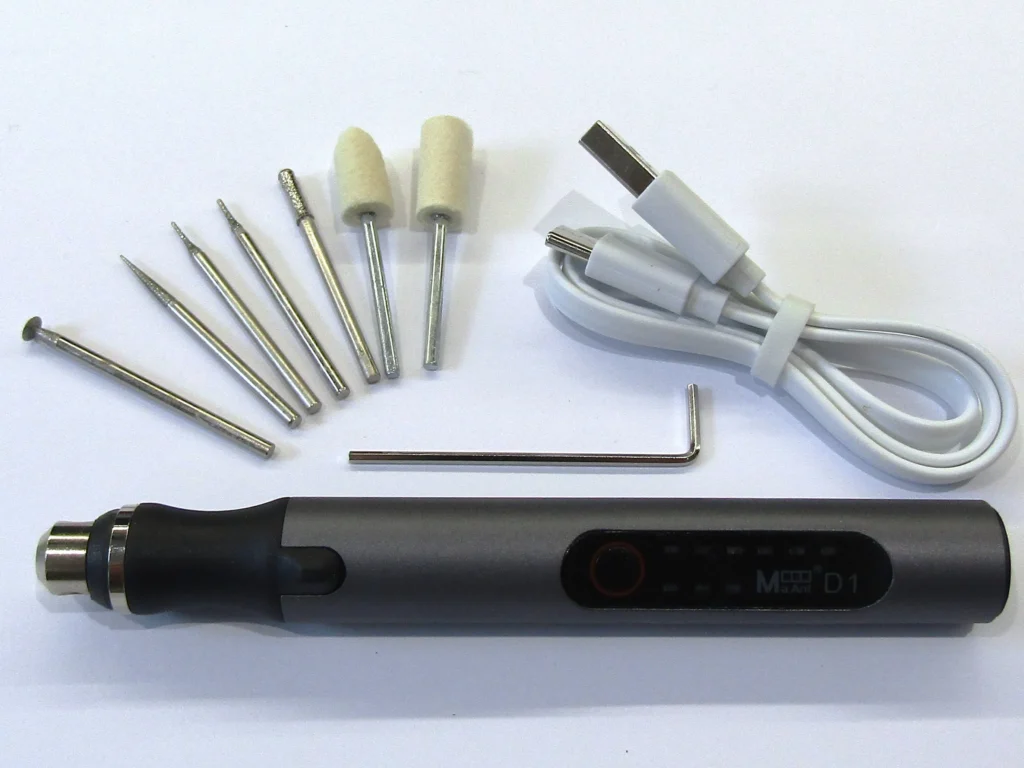
A PCB grinding pen is a handheld, pen-shaped tool specifically engineered for delicate PCB tasks. Its slim design allows technicians, engineers, and hobbyists to work on tight spaces without damaging nearby components or traces. Grinding pens are commonly used to remove solder mask, isolate copper traces, correct design errors, or clean oxidation from PCB surfaces. Because of their ergonomic shape, they provide excellent control, making them ideal for fine-detail work where accuracy is critical.
On the other hand, a PCB grinding tool is a broader category that includes grinding pens, rotary tools, micro engravers, and specialized PCB milling accessories. These tools vary in size, power, and functionality, allowing users to choose the right option for their specific application. While larger grinding tools are suitable for bulk material removal or board shaping, grinding pens excel in precision-focused tasks such as trace cutting, rework, and small-area corrections.
One of the key advantages of PCB grinding tools is their ability to improve workflow efficiency. Instead of redesigning and re-manufacturing an entire board due to a minor error, technicians can quickly grind away excess copper or isolate a trace, saving both time and cost. This makes PCB grinding tools especially valuable in prototyping environments, R&D labs, and repair centers where flexibility is essential.
Material compatibility is another important factor. PCB grinding pens typically use replaceable abrasive tips or carbide bits that are suitable for fiberglass (FR4), copper layers, and solder mask materials. High-quality grinding tools produce minimal vibration and heat, reducing the risk of delamination or damage to sensitive board layers. Adjustable speed control, found in many modern tools, further enhances safety and precision.
For electronics hobbyists and professionals alike, ease of use is a major benefit. PCB grinding pens are lightweight, require minimal setup, and can be used with little training. This accessibility makes them a popular choice not only in industrial settings but also for DIY electronics projects and small workshops.
In conclusion, the PCB grinding pen and PCB grinding tool are indispensable instruments for anyone working with printed circuit boards. They offer unmatched precision, cost-effective problem-solving, and versatility across a wide range of applications. Whether you’re refining a prototype, repairing a faulty trace, or customizing a PCB design, these tools provide the control and efficiency needed to achieve professional-quality results.