Navigating the Challenges of Flooded Basement Cleanup
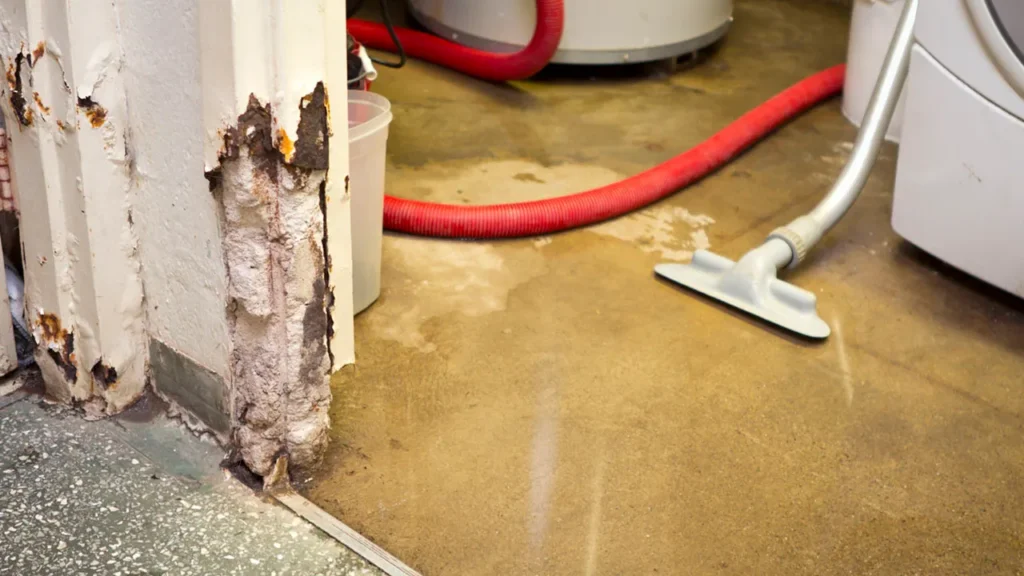
Dealing with a flooded basement is one of the most stressful experiences a homeowner can face. Water damage can cause structural issues, ruin personal belongings, and create a breeding ground for mold and bacteria. Successful flooded basement cleanup requires careful planning, the right tools, and a systematic approach. Understanding the challenges involved and how to tackle them can save time, money, and prevent long-term damage.
Assessing the Situation
Before diving into any cleanup efforts, it is crucial to assess the extent of the flooding. Safety should always be the first priority. Standing water in basements may hide electrical hazards, weakened flooring, or contaminated water. Always turn off electricity at the main breaker before entering the area. Protective gear such as rubber boots, gloves, and masks are essential for personal safety.
Evaluating the severity of the flood helps determine the next steps. Minor water intrusion may require only a few hours of cleanup, while major flooding often demands professional intervention. Checking the water source is also important to prevent further flooding. This might involve repairing broken pipes, sealing cracks, or addressing drainage issues around the home.
Removing Water Efficiently
One of the most challenging aspects of flooded basement cleanup is removing large volumes of water quickly. The longer water sits, the greater the risk of structural damage and mold growth. For smaller amounts of water, pumps, wet vacuums, and buckets may suffice. For significant flooding, high-capacity sump pumps or commercial-grade water removal equipment are necessary.
It is important to start removing water from the lowest points first. Basements often have uneven flooring or sunken areas where water can collect. Ensuring proper drainage during cleanup can prevent pockets of standing water, which are a breeding ground for bacteria and mold. In cases of heavy flooding, hiring professionals who have access to industrial-strength pumps and drying equipment can make the process safer and faster.
Drying and Dehumidifying the Space
Once the standing water is removed, the next challenge is drying the basement thoroughly. Moisture trapped in walls, floors, and furniture can lead to mold and mildew, which pose health risks and further damage property. High-powered fans, air movers, and dehumidifiers are crucial tools in this stage of flooded basement cleanup.
It is important to monitor the moisture levels over several days. Sometimes water can seep into hidden spaces behind drywall, under flooring, or inside insulation. These areas require special attention, and in some cases, materials may need to be removed to ensure complete drying. Continuous airflow and ventilation are essential to prevent lingering dampness that can encourage mold growth.
Cleaning and Sanitizing
Floodwater often contains contaminants such as sewage, chemicals, or bacteria, making proper sanitation essential. Surfaces exposed to water should be cleaned using a mixture of water and appropriate disinfectants. Porous materials like carpets, rugs, and upholstered furniture may need to be discarded if they cannot be effectively sanitized.
Personal items such as books, clothing, and electronics require careful handling. Sorting items into salvageable and unsalvageable categories can help streamline the cleanup process. Thoroughly washing and disinfecting salvageable items can prevent secondary contamination and odors from developing.
Preventing Mold Growth
Mold can develop within 24 to 48 hours after flooding, making prevention a key part of any flooded basement cleanup plan. After drying and sanitizing, treating surfaces with mold inhibitors can help protect against future outbreaks. Regular inspections for signs of mold, including musty odors or discoloration, are also recommended.
In addition to chemical treatments, structural improvements can help prevent mold. Installing proper ventilation, using moisture-resistant building materials, and improving drainage around the home reduce the likelihood of repeated flooding and mold growth. Addressing these issues promptly after a flood can save significant costs and health concerns in the long run.
Handling Damaged Structures
Flooding can compromise the structural integrity of walls, floors, and foundations. During cleanup, inspect for warped wood, cracked concrete, or weakened drywall. In many cases, professional assessment is needed to determine whether repairs or replacements are necessary. Delaying structural repairs can worsen the damage and create unsafe conditions in the home.
Replacing damaged flooring and wall materials might seem daunting, but doing so is crucial for restoring a safe living environment. In addition, repairing the basement promptly helps maintain the overall value of the property and prevents long-term moisture problems.
Managing Costs and Resources
Flooded basement cleanup can be costly, particularly if professional services are required. Homeowners should consider insurance coverage for water damage, as it can offset the expense of repairs and equipment. Budgeting for necessary tools, cleaning supplies, and replacement materials helps ensure that the cleanup process proceeds efficiently.
It is also wise to plan the cleanup in stages. Attempting to tackle everything at once can be overwhelming and increase the risk of mistakes. Prioritizing water removal, drying, sanitation, and structural repairs allows for a more organized and effective approach.
Learning from the Experience
Experiencing a flooded basement can be a valuable learning opportunity. Understanding the vulnerabilities in your home’s design and drainage systems can help prevent future incidents. Regular maintenance, such as cleaning gutters, inspecting sump pumps, and sealing foundation cracks, plays a crucial role in flood prevention.
Keeping a flood emergency kit that includes pumps, wet vacuums, fans, and protective gear can make future cleanups less stressful. Additionally, documenting the cleanup process, including photos and receipts, can be helpful for insurance claims and planning preventive measures.
Conclusion
Flooded basement cleanup is a complex and challenging task that demands careful attention to safety, moisture control, sanitation, and structural integrity. Each stage, from assessing the flood to drying, sanitizing, and repairing, requires methodical planning and execution. While minor flooding may be managed by homeowners, severe cases often necessitate professional intervention. By understanding the challenges and taking proactive steps, homeowners can navigate the flooded basement cleanup process effectively, minimizing damage and protecting both property and health. Proper preparation and preventive measures also ensure that future incidents are less disruptive, providing peace of mind and long-term resilience against water damage.
This comprehensive approach ensures that flooded basements are restored safely and efficiently, transforming a stressful situation into a manageable process.