A Step-by-Step Guide to Deploying an Intranet Web Portal in Your Organization
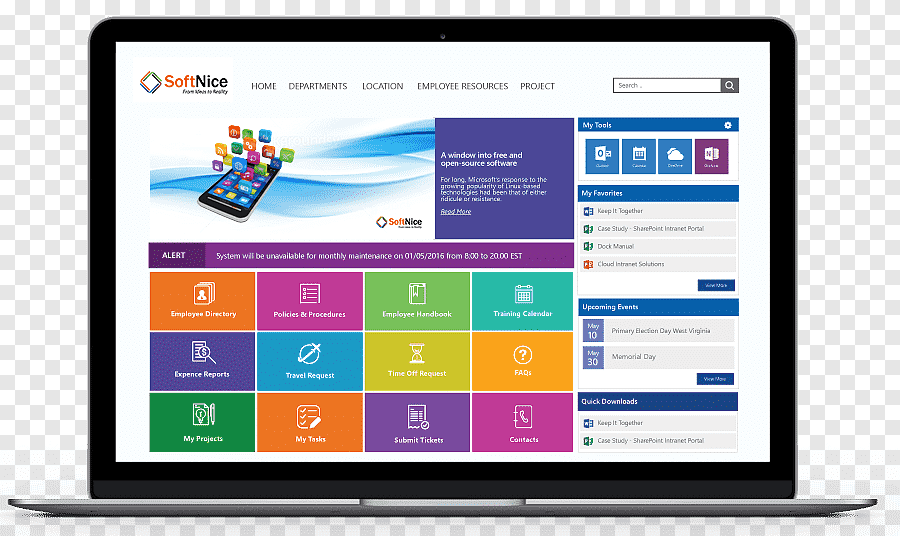
In today’s fast-paced corporate environment, effective communication and streamlined access to information are crucial for organizational success. An intranet web portal serves as the central hub where employees can access resources, collaborate with colleagues, and stay updated on company news. Implementing an intranet web portal can significantly enhance productivity, engagement, and overall operational efficiency. This comprehensive guide will walk you through the steps, strategies, and best practices for successfully deploying an intranet web portal in your organization.
Understanding the Purpose of an Intranet Web Portal
Before embarking on implementation, it is essential to define the purpose of your intranet web portal. Organizations use intranets for various functions such as document management, internal communications, collaboration, and knowledge sharing. Identifying the core objectives will help determine the features and functionalities that need to be prioritized. For instance, a company aiming to improve employee engagement may focus on social tools, forums, and feedback mechanisms, while an organization aiming for operational efficiency may prioritize workflow automation and document management.
An intranet web portal should also reflect the company’s culture and values. A user-friendly design, intuitive navigation, and relevant content are essential to ensure high adoption rates. Understanding your employees’ needs through surveys, interviews, and feedback sessions will allow the portal to serve as a valuable tool rather than just another digital resource.
Planning and Strategy
Effective implementation of an intranet web portal begins with careful planning. This involves identifying stakeholders, setting clear objectives, and outlining a roadmap for deployment. Key steps include:
- Stakeholder Identification: Engage executives, department heads, IT teams, and end-users to ensure that all perspectives are considered. Stakeholder buy-in is critical for securing resources and ensuring adoption.
- Goal Setting: Define measurable goals for your intranet web portal, such as increasing internal communications, reducing document retrieval time, or improving employee collaboration.
- Content Strategy: Determine the type of content that will be hosted, how it will be organized, and who will manage it. A clear content governance plan ensures accuracy and relevance over time.
- Feature Prioritization: Decide which features are essential at launch, such as document libraries, news feeds, discussion forums, or project management tools. Start with core functionalities and expand gradually based on user feedback.
Proper planning not only prevents costly mistakes but also ensures the intranet web portal aligns with organizational goals from the outset.
Choosing the Right Platform
Selecting the right platform for your intranet web portal is a crucial step. The platform should accommodate current organizational needs while allowing for future growth. Some factors to consider include:
- Integration Capabilities: Ensure compatibility with existing systems such as HR software, project management tools, and cloud storage.
- Customization Options: The platform should allow branding and customization to meet your organization’s specific requirements.
- User Experience: A clean, intuitive interface enhances adoption and engagement. Look for features like search functionality, personalization, and mobile accessibility.
- Security: Protect sensitive company information with strong authentication, encryption, and access control features.
Popular intranet platforms include SharePoint, Jive, and Google Workspace, among others. Evaluate them based on cost, scalability, support, and ease of use to find the best fit for your organization.
Designing for Engagement
An engaging intranet web portal goes beyond functionality; it must appeal to users and encourage regular interaction. Consider the following design principles:
- Intuitive Navigation: Organize content logically and make it easy for users to find the information they need. Use clear menus, categories, and search functions.
- Personalization: Tailor content based on roles, departments, or interests. Personalized dashboards and recommendations increase user engagement.
- Visual Appeal: Use consistent branding, appealing visuals, and responsive design for both desktop and mobile access.
- Collaboration Tools: Include discussion boards, chat features, and collaborative workspaces to encourage interaction and knowledge sharing.
A visually appealing and user-friendly intranet web portal is more likely to be embraced by employees, ensuring its long-term success.
Content Management and Governance
Content is the backbone of any intranet web portal, and managing it effectively is key to maintaining relevance and trust. Implement a content governance strategy that outlines responsibilities, publishing standards, and review schedules.
- Content Ownership: Assign specific departments or individuals to maintain sections of the portal.
- Regular Updates: Ensure news, announcements, and resources are consistently refreshed to prevent outdated information.
- Quality Control: Use review workflows to maintain accuracy, clarity, and compliance with company policies.
- Feedback Mechanisms: Enable employees to suggest improvements, report errors, or request new content.
A structured content strategy ensures that the intranet web portal remains a reliable and authoritative source of information.
Implementation and Launch
Launching an intranet web portal requires careful coordination to ensure a smooth rollout. Follow these steps for a successful implementation:
- Pilot Testing: Launch a beta version to a select group of users to gather feedback, identify bugs, and make adjustments.
- Training and Support: Provide training sessions, tutorials, and documentation to help employees navigate and utilize the portal effectively.
- Communication Plan: Announce the launch internally, highlighting the benefits and features to encourage adoption.
- Continuous Improvement: Monitor usage metrics, user feedback, and performance data to make ongoing improvements.
A well-planned launch builds excitement, ensures adoption, and sets the stage for long-term success.
Measuring Success
To assess the effectiveness of your intranet web portal, establish key performance indicators (KPIs) and track them over time. Important metrics include:
- User Engagement: Monitor login frequency, page views, and interaction with content.
- Content Usage: Track the most accessed documents, news articles, and collaborative spaces.
- Feedback and Satisfaction: Collect employee feedback through surveys and polls to gauge satisfaction and identify areas for improvement.
- Operational Impact: Measure improvements in productivity, communication efficiency, and task completion rates.
Regular assessment ensures the intranet web portal continues to meet organizational objectives and evolves with user needs.
Best Practices for Long-Term Success
Sustaining an intranet web portal requires ongoing attention and strategic planning. Best practices include:
- Regular Updates: Keep content, features, and design fresh to maintain engagement.
- User Training: Offer periodic training sessions for new features or onboarding new employees.
- Community Building: Foster collaboration through forums, user groups, and recognition programs.
- Scalability: Plan for growth in users, content, and functionality to prevent future limitations.
By adhering to these best practices, your intranet web portal becomes a dynamic and essential tool for organizational success.
Conclusion
An intranet web portal is more than just a digital platform—it is a strategic tool that enhances communication, collaboration, and productivity within an organization. Implementing an intranet web portal requires careful planning, thoughtful design, and ongoing management. By focusing on user engagement, content governance, and continuous improvement, organizations can create a portal that not only meets current needs but also evolves with the company. When executed effectively, an intranet web portal becomes an indispensable part of the workplace, driving efficiency, fostering a connected workforce, and ultimately contributing to business growth.
This guide provides a clear roadmap for organizations seeking to implement an intranet web portal that is practical, engaging, and aligned with long-term goals.